
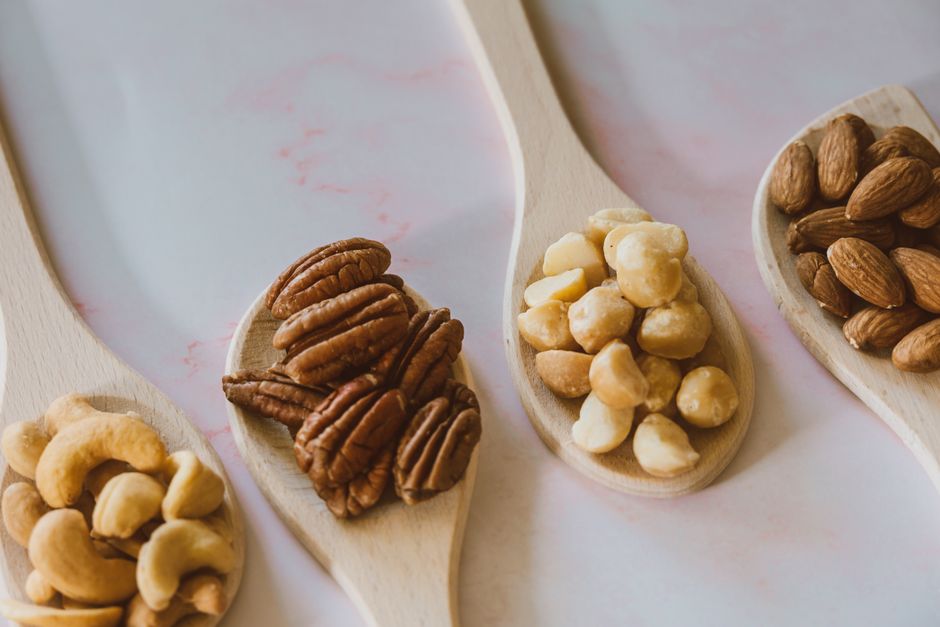
Nuts are not universally bad for IBS. Whether they cause symptoms depends on the type of nut, how much you eat, and which subtype of IBS you have. Some nuts are high in fermentable carbohydrates that can trigger bloating and cramping, while others are lower in those compounds and better tolerated.
Are Nuts Bad For IBS Which Ones To Avoid?
There is no single answer that applies to everyone with IBS. The condition affects people differently, and food triggers vary from person to person.
That said, certain nuts are more likely to cause problems because of specific compounds they contain. The main culprits are fermentable oligosaccharides, disaccharides, monosaccharides, and polyols — collectively known as FODMAPs. These are short-chain carbohydrates that draw water into the gut and ferment when bacteria break them down. For people with IBS, this fermentation can produce gas, bloating, and pain.
Nuts that tend to be higher in FODMAPs include:
- Cashews — notably high in fructans and galacto-oligosaccharides (GOS)
- Pistachios — contain fructans and GOS at levels that commonly trigger symptoms
- Almonds — moderate to high in GOS; portions matter significantly
- Hazelnuts — contain fructans; smaller amounts are often better tolerated
Nuts that are generally lower in FODMAPs and better tolerated include:
- Walnuts — low in fermentable carbohydrates
- Pecans — also low
- Macadamia nuts — low in FODMAPs
- Peanuts — technically legumes, but low in FODMAPs and usually well tolerated
- Brazil nuts — low in FODMAPs
Portion size matters as much as the type of nut. A small handful of almonds may cause no issues, while a larger serving could. This is not about willpower or discipline — it is about how much fermentable substrate reaches the colon at one time.
Why Do Nuts Trigger IBS Symptoms?
The mechanism is well understood. FODMAPs are poorly absorbed in the small intestine. When they reach the colon, gut bacteria ferment them rapidly. This produces gas. In people without IBS, that gas moves through without much notice. In people with IBS, the gut is more sensitive to normal amounts of gas and distension. The result is pain, bloating, and changes in bowel habits.
Nuts also contain fat and fiber. Both affect gut motility. Fat can slow stomach emptying and alter the gastrocolic reflex — the signal that triggers bowel movements after eating. Fiber adds bulk and can be either helpful or harmful depending on the type and the person.
Some nuts are also high in resistant starch, which ferments in the colon similarly to FODMAPs. This is not inherently bad — resistant starch feeds beneficial bacteria — but in IBS it can worsen symptoms during a flare.
There is also the matter of portion size and eating speed. Nuts are calorie-dense and easy to overeat. A large serving delivers a larger FODMAP load than a small one. Chewing thoroughly and eating slowly can make a difference for some people, though this is anecdotal rather than proven in trials.
Which Nuts Are Safest For IBS?
The safest nuts for IBS are those lowest in FODMAPs. Based on current understanding of FODMAP content, these include walnuts, pecans, macadamia nuts, Brazil nuts, and peanuts.
These nuts are low in the fermentable carbohydrates that most commonly trigger symptoms. They still contain fat and fiber, so portion control remains relevant. But for most people with IBS, they are less likely to cause problems than cashews or pistachios.
Almonds occupy a middle ground. Small servings — around ten nuts — are often listed as low FODMAP. Larger servings cross into moderate or high FODMAP territory. If you tolerate almonds well in small amounts, there is no reason to avoid them entirely.
Hazelnuts are similar. A small serving may be fine; a larger one may not be.
It is worth noting that FODMAP content can vary by variety, growing conditions, and processing. The values used in most guides are averages. Your individual response may differ.





How Many Nuts Can You Eat On A Low FODMAP Diet?
Portion guidance varies by nut type. For low FODMAP nuts like walnuts and pecans, servings of around 10 to 15 nuts are generally considered low FODMAP. For almonds, the low FODMAP serving is smaller — often around 10 nuts.
These are general guidelines from FODMAP research, not universal rules. Your tolerance may be higher or lower.
The low FODMAP diet is not meant to be followed forever. It is a short-term elimination and reintroduction protocol, typically done with a dietitian. The goal is to identify your specific triggers, not to avoid all FODMAPs permanently. Long-term restriction can reduce beneficial gut bacteria and narrow your diet unnecessarily.
If you are considering a low FODMAP diet, working with a registered dietitian who specializes in gastrointestinal conditions is strongly recommended. Self-directed elimination diets often miss triggers or eliminate foods unnecessarily.
Does Nut Butter Cause The Same Problems?
Nut butter can be easier to tolerate than whole nuts for some people. The grinding process breaks down cell walls, which may improve digestion and reduce fermentation. Smooth nut butters are often better tolerated than chunky ones.
However, nut butter made from high FODMAP nuts — cashew butter, for example — can still trigger symptoms. The FODMAPs are still present; they are just in a different form.
Watch for added ingredients. Many commercial nut butters contain added sugars, honey, or high FODMAP sweeteners. These can cause problems independent of the nuts themselves. A plain nut butter with one or two ingredients is usually the better choice.
Portion size still matters. Two tablespoons of almond butter delivers a similar FODMAP load to a small handful of almonds.
What About Peanuts And Other Legumes?
Peanuts are technically legumes, not tree nuts. They are low in FODMAPs and generally well tolerated by people with IBS. Peanut butter is similarly low in FODMAPs when it does not contain added high FODMAP ingredients.
Other legumes — beans, lentils, chickpeas — are a different story. They are high in GOS and fructans and are common IBS triggers. This is why some people assume peanuts will cause problems too. They usually do not, because peanuts have a different carbohydrate profile.
If you react to peanuts, it is more likely due to portion size, added ingredients, or a separate issue such as a true allergy. Peanut allergy is distinct from IBS and requires medical evaluation.
Do You Need To Avoid All Nuts?
No. Avoiding all nuts is not necessary for most people with IBS and may do more harm than good. Nuts are nutrient-dense and provide healthy fats, protein, fiber, vitamins, and minerals. Eliminating them entirely narrows your diet and may reduce intake of beneficial nutrients.
A better approach is to identify which nuts and which portions work for you. Keep a food and symptom diary. Try one type of nut at a time in a small portion. Wait a few days. Note what happens. This is not a perfect science — IBS symptoms fluctuate for many reasons — but patterns often emerge over time.
If symptoms are severe or you are losing weight, avoiding foods unnecessarily, or struggling to identify triggers, speak with a doctor or dietitian. IBS is manageable, but it often requires personalized guidance rather than a one-size-fits-all list.
Frequently Asked Questions
Are cashews bad for IBS?
Cashews are high in FODMAPs, specifically fructans and GOS, and are among the nuts most likely to trigger IBS symptoms. Many people with IBS find they need to avoid cashews or limit them strictly.
Which nuts are lowest in FODMAPs?
Walnuts, pecans, macadamia nuts, Brazil nuts, and peanuts are generally low in FODMAPs. These are usually the safest choices for people with IBS, though portion size still matters.
Can I eat almonds on a low FODMAP diet?
Small servings of almonds — around ten nuts — are often considered low FODMAP. Larger servings contain enough GOS to potentially trigger symptoms in sensitive individuals.
Is peanut butter OK for IBS?
Plain peanut butter is low in FODMAPs and usually well tolerated. Check the label for added sweeteners or high FODMAP ingredients, which can cause problems regardless of the peanuts.
