
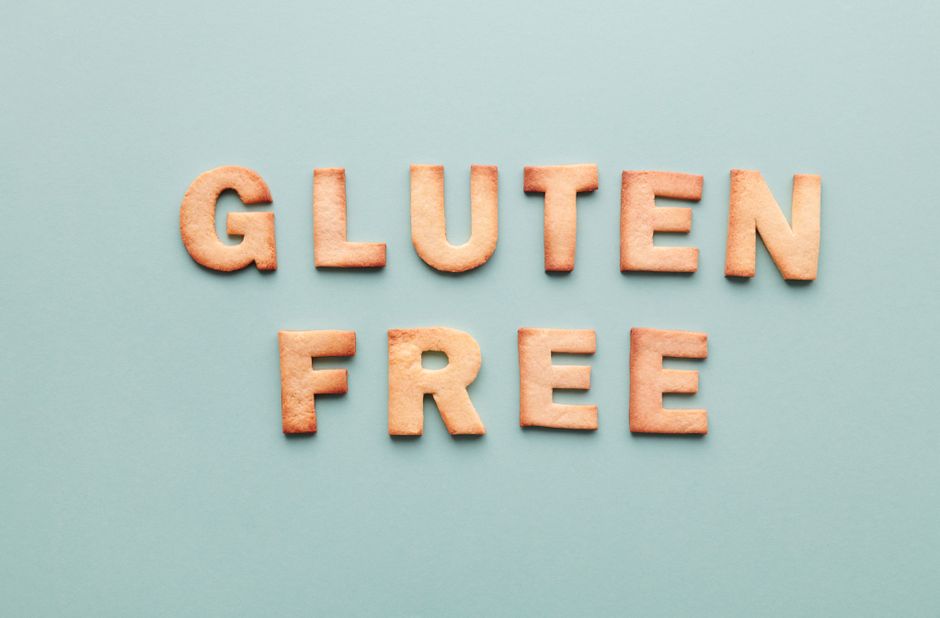
Marshmallows are usually gluten free, but not always. The classic marshmallow is made from sugar, water, and gelatin, none of which contains gluten. The catch is that some brands add wheat-derived ingredients, and cross-contamination during manufacturing is possible. So the answer depends on the specific bag in front of you.
For most people with celiac disease or gluten sensitivity, mainstream marshmallows are safe. But “usually safe” is not the same as “always safe,” and reading the label still matters.
What Are Marshmallows Actually Made Of?
Traditional marshmallows contain four basic components: sugar, water, gelatin, and air. That is essentially it.
Gelatin is the key structural ingredient. It is a protein derived from animal collagen, typically from pork skin or beef bones. Gelatin contains no gluten because gluten is a plant protein found in wheat, barley, and rye. There is no botanical overlap between collagen and gluten.
The sugar component is usually corn syrup, sucrose, or a combination. Corn is naturally gluten free. So is cane sugar. Neither poses a gluten risk on its own.
Air is whipped into the mixture to give marshmallows their spongy texture. Water dissolves the sugar. That is the whole recipe at its most basic.
Problems arise when manufacturers add ingredients beyond these four. Some use modified food starch, which can come from wheat. Some use flavorings or coatings that contain gluten-derived components. Others produce marshmallows on shared equipment also used for wheat-containing products.
Are Marshmallows Gluten Free by Default?
Most marshmallows sold in the United States are gluten free by formulation. The standard recipe does not include wheat, barley, or rye.
That said, “gluten free by formulation” and “certified gluten free” are different things. A product can contain no gluten ingredients and still carry trace amounts from shared manufacturing lines. For someone with celiac disease, even small amounts can trigger an immune response.
The FDA allows a “gluten free” label claim only when a product contains less than 20 parts per million of gluten. That threshold is the established regulatory standard in the US. Products labeled gluten free must meet it.
Products without that label may still be gluten free. They simply have not been verified to that standard.
Which Marshmallows Contain Gluten?
Some marshmallow products do contain gluten. The most common reasons are added wheat starch, wheat-derived modified food starch, or a coating that includes wheat flour.
Specialty or flavored marshmallows are more likely to contain gluten than plain ones. Toasted coconut marshmallows, graham-cracker-coated marshmallows, and marshmallow products with cookie pieces almost always contain wheat. Those are not standard marshmallows — they are marshmallow-based confections.
Marshmallow fluff and marshmallow creme are separate products. Most brands are gluten free, but formulations vary. Check the label.
Imported marshmallows may follow different labeling rules. A product sold in another country may not meet US gluten-free standards even if it looks identical.




How Do You Check if a Marshmallow Is Gluten Free?
Start with the ingredient list. Look for wheat, barley, rye, malt, triticale, and any starch or flour without a source listed.
Then look for a gluten-free label. In the US, a product labeled gluten free must meet the FDA standard of less than 20 parts per million. That label is the most reliable signal short of calling the manufacturer.
If neither the ingredient list nor the label gives a clear answer, contact the company. Most major manufacturers provide gluten-free information on their websites or through customer service.
Here is a quick way to think about it:
- Plain marshmallows with a gluten-free label: Safe for most people avoiding gluten.
- Plain marshmallows without a gluten-free label: Likely gluten free, but not verified. Check ingredients.
- Flavored, coated, or specialty marshmallows: Higher risk. Read carefully.
- Marshmallows with cookie or graham pieces: Almost certainly contain gluten.
Does Cross-Contamination Matter for Marshmallows?
Cross-contamination is a real concern for people with celiac disease. It happens when gluten-free foods are made on equipment also used for wheat-containing products.
For most marshmallow production, the risk is lower than for baked goods. Marshmallow manufacturing does not typically involve wheat flour in the same facility. But shared lines do exist, especially in facilities that make multiple types of confections.
If you have celiac disease, a gluten-free label is the safest choice. That label accounts for cross-contamination, not just ingredients.
If you have non-celiac gluten sensitivity, the threshold may be different. Some people react to trace amounts; others do not. The evidence on sensitivity thresholds is not well established, so individual experience varies.
Are Marshmallows Safe for a Gluten-Free Diet?
For most people following a gluten-free diet, plain marshmallows fit. They contain no gluten ingredients and are widely available in gluten-free form.
But marshmallows are almost entirely sugar. They offer no meaningful nutritional value beyond calories. A standard marshmallow is roughly 25 calories, almost all from sugar. That is not a reason to avoid them, but it is a reason not to treat them as a health food.
People with celiac disease should choose labeled gluten-free marshmallows when possible. People with wheat allergy should also check labels carefully, since some marshmallows contain wheat-derived ingredients.
For everyone else, the occasional marshmallow is unlikely to cause problems unless a specific ingredient or sensitivity applies.
What About Marshmallows in Hot Chocolate or Rice Krispies Treats?
The marshmallow itself is usually not the gluten source in these products. The other ingredients are.
Hot chocolate mixes can contain gluten, though most do not. Rice Krispies Treats contain malt flavoring from barley, which contains gluten. The marshmallow in a Rice Krispies Treat is not the problem — the cereal is.
If you are making these at home, use gluten-free cereal and gluten-free marshmallows. If you are buying them prepared, check the full label, not just the marshmallow component.
This is a common point of confusion. People often blame the marshmallow when the gluten comes from somewhere else in the recipe.
Do All Brands Label Their Marshmallows Gluten Free?
No. Labeling is voluntary unless a company chooses to make a gluten-free claim. Many marshmallow brands do not carry a gluten-free label even when their product contains no gluten ingredients.
Some major brands do label clearly. Others provide gluten-free status on their website. A few do not address it at all.
If a brand does not label or state gluten-free status, you have two options: contact the company directly, or choose a brand that does label. For someone with celiac disease, the second option is simpler and safer.
Are There Gluten-Free Marshmallow Alternatives?
Yes. Several brands make marshmallows specifically labeled gluten free. Some are also vegan, using plant-based gelling agents instead of gelatin.
Homemade marshmallows are another option. The basic recipe uses sugar, water, gelatin, and sometimes corn syrup. If you control the ingredients, you control the gluten risk.
Marshmallow fluff and creme can be substitutes in some recipes, but check labels. Some brands are gluten free; others are not.
For people who avoid gelatin for dietary or ethical reasons, vegan marshmallows use ingredients like carrageenan or agar. These are naturally gluten free, but the final product still needs a gluten-free label to rule out cross-contamination.
Frequently Asked Questions
Are marshmallows gluten free?
Most marshmallows are gluten free because they are made from sugar, water, and gelatin, none of which contains gluten. However, some brands add wheat-derived ingredients or produce on shared equipment, so check the label.
Are all marshmallows safe for celiac disease?
Not all. Only marshmallows labeled gluten free are verified to contain less than 20 parts per million of gluten, which is the FDA standard. For celiac disease, choose labeled products to account for cross-contamination.
Do marshmallows contain wheat?
Plain marshmallows do not contain wheat. Some flavored or coated marshmallows may contain wheat starch, wheat flour, or cookie pieces that include wheat.
Is marshmallow fluff gluten free?
Most marshmallow fluff and creme brands are gluten free, but formulations vary. Check the label for a gluten-free claim or contact the manufacturer.
