
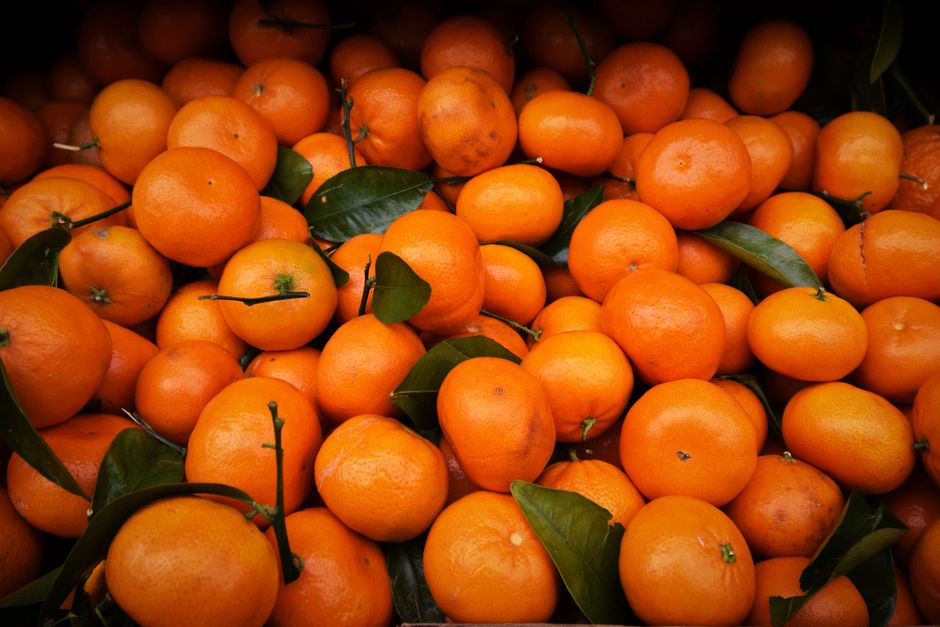
If you have irritable bowel syndrome, you have probably been handed a long list of foods to avoid. Citrus fruits often land on that list without much explanation. The short answer: mandarin oranges are considered low FODMAP in normal serving sizes, and most people with IBS tolerate them well. The catch is portion size and individual sensitivity — two things that matter more with citrus than many people realize.
What Makes a Food Low FODMAP?
FODMAP stands for fermentable oligosaccharides, disaccharides, monosaccharides, and polyols. These are short-chain carbohydrates that are poorly absorbed in the small intestine. When they reach the colon, gut bacteria ferment them, which can draw in water and produce gas.
In people with IBS, that process often triggers bloating, cramping, diarrhea, or constipation. In people without IBS, the same fermentation happens but usually without noticeable symptoms.
The low FODMAP approach was developed by researchers at Monash University in Australia. Their testing method measures specific FODMAP compounds in individual foods and establishes threshold serving sizes. This is why the system uses gram-level portions rather than simple yes-or-no food lists.
A food can be low FODMAP at one serving size and moderate or high at a larger one. This is the single most misunderstood part of the diet.
Are Mandarin Oranges Low FODMAP?
Yes. Monash University’s FODMAP database lists mandarin oranges as low FODMAP at a standard serving of roughly two small fruits, or about 150 grams. At that amount, the fructose content stays below the threshold that typically triggers symptoms.
Eat a much larger portion — say four or five mandarins in one sitting — and the fructose load climbs into moderate territory. Fructose is a monosaccharide and one of the “M” compounds in FODMAP. When fructose is present in excess of glucose, absorption becomes less efficient for some people.
This is why the answer is not simply “mandarins are safe.” It is “mandarins are low FODMAP at a normal serving, and the serving size is what determines tolerance.”
One clarification worth knowing: mandarins, clementines, satsumas, and tangerines are closely related citrus fruits often sold under overlapping names. Their FODMAP profiles are similar, but they are not identical foods. If you react to one, that does not automatically mean you will react to all of them — though it is reasonable to test carefully.
Are Mandarin Oranges Safe for IBS?
For most people with IBS, mandarin oranges are safe and well tolerated in normal amounts. They are not a common trigger food the way garlic, onion, wheat, or lactose often are.
That said, “safe for IBS” is not the same as “safe for every person with IBS.” IBS is a symptom-based diagnosis, not a single condition. Two people with the same diagnosis can have completely different trigger foods.
Some people with IBS also have acid sensitivity, reflux, or a sensitive stomach lining. Citrus fruit is acidic. In those cases, the issue is not FODMAP content at all — it is the acid. That is a separate mechanism and a separate conversation with your doctor.
There is also a condition called fructose malabsorption, which is more common in people with IBS than in the general population. Some studies suggest a meaningful share of people with IBS absorb fructose less efficiently. For those individuals, even low FODMAP amounts of fruit can cause symptoms. If mandarins consistently bother you despite a small serving, fructose absorption may be worth discussing with a clinician.
How Many Mandarin Oranges Can You Eat on a Low FODMAP Diet?
The standard low FODMAP serving is about two small mandarins, roughly 150 grams. Staying at or below that amount keeps the fructose load in the low range for most people following the diet.
Going above that does not mean you will definitely have symptoms. It means you have moved past the tested low FODMAP threshold. Individual tolerance varies widely.
A few practical points:
- Fresh mandarins and canned mandarins in natural juice have different FODMAP profiles — juice concentrates can raise fructose content.
- Mandarin juice is not the same as the whole fruit. Juicing removes fiber and lets you consume more sugar faster.
- Dried mandarin or candied peel often contains added sugars or polyols that change the FODMAP picture.
- Eating mandarins alongside a glucose-containing food can improve fructose absorption for some people, though this is not a formal recommendation.
How Do Mandarins Compare to Other Fruits?
Fruit is one of the most confusing categories on a low FODMAP diet because portion sizes vary so much between types. The table below reflects general low FODMAP thresholds from Monash University’s testing.
| Fruit | Low FODMAP Serving (approximate) | Main FODMAP Concern |
|---|---|---|
| Mandarin orange | 2 small fruits (~150 g) | Fructose at larger portions |
| Orange (navel) | 1 medium fruit (~130 g) | Fructose at larger portions |
| Strawberry | ~150 g | Low concern |
| Blueberry | ~40 g | Fructose |
| Apple | None — high FODMAP | Excess fructose and sorbitol |
| Pear | None — high FODMAP | Excess fructose and sorbitol |
| Banana (firm, unripe) | 1 medium | Low concern when unripe |
Notice that apple and pear are the outliers. Both contain sorbitol, a polyol that is poorly absorbed and commonly triggers symptoms. Mandarins do not contain sorbitol in meaningful amounts.
What About Nutrition — Do Mandarins Offer Anything Useful?
Mandarin oranges are a solid source of vitamin C and provide some fiber, potassium, and folate. According to USDA nutritional data, one medium mandarin supplies roughly 25 to 30 percent of the daily vitamin C requirement for adults.
That matters if you are restricting fruit on a low FODMAP diet. Cutting fruit too aggressively can leave gaps in vitamin C and fiber intake. Mandarins are one of the easier fruits to keep in rotation because the serving size is generous relative to other low FODMAP options.
The fiber in whole mandarins is mostly soluble and relatively gentle. This is different from the fiber in wheat or legumes, which are common IBS triggers. For people who tolerate fruit generally, mandarins are usually a reasonable choice.
Should You Try the Low FODMAP Diet on Your Own?
No. The low FODMAP diet is a three-phase clinical protocol, not a permanent eating plan. Phase one is strict restriction, phase two is systematic reintroduction, and phase three is personalization.
Staying in phase one long term can reduce beneficial gut bacteria and narrow your diet unnecessarily. Research consistently shows that the reintroduction phase is where most of the value lies — it tells you which specific FODMAPs you actually react to.
Working with a registered dietitian who has training in IBS is the standard recommendation. Self-directed low FODMAP diets tend to be overly restrictive and often miss the reintroduction step entirely.
If you suspect mandarins are a problem for you, the cleanest approach is to test them in isolation. Eat a standard serving on a day when you are otherwise eating low FODMAP foods. Track symptoms. Then try a larger portion on a separate day. That gives you real information rather than guesswork.
Frequently Asked Questions
Are mandarin oranges low FODMAP?
Yes, mandarin oranges are low FODMAP at a serving of about two small fruits, or roughly 150 grams. Larger portions increase the fructose load and may move into moderate FODMAP territory.
Can mandarin oranges trigger IBS symptoms?
Most people with IBS tolerate mandarins well at normal serving sizes. Some people with fructose malabsorption or acid sensitivity may react, so individual testing is the only reliable way to know.
How many mandarins can I eat on a low FODMAP diet?
Two small mandarins, about 150 grams, is the standard low FODMAP serving. Eating more does not guarantee symptoms, but it exceeds the tested low FODMAP threshold.
Is mandarin juice low FODMAP?
Mandarin juice is not equivalent to whole fruit and is generally not recommended on a low FODMAP diet. Juicing removes fiber and concentrates fructose, which can push the FODMAP content higher.
