
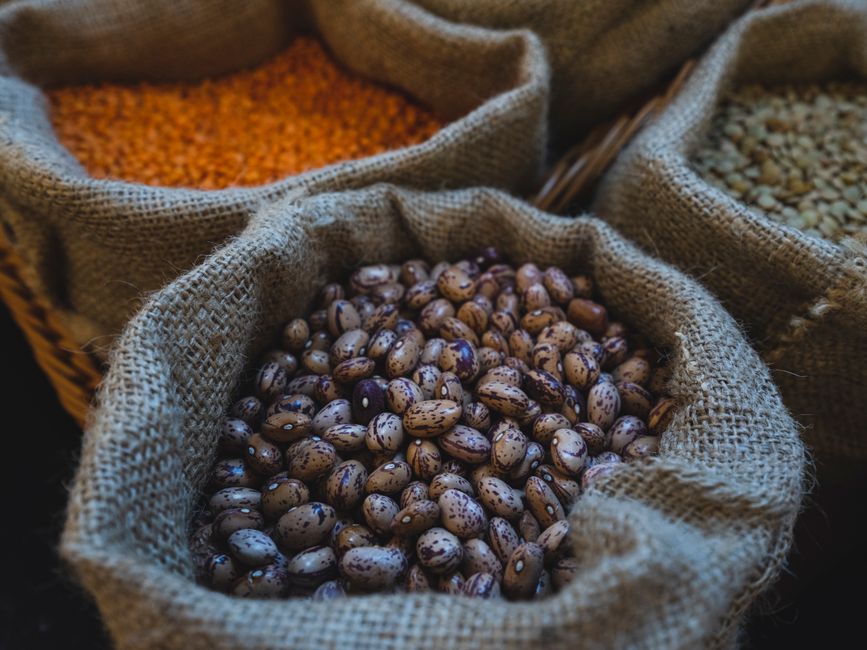
Lentils are small, lens-shaped legumes that have been part of human diets for thousands of years. They are genuinely healthy: they provide substantial amounts of plant protein and fiber, contain virtually no fat, and have a low glycemic index. Research consistently links regular legume intake, lentils included, to better blood sugar control and improved cholesterol levels.
They are also cheap, shelf-stable, and cook in about 20 minutes. Few foods deliver as much nutrition per dollar. Below is an honest look at what lentils do well, where the evidence is strong, and where it is not.
Are Lentil Beans Healthy?
Yes. Lentils are one of the most nutrient-dense foods you can put on a plate. A cooked cup delivers roughly 18 grams of protein and about 15 to 16 grams of fiber for around 230 calories, with almost no fat.
That fiber number matters. Most adults in the US get far less fiber than recommended. Federal dietary guidelines call for about 25 to 30 grams of fiber a day for adults, depending on age and sex. One cup of lentils covers a large share of that target.
Lentils also supply folate, iron, potassium, and magnesium. They contain polyphenols, plant compounds with antioxidant activity. That said, the health case for lentils rests less on individual nutrients and more on the overall pattern: people who eat legumes regularly tend to have better cardiovascular and metabolic outcomes in large observational studies.
One clarification worth making. Lentils are legumes, not beans in the strict botanical sense, though the words are used interchangeably in cooking. Nutritionally, the difference is trivial. Both belong to the same family of foods.
What Nutrients Do Lentils Provide?
The table below shows approximate values for one cup of cooked lentils, based on USDA nutrient data. Exact numbers vary slightly by variety and cooking method.
| Nutrient | Approximate Amount (1 cup cooked) |
|---|---|
| Calories | 230 |
| Protein | 18 g |
| Fiber | 15–16 g |
| Fat | Under 1 g |
| Carbohydrate | 40 g |
| Folate | About 45% of the daily value |
| Iron | About 6–7 mg |
| Potassium | About 730 mg |
Two things stand out. First, the protein. Lentils are a serious plant protein source, which matters for vegetarians and anyone trying to eat less meat.
Second, the iron. Lentils contain non-heme iron, the form found in plants. It is absorbed less efficiently than the iron in meat. Eating lentils with a source of vitamin C, such as tomatoes, peppers, or citrus, improves absorption. This is well established in nutrition science, not a fringe tip.
Lentils are naturally low in sodium and contain no cholesterol. They also have a low glycemic index, meaning they raise blood sugar slowly compared with refined grains and potatoes.
How Do Lentils Affect Blood Sugar and Heart Health?
The strongest evidence for lentils concerns blood sugar and cholesterol. Legumes have been studied more than most foods in this area, and the findings are fairly consistent.
Lentils digest slowly because of their fiber and protein content. This produces a gentler rise in blood sugar after a meal than many carbohydrate foods. Some studies in people with type 2 diabetes suggest that replacing refined carbohydrates with legumes improves markers of long-term blood sugar control, though results vary across trials and the effect is modest rather than dramatic.
On cholesterol, the picture is similar. Legume-rich diets have been linked in multiple studies to small reductions in LDL cholesterol. Soluble fiber, which lentils contain, is the likely mechanism. The effect is real but should be kept in perspective: it supports a heart-healthy diet rather than replacing medical treatment.
For blood pressure, lentils contribute potassium, a mineral associated with blood pressure regulation. Whether lentils specifically lower blood pressure in trials is less clear than the general potassium story. The evidence here is suggestive rather than definitive.
What lentils do not do is cancel out a poor diet. A lentil side dish alongside processed food does not make the meal healthy. The benefit shows up when lentils replace less healthy choices, such as refined grains or processed meats.
Are Lentils Good for Weight Management?
Lentils can help with weight management, mainly through satiety. The combination of fiber and protein makes them filling relative to their calorie content. People tend to eat less at a meal when lentils are part of it.
Some controlled studies have found that legume-rich meals increase feelings of fullness and may reduce calorie intake later in the day. The effect is moderate, not magical. No single food drives weight loss on its own.
Lentils fit well into weight-loss eating patterns because they are low in fat, high in fiber, and inexpensive. They also work in vegetarian and plant-forward diets where protein can otherwise be a challenge.
One practical note: lentils are not a low-carbohydrate food. A cup contains around 40 grams of carbohydrate. For most people that is fine. For someone following a strict ketogenic diet, lentils may not fit. This is a matter of dietary pattern, not a flaw in the food.
Do Lentils Have Any Downsides?
Lentils are safe for most people, but a few honest caveats apply. The most common issue is digestive: lentils contain fermentable carbohydrates and can cause gas and bloating, especially when you first start eating them.
This usually eases as your gut adjusts. Starting with smaller portions and increasing gradually helps. Rinsing canned lentils well also reduces some of the compounds involved.
Lentils contain lectins and phytates, naturally occurring plant compounds. Some viral content claims these are harmful and that lentils must be avoided or specially prepared. The evidence does not support this. Cooking destroys most lectins, and phytates have both drawbacks and benefits, including antioxidant activity. For people eating a normal varied diet, these compounds are not a health concern.
Lentils also contain FODMAPs, fermentable carbohydrates that can trigger symptoms in people with irritable bowel syndrome. If you have IBS, portion size and type matter. Red lentils tend to be somewhat easier for some people than darker varieties, though individual tolerance varies.
Finally, lentils contain oxalates. People with a history of calcium oxalate kidney stones may be advised to moderate high-oxalate foods. This is a conversation to have with a clinician, not a blanket rule for everyone.
How Should You Prepare and Eat Lentils?
Lentils are easy to cook and forgiving. Unlike dried beans, most varieties do not require soaking. Rinse them, simmer in water or broth until tender, and season.
- Red lentils cook fastest, in about 15 minutes, and break down into a soft texture good for soups and curries.
- Brown and green lentils hold their shape and take roughly 20 to 30 minutes. They work well in salads and grain bowls.
- French green lentils (lentilles du Puy) hold shape firmly and are good for dishes where texture matters.
- Canned lentils are a practical shortcut. Rinse them to reduce sodium.
Lentils pair well with vitamin C sources to boost iron absorption. They also combine with grains to form a complete protein profile, though the old idea that plant proteins must be carefully paired at every meal is outdated. Eating a variety of plant foods across the day covers your amino acid needs.
Add salt toward the end of cooking for the best texture, though the old claim that salt early ruins lentils is overstated. A pinch of acid, such as lemon or vinegar, brightens the flavor noticeably.
How Do Lentils Compare to Other Legumes?
Lentils stack up well against beans and chickpeas. They cook faster, need no soaking, and are comparable in protein and fiber. Black beans and chickpeas offer slightly different nutrient profiles, but the differences are small.
Where lentils stand apart is convenience and cost. They are among the cheapest sources of protein and fiber available. For anyone trying to eat better on a budget, that matters.
The broader point is that the healthiest choice is usually the legume you will actually eat regularly. Lentils, beans, and chickpeas all belong in a healthy diet. Rotating among them gives you variety without sacrificing nutrition.
Frequently Asked Questions
Are lentils healthier than beans?
They are broadly comparable in protein and fiber, so neither is clearly healthier. Lentils cook faster and need no soaking, which makes them more convenient for many people.
Can you eat lentils every day?
Yes, eating lentils daily is fine for most people and fits well within a balanced diet. Start with smaller portions if you are not used to high-fiber foods, and drink enough water.
Are lentils good for diabetics?
Lentils have a low glycemic index and are a good carbohydrate choice for many people with diabetes. Some studies suggest legumes help with blood sugar control, but portions still matter and individual response varies.
Do lentils need to be soaked before cooking?
Most lentils do not require soaking and cook in about 15 to 30 minutes depending on the variety. Soaking can shorten cooking time slightly but is not necessary.
