
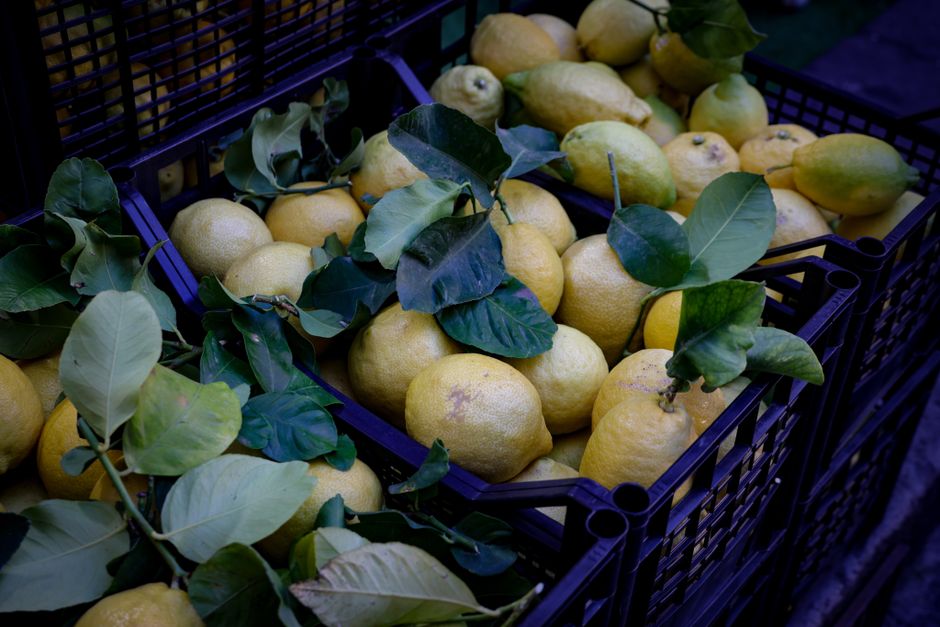
Are lemons a natural fruit? Yes — lemons are the fruit of a real tree, Citrus limon, and they grow on it the same way apples grow on apple trees. What trips people up is a different question hiding underneath: lemons are natural, but they are not wild. The lemon is a human-made hybrid, and that distinction is where most of the confusion starts.
Where Do Lemons Actually Come From?
Lemons do not exist in the wild. No forest has ever grown a lemon tree on its own.
Genetic research points to the lemon as a hybrid. It appears to have arisen from a cross between two other citrus species: the citron and the bitter orange. That crossing likely happened somewhere in South Asia or the Middle East, and people then carried the tree with them along trade routes. By the time lemons reached the Mediterranean, they had been cultivated for centuries.
This is the part that surprises people. A hybrid is not the same as a manufactured product. Hybridization happens in nature all the time when two related plants cross-pollinate. Farmers and growers then select the offspring they like best and replant those. Over many generations, that selection shapes the fruit.
So the lemon is a natural hybrid that humans selected and spread. It is not a lab invention. It is also not a wild species you could stumble across on a hike.
Are Lemons A Natural Fruit Or A Man-Made One?
Lemons are a natural fruit in the sense that matters most: they are grown from a real plant, they contain the same kinds of nutrients and plant compounds as other citrus, and nothing about them is synthetic.
The confusion usually comes from mixing up three different ideas.
- Natural means it comes from a living plant, not a factory.
- Wild means it grows without human help. Lemons are not wild.
- Hybrid means it came from two parent species crossing. Lemons are hybrids.
A fruit can be natural and hybrid at the same time. So can a vegetable. Broccoli is a human-bred version of a wild cabbage plant. Carrots were bred from a wild root that looked nothing like what we eat today. None of that makes them artificial.
The lemon sits in the same category. It is a cultivated plant. Humans shaped it. Nature still made it.
Is The Lemon A Fruit Or A Vegetable?
A lemon is a fruit. Specifically, it is a type of fruit botanists call a hesperidium — a modified berry with a thick rind and juicy segments inside.
Botanically, a fruit is the part of a flowering plant that develops from the flower’s ovary and contains the seeds. Lemons fit that definition exactly. They form from the lemon blossom and hold seeds inside.
The everyday kitchen definition is looser. Many people sort foods into “fruit” if they are sweet and “vegetable” if they are savory. By that rule, a lemon feels more like a vegetable or a seasoning than a fruit.
Botany does not use sweetness as the test. A tomato is a fruit. A cucumber is a fruit. A lemon is a fruit. Sweetness is a cooking distinction, not a biological one.
Why Are Lemons So Sour?
Lemon sourness comes from citric acid, and lemons carry more of it than most fruits people eat.
Citric acid is a natural compound the plant produces. It is one of the reasons citrus tastes sharp and bright. The acid level in a lemon is high enough that the fruit is unpleasant to eat plain for most people.
That acidity does real work. It is why lemon juice keeps cut apples from browning, why it can brighten the flavor of a dish, and why it has long been used in cooking and preserving. Acid also slows the growth of some microorganisms, which is part of why lemon juice has a history in food handling.
The acid is not a sign that the fruit is processed or altered. It is the plant’s own chemistry.
What Nutrients Do Lemons Contain?
Lemons are a source of vitamin C, and the peel holds more of it than the juice. That detail matters because most people use only the juice and throw the peel away.
According to USDA nutritional data, one raw lemon without the peel provides roughly 30 to 50 milligrams of vitamin C, depending on the size of the fruit. The exact amount varies with variety, growing conditions, and how ripe the lemon is. Vitamin C is a nutrient the body needs and cannot make on its own, so it has to come from food.
Lemons also contain small amounts of other nutrients and plant compounds, including flavonoids. These are the substances behind much of the current interest in lemons and health. It is worth being careful here: the presence of a compound in a fruit is not the same as a proven health benefit from eating that fruit.
Does Drinking Lemon Water Have Proven Health Benefits?
The evidence for lemon water as a health treatment is thin. Drinking water with lemon juice in it is a pleasant way to stay hydrated, and hydration itself matters. Beyond that, the specific claims are not well supported.
Claims that lemon water flushes toxins, changes your body’s pH, or burns fat do not hold up. The human body regulates its own blood pH within a narrow range, and no food or drink changes that in a meaningful way. There is no clinical evidence that lemon water speeds up metabolism or melts fat.
Vitamin C does support normal immune function. That is an established role of the nutrient, not a claim that lemons prevent colds or fight infection. Taking extra vitamin C after a cold starts has not been shown to shorten it in most people.
None of this makes lemon water a bad choice. It is fine. It is just not medicine. Treating it as a treatment for a health condition is where the claims outrun the evidence.
Can Lemons Cause Any Problems?
For most people, lemons are a normal food with no special risk. A few honest cautions are worth knowing.
The acid in lemon juice can wear down tooth enamel over time, especially if you sip lemon water all day or brush right after. Rinsing with plain water afterward and waiting before brushing reduces that effect. This is a real, well-documented concern with frequent acid exposure.
Lemon juice can irritate skin and, in some people, cause a reaction when skin that has been exposed to citrus is then exposed to sunlight. This is a known effect called phytophotodermatitis. It is uncommon but real.
Some people get heartburn or mouth irritation from acidic foods. If that happens, the fix is simple: use less. There is no clinical guideline that says everyone should avoid lemons, and no guideline that says everyone should seek them out.
Are Lemons A Natural Fruit Compared With Other Citrus?
Lemons are in good company. Most citrus fruits people eat are hybrids too, which is a fact many readers find genuinely clarifying.
Oranges, grapefruits, and mandarins are all the result of ancient crossings between a small number of original citrus species. The bitter orange and the citron are two of the parents in that family tree, and they are also the two that combined to produce the lemon.
So if someone argues that lemons are “not natural” because they are hybrids, the same argument would rule out oranges and grapefruit. That is not how botanists or nutritionists use the word. Hybrid origin and natural origin are not in conflict.
What makes a food “unnatural” in the way people usually mean is industrial processing — adding synthetic ingredients, stripping the food down, or building it in a lab. A lemon picked off a tree does not fit that description.
How Can You Tell A Real Lemon From A Processed Lemon Product?
The lemon itself is easy. A whole lemon in the produce aisle is a natural fruit. So is fresh-squeezed juice from that fruit.
Where things get murky is in products that use the word “lemon.” Bottled lemon juice, lemonade, lemon-flavored drinks, and lemon candies often contain added sugar, preservatives, natural and artificial flavorings, and colors. Some contain very little actual lemon. That does not make them unsafe, but it does make them different from the fruit.
A useful habit is to read the ingredient list rather than the front of the package. If the first ingredient is sugar or high-fructose corn syrup, you are looking at a sweetened drink, not a lemon.
Frozen or dried lemon peel is another option people ask about. These are still made from real lemons, though drying and processing can reduce some heat-sensitive nutrients. The fruit is the most straightforward choice when you want what a lemon actually is.
Frequently Asked Questions
Are lemons a natural fruit or man-made?
Lemons are natural in that they grow on a real plant and contain no synthetic ingredients. They are also a hybrid, produced long ago from a cross between the citron and the bitter orange, then cultivated by people.
Do lemons grow in the wild?
No, lemons do not grow in the wild on their own. They exist because humans planted and propagated them from a hybrid that arose from two other citrus species.
Is a lemon a fruit or a vegetable?
A lemon is a fruit, and botanists classify it as a type of modified berry called a hesperidium. It forms from the flower and contains seeds, which is what defines a fruit biologically.
Are lemons healthy to eat every day?
Lemons can be part of a normal diet, and they provide vitamin C along with small amounts of other nutrients. The main practical caution is that frequent exposure to lemon acid can wear down tooth enamel over time.
