
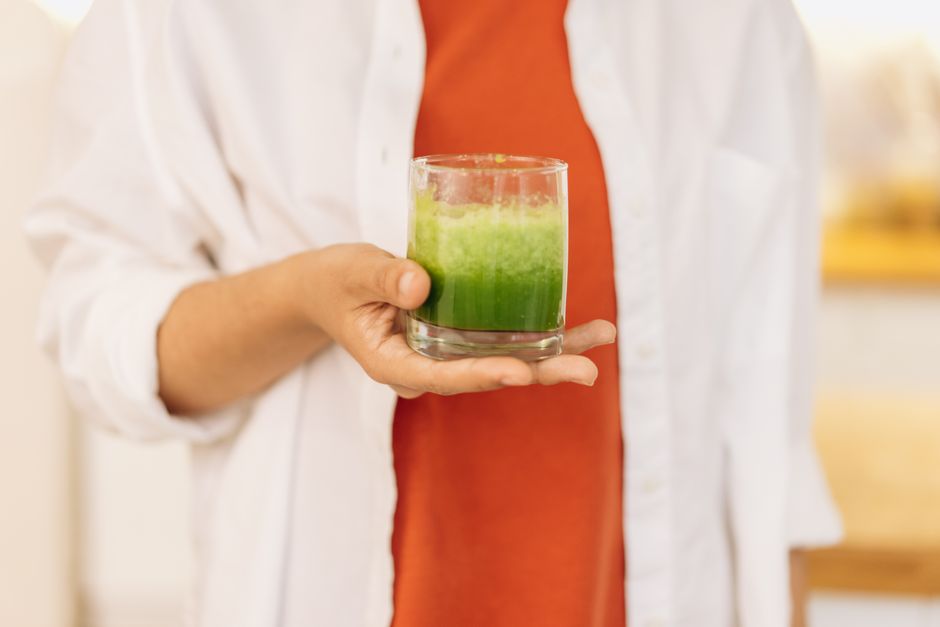
Juice cleanses are not good for you. There is no clinical evidence that drinking only fruit and vegetable juice removes toxins, resets your body, or produces lasting weight loss. Your liver and kidneys already filter waste from your blood around the clock, and a juice-only diet can leave you short on protein, fiber, and key nutrients while spiking your blood sugar.
The idea is appealing. You drink a few bottles of pressed greens and fruit for a few days, skip solid food, and expect to feel lighter and cleaner. What actually happens is a short-term drop in calories and water weight, followed by a return to baseline once you eat normally again.
Are Juice Cleanses Good For You?
No. Juice cleanses are not good for you in any meaningful health sense, and the evidence behind the claims they make is thin to absent.
The word “cleanse” is marketing, not medicine. It implies your body accumulates toxins that need flushing. In reality, your liver processes and neutralizes waste products, and your kidneys filter them into urine. This system runs continuously whether or not you drink celery juice. No published human study has shown that a juice cleanse improves this process or removes anything your body was not already clearing.
What the research does show is that very low-calorie liquid diets produce short-term weight loss that is mostly water and glycogen, not fat. Once you resume eating, that weight typically returns. A cleanse is not a treatment for any medical condition, and no major health organization recommends one.
What Happens to Your Body During a Juice Cleanse?
Your body reacts to a juice-only diet much like it reacts to any sudden drop in calories and protein. The changes are predictable and mostly short-lived.
When you cut solid food and calories sharply, you deplete glycogen, the stored form of carbohydrate in your muscles and liver. Each gram of glycogen holds water, so the scale drops quickly. That is water loss, not fat loss. It comes back within days of eating normally.
You also take in far less protein. Protein matters for maintaining muscle and for feeling full. A juice-only diet typically delivers very little protein, and some of the weight lost during a fast can come from muscle rather than fat.
Fiber is another casualty. Whole fruits and vegetables contain fiber that slows digestion and feeds gut bacteria. Juicing removes most of that fiber, leaving the sugar behind. The result is a drink that raises blood sugar faster than the whole food would.
Some people report headaches, fatigue, dizziness, or irritability in the first days. These are common effects of a sudden calorie cut and are not a sign that toxins are leaving your body.
Why the “Detox” Claim Does Not Hold Up
There is no scientific basis for the idea that juice cleanses remove toxins. Your body’s detoxification system does not need help from a beverage.
The liver breaks down and neutralizes substances through a series of chemical reactions, and the kidneys filter waste into urine. These organs work constantly. They do not slow down and wait for a cleanse to restart them.
Some juice ingredients, like certain vegetables and herbs, contain compounds the body processes like any other food. That is not the same as “flushing toxins.” The word toxin itself is vague in most cleanse marketing. It usually is not defined, which makes the claim impossible to test.
It is also worth knowing that some popular cleanse ingredients can interact with medications. Grapefruit juice, for example, affects how the body breaks down certain drugs, including some statins and blood pressure medicines. That is a real, documented effect, not a marketing claim. Anyone on prescription medication should check with a pharmacist before drinking large amounts of grapefruit or other concentrated juices.
Does Juicing Help You Lose Weight?
Juicing can lead to short-term weight loss because it cuts calories, not because juice has any special fat-burning property.
Any diet that sharply reduces calories will cause weight loss at first. The problem is what happens next. Liquid diets are hard to sustain, and the weight often comes back when normal eating resumes. Research on very low-calorie diets consistently shows this pattern of regain.
Juice also tends to be less satisfying than solid food. You can drink a large glass of apple juice in seconds and still feel hungry, because liquid calories trigger less of the fullness response that chewing and fiber provide. That makes it easy to overconsume calories from juice without noticing.
If weight loss is the goal, the evidence favors sustainable changes: eating more whole foods, including vegetables and fruit in their whole form, and managing portions. Those approaches have far more support than juice fasting.
How Much Sugar Is in Juice?
Juice can contain as much sugar as soda, sometimes more. That surprises many people who assume anything green or natural is low in sugar.
An 8-ounce glass of 100% orange juice typically contains about 21 grams of sugar. The same volume of cola contains roughly 26 grams. The numbers are close. Fruit juice has vitamins that soda lacks, but the sugar load is similar, and juice lacks the fiber that whole fruit provides.
Fiber in whole fruit slows the release of sugar into your blood. When you juice fruit, you remove that fiber and concentrate the sugar into a small volume. Drinking several juices a day can add up to a large amount of sugar without the fullness that comes from eating the whole fruit.
For people with diabetes or prediabetes, this matters. Juice can raise blood sugar quickly. The American Diabetes Association has long advised choosing whole fruit over juice for this reason. Anyone managing blood sugar should talk with their clinician before starting a juice regimen.
Are There Any Real Benefits to Juicing?
Juice does deliver vitamins and some minerals, and for people who struggle to eat vegetables, a blended or juiced drink can add nutrients to the diet. That is a modest, real benefit.
The key distinction is between using juice as a supplement to a balanced diet and using it as a replacement for food. A glass of vegetable juice alongside meals is different from living on juice for days.
Blending is generally better than juicing if the goal is nutrition. A blender keeps the fiber from fruits and vegetables, while a juicer extracts the liquid and discards the pulp. A smoothie made with whole ingredients retains more of what makes produce healthy.
Whole fruits and vegetables remain the best choice. They provide fiber, a range of nutrients, and the fullness that liquid cannot match. Juice is not harmful in moderation for most people, but it is not a health shortcut.
Who Should Avoid Juice Cleanses?
Some groups should skip juice cleanses entirely because the risks are higher for them.
- People with diabetes face rapid blood sugar swings from the concentrated sugar in juice.
- Pregnant and breastfeeding women have higher nutrient needs, and a juice-only diet does not meet them. No clinical guidelines support juice cleansing during pregnancy or breastfeeding.
- Children and teenagers are still growing and need protein, calories, and nutrients that a juice diet does not provide.
- People with kidney disease may need to limit certain minerals like potassium, which some juices contain in high amounts.
- Anyone taking prescription medication should check for interactions, especially with grapefruit and certain concentrated juices.
- People with a history of eating disorders may find restrictive liquid diets triggering.
For these groups, the safest approach is to talk with a clinician before making major changes to how they eat.
What Should You Do Instead?
If the goal is feeling better or improving health, whole foods and steady habits have far more evidence behind them than any cleanse.
Eat vegetables and fruit in their whole form. The fiber and nutrients come packaged together, and whole produce is more filling than juice. Aim for a variety of colors and types across the week.
Stay hydrated with water. Many people mistake mild dehydration for hunger or fatigue, and drinking enough water supports normal body function without added sugar.
If you want to add more produce to your day, a blended smoothie with whole ingredients is a reasonable option. Keep an eye on portion size and added sweeteners.
For lasting weight or health changes, focus on patterns you can keep. Small, consistent changes to what you eat and how much you move have more support than short, restrictive cleanses. If you have a medical condition or take medication, work with your clinician rather than following an internet cleanse.
Frequently Asked Questions
Do juice cleanses actually detox your body?
No. Your liver and kidneys already remove waste from your blood continuously, and no human study has shown that a juice cleanse improves this. The “detox” claim is marketing, not established science.
How much weight can you lose on a juice cleanse?
Most of the early weight loss is water and glycogen, not fat, and it typically returns once you eat normally again. No reliable evidence shows that juice cleanses produce lasting weight loss.
Is it safe to drink only juice for a few days?
For most healthy adults, a few days of juice-only eating is unlikely to cause serious harm, but it can cause headaches, fatigue, and blood sugar swings, and it does not meet protein and fiber needs. Some groups, including pregnant women, children, and people with diabetes or kidney disease, should avoid it.
Is juicing healthier than eating whole fruit?
No. Whole fruit contains fiber that slows sugar absorption and helps you feel full, and juicing removes most of that fiber. Whole fruit is the better choice for most people.
