
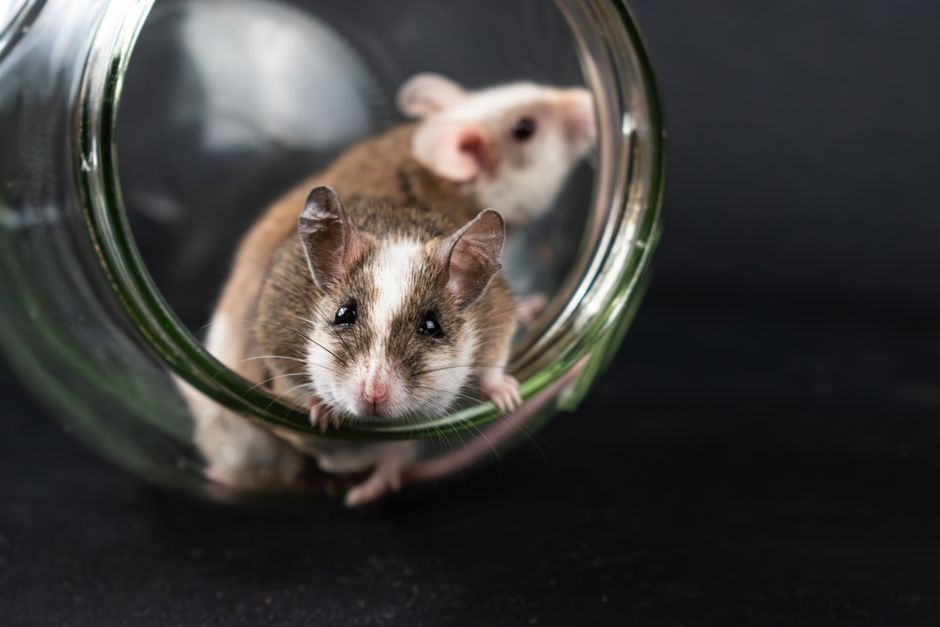
House mice are harmful to human health and property. They carry diseases, contaminate food, and cause structural damage by chewing through walls, wires, and insulation. The CDC reports that mice spread over 35 diseases including hantavirus and salmonellosis. This is not a question about a minor pest—it is a genuine health and safety concern that requires prompt attention.
What Diseases Do House Mice Carry?
House mice are known carriers of several serious diseases. Research published by the Centers for Disease Control and Prevention (CDC) identifies hantavirus, leptospirosis, and lymphocytic choriomeningitis (LCMV) as primary concerns. These illnesses spread through direct contact with mice, their droppings, urine, or saliva.
Hantavirus is particularly dangerous because it can become airborne. When dry mouse droppings are disturbed, tiny particles carrying the virus float into the air. Breathing them in can cause hantavirus pulmonary syndrome, a severe respiratory illness with a mortality rate of about 36% according to CDC data.
Salmonellosis is another common risk. Mice contaminate kitchen surfaces and food storage areas with bacteria from their feces. The CDC estimates that about 1.35 million salmonella infections occur in the US each year, and rodent contamination is a known source.
Lymphocytic choriomeningitis is less discussed but still serious. This viral illness can cause neurological problems and is especially dangerous for pregnant women because it can harm fetal development. The virus is shed in mouse urine and droppings.
Are House Mice Harmful to Your Home Structure?
Yes, house mice cause significant structural damage. Their incisors never stop growing, so they must constantly gnaw to keep them filed down. This instinct drives them to chew through wood, drywall, plastic, and even soft concrete.
The National Pest Management Association reports that mice are responsible for about 20% of unexplained house fires in the US. They chew through electrical wiring, stripping the insulation and exposing live wires. This creates short circuits and sparks that ignite nearby flammable materials.
Mice also damage insulation in attics and walls. They tear it apart for nesting material, which reduces your home’s energy efficiency. A single mouse family can destroy square feet of insulation in a few months.
Plumbing is another target. Mice chew through plastic pipes looking for water sources. This leads to slow leaks that cause mold growth and water damage long before you notice a problem.
How Do Mice Contaminate Food and Surfaces?
Mice are constant urinators and defecators. A single mouse produces between 40 and 100 droppings per day. They leave these droppings everywhere they travel, including on kitchen counters, inside cabinets, and directly on food packaging.
Their urine contains proteins that can trigger allergic reactions and asthma attacks, especially in children. The American Academy of Allergy, Asthma & Immunology recognizes mouse allergens as a significant indoor trigger for respiratory problems.
Mice do not need to eat much food to contaminate it. They nibble on multiple packages, leaving small holes that let bacteria and mold enter. A mouse can contaminate far more food than it actually eats by running across surfaces and leaving droppings behind.
Food storage areas are particularly vulnerable. Mice can squeeze through gaps as small as a dime. They access pantries, pet food bags, and bulk storage containers with surprising ease. Once inside, they establish feeding and nesting sites that are difficult to fully clean.




What Are the Signs of a House Mouse Infestation?
Mouse droppings are the most obvious sign. Look for small, dark, rice-shaped pellets near food sources, along baseboards, and in cabinets. Fresh droppings are moist and dark. Old droppings are dry and crumble easily.
Gnaw marks are another clear indicator. Mice leave small, rough-edged holes in food packaging, wood, and wiring. Fresh gnaw marks appear lighter in color than the surrounding material.
Nesting materials include shredded paper, fabric, insulation, and plant matter. Check dark, undisturbed areas like attic corners, behind appliances, and under sinks. A mouse nest looks like a loose ball of mixed materials about four to six inches across.
Grease marks appear along walls and baseboards. Mice travel the same routes repeatedly, and the oils from their fur leave dark smudges. These rub marks are often the first sign of a well-established travel path.
Sounds at night are common. Mice are nocturnal, so you may hear scratching, scurrying, or squeaking in walls and ceilings after dark. These sounds often come from attics, crawl spaces, and wall cavities.
How Do Mice Compare to Rats in Terms of Harm?
Mice and rats cause similar types of damage but at different scales. The table below shows the key differences based on CDC and pest management data.
| Factor | House Mice | Norway Rats |
|---|---|---|
| Disease risk | 35+ diseases including hantavirus | Similar but higher leptospirosis risk |
| Entry gap size | Dime-sized (1/4 inch) | Quarter-sized (1/2 inch) |
| Daily droppings | 40-100 per mouse | 25-50 per rat |
| Structural damage | Wiring, insulation, drywall | Same plus concrete and lead pipes |
| Reproduction rate | 5-10 litters per year, 5-6 per litter | 3-6 litters per year, 7-8 per litter |
| Fire risk | High from wire gnawing | Higher from thicker wire damage |
Mice are actually harder to exclude from homes because they need smaller entry gaps. Rats cause more severe structural damage because their jaws are stronger. Both require professional intervention for established infestations.
What Actually Works for Mouse Prevention and Control?
Sealing entry points is the most effective long-term strategy. Walk around your home’s exterior and seal every gap larger than a pencil eraser. Use steel wool mixed with caulk for small holes. Mice cannot chew through steel wool. Use hardware cloth or metal flashing for larger openings.
Remove food sources immediately. Store all dry goods in metal or thick plastic containers with tight lids. Do not leave pet food out overnight. Clean up crumbs and spills the same day they happen. Take out trash regularly and use bins with secure lids.
Eliminate nesting sites. Clear clutter from basements, attics, and garages. Stack firewood at least 18 inches off the ground and away from the house. Keep grass and vegetation trimmed back from the foundation.
Snap traps remain the most effective and humane killing method when used correctly. Place them perpendicular to walls with the trigger end touching the baseboard. Use peanut butter as bait. Check traps daily and dispose of dead mice immediately while wearing gloves.
Ultrasonic devices are widely sold but research does not support their effectiveness. Studies published in the Journal of Pest Science found no consistent evidence that ultrasonic sound repels mice. Save your money for proven methods.
Poison baits should be a last resort. They pose risks to children, pets, and non-target wildlife. Mice that eat poison often die inside walls, creating odor problems and fly infestations. Many pest control professionals now avoid indoor baits for these reasons.
Common Misconceptions About House Mice
Many people believe that having a cat solves a mouse problem. Some cats do hunt mice, but many domestic cats have lost their hunting instinct. A mouse infestation will not resolve itself just because a cat lives in the house. Cats may reduce activity but rarely eliminate an established population.
Peppermint oil is another popular but unproven remedy. Some people report success with peppermint-soaked cotton balls placed in mouse pathways. However, the evidence is purely anecdotal. No controlled studies confirm that peppermint oil repels mice effectively or for more than a few days.
Mice are not solitary animals. A single sighting usually means there are many more hiding. Mice breed rapidly. A female can produce up to 10 litters per year, and babies reach breeding age in about six weeks. One mouse can become 30 or more within a few months.
Clean homes get mice too. While sanitation helps, mice enter homes looking for warmth and shelter, not just food. A perfectly clean house with a dime-sized gap in the foundation will still get mice during cold weather.
Frequently Asked Questions
Can house mice make you sick?
Yes, house mice carry hantavirus, salmonella, and lymphocytic choriomeningitis virus that spread through contact with droppings, urine, and saliva.
How do I know if I have mice or rats?
Mouse droppings are small and rice-shaped while rat droppings are larger and blunt-ended. Mice leave dime-sized entry holes while rats need quarter-sized openings.
Will mice leave on their own?
No, mice do not leave voluntarily once they establish a nest and food source indoors. They breed quickly and will remain until actively removed.
What smell keeps mice away?
Peppermint oil is widely claimed to repel mice but no strong scientific evidence supports this. Sealing entry points and removing food sources are proven methods.
