
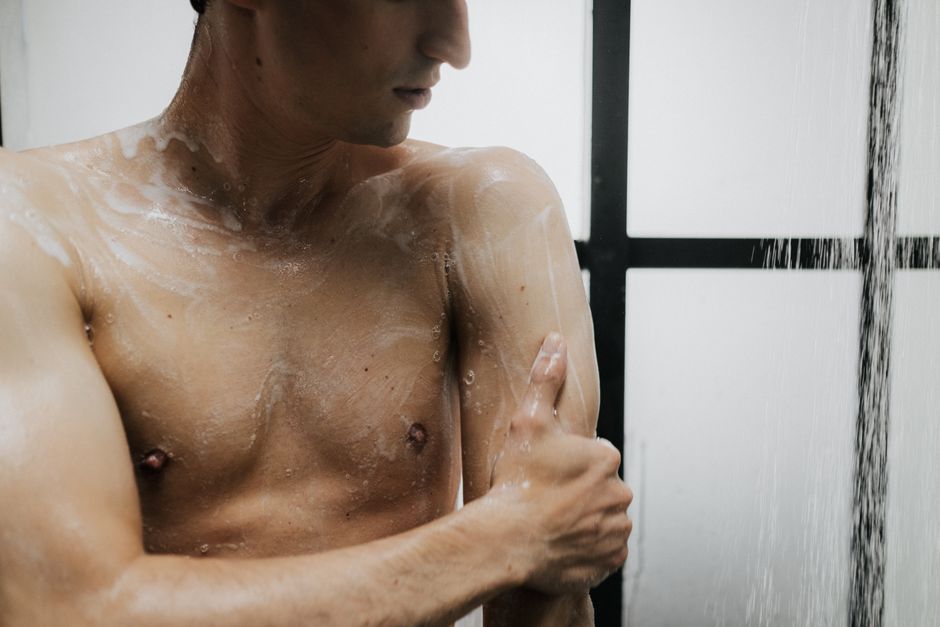
Hot showers are not bad for most people. For healthy adults, a daily hot shower is safe and has real benefits, including muscle relaxation and temporary relief from congestion. The problems start with water that is too hot, showers that run too long, or skin and health conditions that make heat harder to handle.
The word “hot” covers a wide range. Water at 112°F feels warm to most people. Water above 120°F starts to cause harm. A lot depends on where your shower falls on that scale and how long you stand under it.
Are Hot Showers Bad For You Effects On Skin And Body?
No, hot showers are not bad for you in general. The effects on your skin and body depend mostly on temperature and duration, not on whether the water is warm.
Warm water opens pores and loosens oils on the skin. That is why a shower feels cleansing. The same process, when the water is very hot or the shower runs long, strips away lipids that hold moisture in. Your skin’s outer layer, the stratum corneum, depends on those lipids to stay intact.
On the body side, heat causes blood vessels near the skin to widen. That shifts blood flow outward and can lower blood pressure slightly. For most people this is harmless. For people with certain heart conditions or who are prone to dizziness, it can matter.
There is one useful clarification. Hot water does not “detox” the body through sweat. Sweating is a cooling mechanism, not a route for clearing toxins. Your liver and kidneys handle that job. A hot shower may help you feel relaxed and temporarily clear a stuffy nose, but it does not flush anything out.
What Temperature Counts as Too Hot?
Water above about 120°F is where risk rises. That is the temperature range where hot water can begin to damage skin with longer contact.
The Consumer Product Safety Commission recommends setting home water heaters to no more than 120°F to prevent scald injuries, especially for children and older adults. Below that, most healthy adults can shower comfortably.
You do not need a thermometer. A practical test is simple. If the water feels hot enough that you want to step out of the stream, it is probably too hot. Comfortable shower water usually feels warm, not painful.
Scald risk climbs fast at higher temperatures. Very hot water can cause a serious burn in seconds. Children, older adults, and people with reduced sensation in their skin are at higher risk because they may not feel the heat quickly enough to pull away.
How Do Hot Showers Affect Your Skin?
Hot showers affect skin mainly by removing oils and water. The heat loosens the skin’s natural oils, and the water and soap carry them away. Short-term, skin may feel clean and soft. Repeated over time, it can feel tight, dry, and itchy.
People with dry skin, eczema, or psoriasis often notice this most. Heat and long showers can trigger itching and flare-ups in these conditions. The skin barrier is already compromised, and hot water makes it worse.
There is a common misunderstanding worth correcting. A hot shower does not “open your pores” in a lasting way. Pores do not have muscles to open and close. Warm water can soften the outer skin and make pores look slightly less noticeable for a short time, but the effect fades.
Signs that hot showers are drying your skin include:
- Tightness or a pulling feeling after drying off
- Flaking or rough patches, especially on the shins and arms
- Itching that gets worse after showering
- Redness that lingers after you dry off
If these appear, the fix is usually cooler water, shorter showers, and moisturizing within a few minutes of getting out while skin is still slightly damp.
Can Hot Showers Affect Blood Pressure and the Heart?
Hot showers can lower blood pressure briefly. Heat widens blood vessels near the skin, which reduces resistance to blood flow. For most healthy people this is small and well tolerated.
For people with certain heart conditions or low blood pressure, the drop can cause dizziness or lightheadedness. Standing in a hot shower also combines heat with standing still, which can pool blood in the legs. That combination is why some people feel faint in a hot shower or bath.
If you have a heart condition, take blood pressure medication, or have fainted before, it is worth talking to your doctor about hot showers and hot baths. This is general guidance, not a personal recommendation.
Hot tubs and hot baths carry more risk than showers because the whole body is submerged in heat for longer. The same principle applies. Heat, duration, and your individual health determine how your body responds.
Do Hot Showers Help With Muscle Tension and Congestion?
Hot showers can ease muscle tension and help you feel more relaxed. Heat on the skin and muscles can reduce the sensation of stiffness, at least for a while. This is a comfort effect, not a treatment for injury.
For a stuffy nose, a hot shower can help temporarily. The steam adds moisture to the air you breathe, which can thin mucus and make it easier to clear. The relief is short-lived and does not treat the underlying cause of congestion.
Some people find a warm shower before bed helps them wind down. There is some evidence that warming the body and then cooling down can support sleep onset, though the research is not uniform. The effect is modest at best.
Who Should Be Careful With Hot Showers?
Some people should be more careful with hot showers. The main groups are people with certain skin conditions, heart or blood pressure issues, and anyone who is pregnant or caring for a young child.
- Eczema and psoriasis: Hot water can trigger itching and flare-ups. Lukewarm showers and quick moisturizing are usually gentler.
- Heart conditions and low blood pressure: Heat can cause dizziness or fainting. Talk to your doctor about what is safe for you.
- Pregnancy: Prolonged exposure to high heat, such as a hot bath or hot tub, is generally advised against during pregnancy. A warm shower is usually considered fine, but check with your doctor if you are unsure.
- Children: Young children have thinner skin and may not react to heat quickly. Keep bath and shower water comfortably warm, not hot.
- Older adults: Reduced skin sensation and certain medications can raise the risk of burns or dizziness.
If you have any of these concerns, the safest approach is to keep water warm rather than hot and keep showers short.
How to Shower Without Drying Out Your Skin
You can keep the benefits of a warm shower and protect your skin at the same time. The changes are small and easy to make.
- Keep the water warm, not hot. Aim for comfort, not steam.
- Shorten showers. Long exposure to water, even warm water, pulls moisture from skin.
- Use a gentle, fragrance-free cleanser instead of harsh soap.
- Pat skin dry instead of rubbing.
- Apply moisturizer within a few minutes of getting out, while skin is still slightly damp.
- Skip daily hot showers if your skin is dry or you have eczema. Every other day is often enough for many people.
For most healthy adults, none of this is urgent. A hot shower now and then is not harmful. The guidance matters most for people with sensitive skin or health conditions, and for anyone who showers hot every day.
Frequently Asked Questions
Is it bad to take a hot shower every day?
For most healthy adults, a daily warm-to-hot shower is not harmful. Problems usually come from water that is too hot or showers that run long, which can dry out skin over time.
What temperature is too hot for a shower?
Water above about 120°F is where scald risk rises, and the Consumer Product Safety Commission recommends keeping home water heaters at or below 120°F. If the water feels painful or makes you want to step away, it is too hot.
Do hot showers open your pores?
No, pores do not open and close because they have no muscles. Warm water can soften the outer skin and make pores look slightly less noticeable for a short time, but this fades.
Can hot showers cause dizziness?
Yes, heat can widen blood vessels and lower blood pressure briefly, which may cause lightheadedness in some people. Those with heart conditions, low blood pressure, or a history of fainting should be cautious and check with their doctor.
