
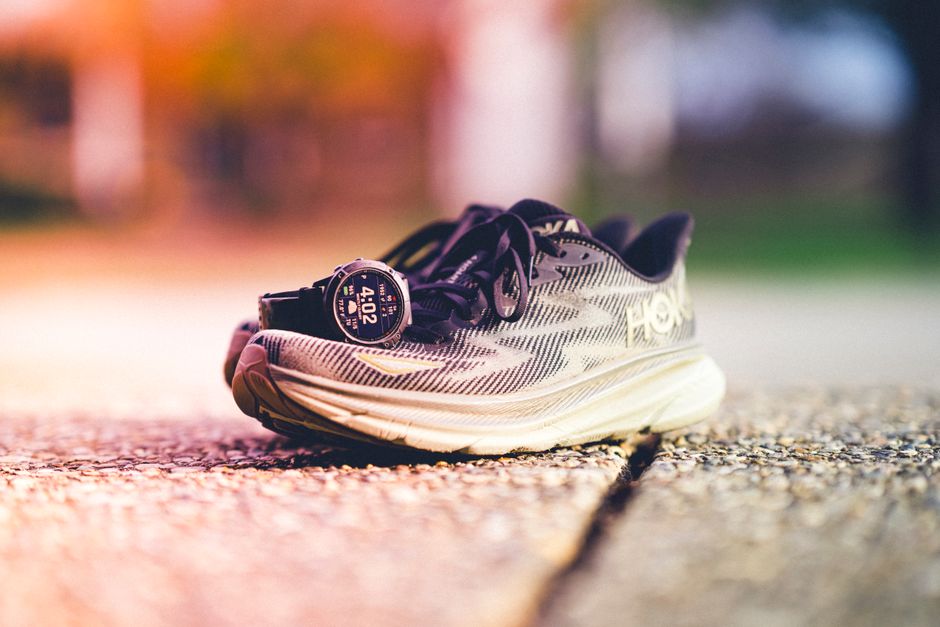
Hoka shoes have become one of the most recognizable footwear brands in the world, especially among runners and people who stand on their feet all day. The short answer is yes, they are good for many people, but they are not the right shoe for everyone. Hoka is best known for its maximalist cushioning — thick soles that absorb impact and provide a soft, stable ride. For the right foot and the right activity, that design can reduce joint stress and improve comfort. For others, the high stack height and soft foam can feel unstable or mask poor form. The key is understanding what the shoe is designed to do and whether that matches your needs.
What Makes Hoka Shoes Different?
Hoka’s core design feature is a thick midsole made of soft foam. The sole is much taller than traditional running shoes. Most conventional running shoes have a stack height — the amount of foam between your foot and the ground — of about 20 to 30 millimeters. Hoka shoes typically measure between 30 and 40 millimeters. That extra foam is the entire point of the brand.
The design was originally created for ultramarathon runners who wanted more cushioning for long distances on hard trails. The idea was simple: more foam means more shock absorption, which means less fatigue in the legs over many hours of running. The brand has since expanded into road running, walking, hiking, and work shoes.
Another key feature is the “rocker” geometry. The soles are curved at the toe and heel, which helps your foot roll forward more smoothly. This reduces the work your ankle has to do with each step. Many people describe the feel as walking on a gentle curve rather than a flat surface.
Hoka shoes are also relatively light despite their thick soles. The foam is designed to be less dense than traditional materials, which keeps the weight down. A typical Hoka running shoe weighs about 8 to 9 ounces for a men’s size 9, which is comparable to many standard running shoes.
Who Benefits Most From Hoka Shoes?
Hoka shoes are most beneficial for people who do high-impact activities repeatedly. Runners who log many miles per week often report less soreness in their knees, hips, and lower back when wearing high-cushion shoes. The thick foam absorbs a significant portion of the impact that would otherwise travel up the leg.
People who stand for long hours at work also commonly benefit. Nurses, retail workers, and restaurant staff frequently wear Hoka models designed for work environments. The cushioning reduces pressure on the balls of the feet and heels, which are common areas of discomfort after eight or more hours on hard floors.
Walkers and hikers are another group that often finds Hoka comfortable. The rocker sole makes each step feel smoother, and the cushioning reduces the jarring sensation on uneven ground. Hoka’s trail models add more aggressive tread and a firmer midsole for better grip and stability on dirt paths.
People with certain foot conditions may also find relief. Plantar fasciitis, which is inflammation of the tissue along the bottom of the foot, often improves with more cushioning. The same applies to people with arthritis in the knees or hips, where reducing impact is a primary goal. Some research suggests that maximalist shoes can reduce the load on the knee joint compared to traditional running shoes, though results vary by individual.
Who Should Be Cautious With Hoka Shoes?
The main downside of Hoka shoes is the high stack height. A thick sole raises your foot farther off the ground, which reduces your ability to feel the surface beneath you. This can make the shoe feel less stable, especially on uneven terrain or when making quick direction changes.
People with weak ankles or a history of ankle sprains should be careful. The raised platform increases the risk of rolling an ankle. The soft foam also compresses under load, which can create a slightly unstable feeling during lateral movements. For this reason, Hoka is generally not the best choice for sports that involve sudden cuts or pivots, like basketball, tennis, or soccer.
Runners with a very efficient, natural gait may not need the extra cushioning. Some runners prefer a firmer, lower-profile shoe that allows them to feel the ground and use their foot muscles more actively. Switching from a minimal shoe to a maximal one can change your running mechanics, which may lead to new aches in the calves or Achilles tendon as your body adjusts.
Another consideration is durability. The soft foam that makes Hoka comfortable also wears out faster than firmer materials. Most runners get between 300 and 500 miles from a pair of running shoes, and Hoka shoes tend to fall at the lower end of that range. Once the foam compresses permanently, the cushioning benefit is lost, even if the outsole still looks fine.





Are Hoka Shoes Good for Overpronation or Flat Feet?
Hoka offers specific models designed for overpronation, which is when your foot rolls inward excessively with each step. These models use a firmer foam on the inner side of the shoe and a wider base to guide the foot into a more neutral position. They are not the same as the standard neutral models, so it matters which one you choose.
For people with flat feet, the amount of arch support varies by model. Some Hoka shoes have a noticeable arch shape built into the insole, while others are relatively flat. People with flat feet often need additional arch support from an orthotic insert. Many Hoka models have removable insoles, which makes it easy to swap in custom orthotics if you use them.
The broader question of whether stability shoes actually prevent injuries is still debated. Some studies suggest that stability shoes reduce the risk of injury in overpronators, while other research finds no meaningful difference between stability and neutral shoes. The evidence is mixed, and individual comfort is often the most reliable guide.
How Do Hoka Shoes Compare to Other Brands?
Hoka is not the only brand making high-cushion shoes. Brooks, Saucony, New Balance, and ASICS all offer models with thick midsoles and rocker geometry. The differences between brands come down to the specific foam density, the shape of the upper, and the fit of the heel and toe box.
Hoka tends to have a narrower fit through the midfoot and heel compared to some competitors. People with wide feet may find that Hoka’s standard width feels snug, though most models are available in wide sizes. The toe box is generally roomy, which is good for toe splay and comfort.
The price point is another factor. Hoka shoes typically cost between $140 and $170, which is in line with other premium running shoes. The higher cost reflects the amount of foam material and the brand’s popularity, not necessarily a superior design.
How to Choose the Right Hoka Shoe
Start by identifying your primary activity. Hoka makes different lines for road running, trail running, walking, hiking, and work. A trail shoe has a firmer midsole and deeper tread than a road shoe. A work shoe is designed for slip resistance and all-day standing, not for running.
Next, consider your arch type and gait. If you know you overpronate, look for a stability model such as the Arahi or Gaviota. If you have a neutral gait, the Clifton or Bondi are the most popular neutral options. The Bondi has the most cushioning of the road shoes, while the Clifton is slightly firmer and lighter.
Try the shoes on at the end of the day when your feet are slightly swollen. Walk around in them for at least ten minutes. Pay attention to whether your heel feels locked in place and whether the arch feels supportive without being painful. If you use custom orthotics, bring them to the store and test the shoes with them inside.
If you are switching from a low-cushion shoe, do not switch all at once. Alternate between your old shoes and the Hokas for the first few weeks. This gives your calves and Achilles tendons time to adapt to the new geometry and cushioning level.
Frequently Asked Questions
Are Hoka shoes good for walking all day?
Yes, many people find Hoka shoes comfortable for all-day standing and walking due to the thick cushioning and rocker sole. Models designed for work or walking, such as the Bondi or specific work line, are the best choices for this purpose.
Do Hoka shoes cause knee pain?
Hoka shoes reduce impact on the knees for most people, but the soft foam can alter your gait and cause new discomfort in some cases. If knee pain develops after switching, it may be due to the change in cushioning level or an underlying biomechanical issue.
Are Hoka shoes good for flat feet?
Some Hoka models provide adequate arch support for flat feet, but not all of them do. People with flat feet should try a stability model or use removable insoles with custom orthotics for proper support.
How long do Hoka shoes last?
Most Hoka shoes last between 300 and 500 miles of running, which is similar to other running shoes. The soft foam compresses over time, and the cushioning benefit diminishes even before the outsole shows visible wear.
