
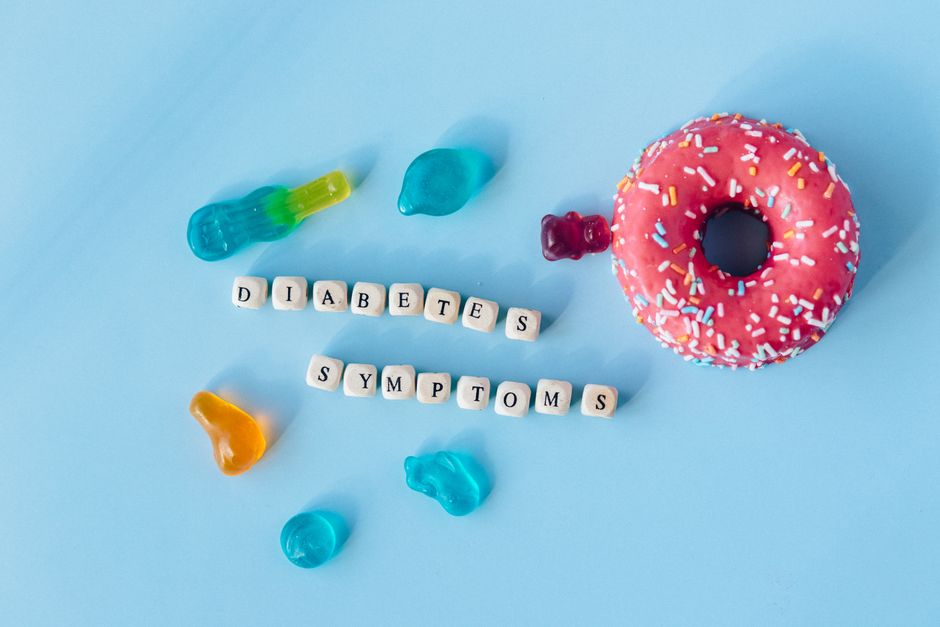
Gummy bears are candy. That sounds obvious, but it is the single most useful fact in this article. They are not a wellness product, not a supplement, not a source of collagen or vitamins in any meaningful sense — they are a confection made mostly of sugar, gelatin, and flavoring. Eaten occasionally as a treat, they are not harmful to most healthy adults. Eaten daily, in large handfuls, or relied on as a “healthy” snack, they can contribute to real problems: excess added sugar, tooth decay, and — in specific cases — choking and swallowing hazards that have caused documented injuries and deaths.
What Are Gummy Bears Actually Made Of?
A standard gummy bear is a small piece of chewy candy. The core ingredients are sugar (or glucose syrup), gelatin, water, and flavoring, with citric acid for tartness and food dyes for color. Gelatin is what gives gummies their bounce. It is a protein derived from animal collagen, usually from pig skin or cattle bones, which is why most traditional gummy bears are not vegetarian.
The nutrition is simple and unremarkable. Sugar is the dominant ingredient by weight. A typical serving of gummy bears — usually around 15 to 17 pieces depending on the brand — contains roughly 130 to 140 calories and about 20 to 25 grams of sugar, with little to no fat, fiber, or meaningful micronutrients. That sugar content is comparable to a regular soda. Check the label on the specific bag, because brands and serving sizes vary.
One thing worth clarifying: the gelatin in gummies is not the same as the collagen sold in beauty supplements. Even if a manufacturer adds collagen or vitamins to a gummy, the amounts are often small, and there is no strong clinical evidence that eating a collagen gummy improves skin, joints, or hair. That is a marketing claim, not an established finding.
Are Gummy Bears Bad For You Compared to Other Candy?
Gummy bears are not worse than most candy, and in one narrow sense they are slightly different. Because they contain gelatin and almost no fat, they are lower in calories per piece than chocolate, which carries cocoa butter and often more fat. That does not make them a health food. It just means the main concern with gummies is sugar, not fat.
Here is the honest comparison. A serving of gummy bears and a serving of chocolate or a soft drink land in a similar range for calories and sugar. The differences are small enough that swapping one candy for another does not change the overall picture. What matters far more is how often and how much you eat, not which specific candy you choose.
The bigger issue is that gummies are easy to overeat. They are small, they do not fill you up, and they are pleasant to chew. A serving of 15 pieces disappears quickly. It is easy to eat two or three servings without noticing, which turns a modest treat into a large dose of added sugar in a few minutes.
How Does Added Sugar Affect Your Health?
Added sugar is the main health concern with gummy bears, and the evidence here is strong. The Dietary Guidelines for Americans recommend keeping added sugars to less than 10 percent of total daily calories. For someone eating 2,000 calories a day, that is about 50 grams of added sugar — roughly the amount in two servings of gummy bears. A single serving can use up half of that daily budget.
Regularly eating more added sugar than recommended is linked to weight gain, tooth decay, and a higher risk of type 2 diabetes and heart disease over time. This is well established across large population studies. It is worth being precise: it is the pattern of excess sugar over years that drives these risks, not one bag of candy. A person who eats gummy bears a few times a month is not in the same category as someone eating them every day.
Sugar also feeds the bacteria in your mouth that cause cavities. Gummies are sticky and cling to teeth, which can keep sugar in contact with enamel longer than a drink would. That is a real, if modest, dental consideration — especially for children and anyone prone to cavities.





Can Gummy Bears Be Dangerous?
For most healthy adults, gummy bears are not dangerous. But there are two specific situations where they have caused serious harm, and both are worth knowing.
Choking in young children. Gummies are round, firm, and slippery, which makes them a choking risk for children under about 4 years old, whose airways are small and who may not chew thoroughly. Choking on candy and similar foods is a documented cause of injury and death in young children. If you have a toddler, this is the main reason to keep gummy bears away from them, separate from any nutrition question.
Sugar-free gummies and digestion. Sugar-free gummy bears often replace sugar with sugar alcohols such as maltitol, sorbitol, or xylitol. These are poorly absorbed and can cause gas, bloating, and diarrhea when eaten in large amounts. This effect is well documented and is a common reason people feel unwell after eating a whole bag of sugar-free candy. Xylitol is also highly toxic to dogs, even in small amounts, and can be fatal. Keep all sugar-free gum and candy away from pets.
There is also a rare but real hazard with any chewy candy: swallowing a large clump that does not pass. This is uncommon and mostly a concern for people with certain swallowing disorders. It is not a reason for most people to avoid gummies.
Are There “Healthy” Gummy Bears?
This is where marketing does a lot of work and the evidence does not follow. You will see gummy bears sold as “made with real fruit juice,” “vitamin-fortified,” “collagen-infused,” or “organic.” None of these change the basic picture much.
“Real fruit juice” usually means a small amount of juice concentrate added alongside the sugar, not a meaningful serving of fruit. Vitamin-fortified gummies may contain added vitamins, but the amounts are often modest and the sugar is still there. Organic sugar is still sugar. Collagen gummies, as noted, have no strong clinical evidence behind their claimed benefits.
If a product is marketed as a supplement rather than candy, it is regulated differently, and the FDA does not review supplements for effectiveness before they are sold. That means a “wellness gummy” can make claims that a candy cannot, without proving they are true. Treat the health halo with skepticism.
How Often Can You Eat Gummy Bears?
There is no official guideline that says “eat gummy bears this often.” Anyone who gives you a precise number is inventing it. What the evidence supports is a general principle: candy fits into a healthy diet when it is occasional and modest, not daily and large.
Practical framing, based on established sugar guidance rather than a gummy-specific rule:
- Think of gummy bears as a treat, not a snack you reach for out of hunger.
- Watch the serving size on the bag. It is usually smaller than it looks.
- If you eat them, account for the added sugar against the rest of your day.
- Brush your teeth afterward, since gummies are sticky.
- Keep them away from children under 4 and away from dogs entirely.
People with diabetes need to account for the sugar and carbohydrate in gummies like any other candy. People watching their weight or blood sugar may find gummies easy to overeat, which is a reason to portion them out rather than eat from the bag.
The Bottom Line
Gummy bears are candy, and the honest answer is that they are fine occasionally and a problem when eaten often or in large amounts. The main concern is added sugar, followed by dental health and, for specific groups, choking and swallowing risks. The “healthy gummy” trend is mostly marketing. If you enjoy them, enjoy them as a treat — just do not let a candy aisle product convince you it is doing your body a favor.
Frequently Asked Questions
Are gummy bears bad for you?
Gummy bears are not harmful in small, occasional amounts, but they are high in added sugar and easy to overeat. Eating them daily or in large portions can contribute to excess sugar intake, weight gain, and tooth decay over time.
How much sugar is in gummy bears?
A typical serving of about 15 to 17 gummy bears contains roughly 20 to 25 grams of sugar, which is close to half of the recommended daily limit for added sugar. Check your specific bag, since amounts vary by brand.
Are sugar-free gummy bears healthier?
Sugar-free gummies avoid sugar but often use sugar alcohols like maltitol or sorbitol, which can cause bloating, gas, and diarrhea in large amounts. They are also dangerous for dogs, so keep them out of reach of pets.
Can kids choke on gummy bears?
Yes. Gummies are round, firm, and slippery, which makes them a choking risk for children under about 4 years old. It is safest to avoid giving them to toddlers and young children.
