
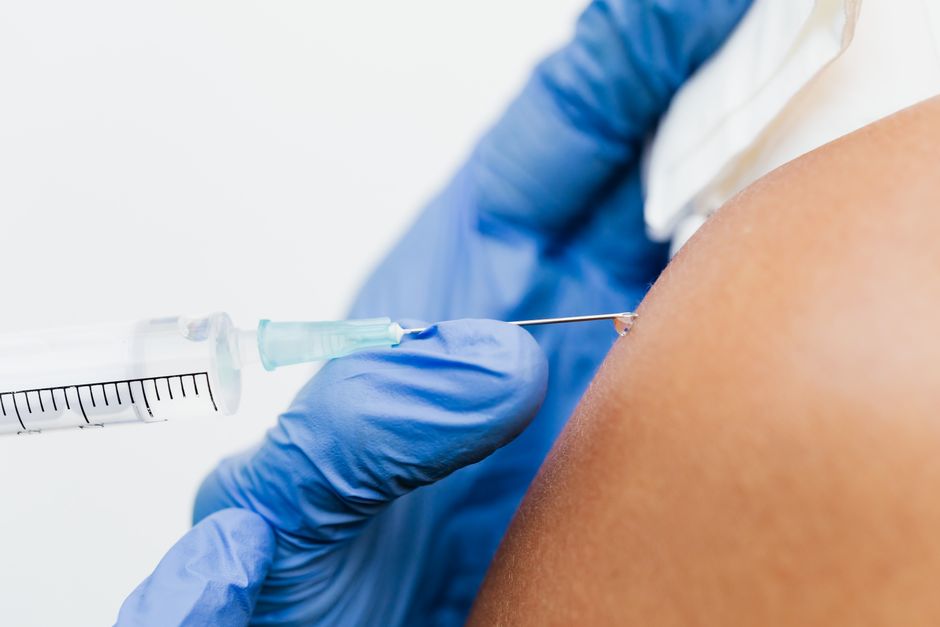
Gel injections for knee arthritis are a real treatment, but they are not a cure and they do not work for everyone. The most common version, hyaluronic acid, is a laboratory-made copy of a substance your knee joint already makes to lubricate itself. Some people get meaningful pain relief for months. Others get nothing. The evidence behind them is genuinely mixed, and that is the honest starting point.
What Are Gel Injections for the Knee?
Gel injections are a group of treatments injected directly into the knee joint. The goal is to reduce pain and improve how the joint moves. They are most often used for osteoarthritis, the wear-and-tear form of joint disease where cartilage gradually breaks down.
The most studied type is hyaluronic acid, sometimes called hyaluronan. It is a thick, slippery molecule found naturally in synovial fluid, the fluid that bathes and lubricates the joint. In osteoarthritis, the quality and amount of this fluid changes, and the joint loses some of its natural cushioning. Injecting a manufactured version is meant to restore that cushion and calm inflammation.
There are other gel-like injections too. Some products combine hyaluronic acid with other compounds. Platelet-rich plasma (PRP) is a different approach that uses a concentrated sample of your own blood, and it is often grouped with gel injections in casual conversation even though it works differently. It is worth separating the two, because the evidence for each is not the same.
Are Gel Injections Good for the Knee? What the Evidence Actually Shows
The evidence for hyaluronic acid injections is mixed, and honest researchers say so plainly. That is not the same as saying they do not work. It means the results across studies do not line up neatly.
Some clinical trials have found real reductions in knee pain after hyaluronic acid injections compared with a placebo injection. Other trials have found little or no difference. When researchers pool many studies together, the average effect tends to be small, and the quality of the individual studies varies. This inconsistency is why different medical organizations have landed in different places on whether to recommend them.
A few points help make sense of the confusion:
- The placebo response in knee injections is unusually strong. People often feel better after any injection into the knee, which makes real effects harder to detect.
- Different products, doses, and injection schedules are lumped together in research, even though they are not identical.
- Pain is subjective. What counts as improvement varies from person to person.
The practical takeaway: hyaluronic acid injections are a legitimate option that some people clearly benefit from, but the average benefit across all patients is modest, and no one can promise you a result in advance. For PRP, the evidence is even less settled. Some studies suggest benefit, but the research is more limited and less consistent than for hyaluronic acid, and there is no single standard preparation.
How Long Do Gel Injections Last?
Relief, when it happens, is usually temporary. Many people who respond report improvement lasting several months before symptoms gradually return. This is why repeat injections are sometimes offered.
It is important to be honest about what this means. A treatment that wears off is not necessarily a failure, but it also is not a fix. The underlying osteoarthritis is still there and still progressing at its own pace. Gel injections may ease symptoms; they do not reverse cartilage loss or change the course of the disease.
Response varies widely. Some people notice improvement within a week or two. Some notice nothing. Some feel worse briefly before any benefit appears, because the knee can react to the injection itself.





Who Might Benefit and Who Probably Won’t
There is no reliable way to predict in advance who will respond. That is one of the genuine frustrations of this treatment. Certain patterns show up in the research, but they are tendencies, not rules.
People with mild to moderate osteoarthritis may be more likely to benefit than those with severe, advanced joint damage. Once cartilage is largely gone and bone is grinding on bone, lubrication alone is unlikely to solve the problem. But individual responses still vary, and some people with more advanced disease report relief.
Gel injections are generally considered when other measures have not done enough. That usually means physical therapy, weight management where relevant, exercise, and pain relievers have been tried first. Injections are not typically a first-line treatment.
Risks and Side Effects
Gel injections are generally well tolerated, but they are not risk-free. Any injection into a joint carries some risk, and it is fair to know what those are before deciding.
Common reactions include temporary pain, swelling, warmth, or stiffness at the injection site. These usually settle within a few days.
Less common but more serious risks include:
- Infection in the joint, called septic arthritis. This is rare but serious and needs urgent medical care.
- Severe inflammatory reactions to the injected material, sometimes called pseudosepsis because it mimics an infection.
- Bleeding or bruising, more likely in people taking blood thinners.
Because infection risk is real, tell your doctor about any fever, worsening swelling, or severe pain after an injection. Do not wait it out.
There is also ongoing discussion about whether repeated hyaluronic acid injections have any long-term effect on the joint, positive or negative. The evidence does not give a clear answer.
How Do Gel Injections Compare With Other Knee Treatments?
Gel injections sit in the middle of a range of options, and it helps to see them in context.
| Treatment | What It Does | Evidence Strength |
|---|---|---|
| Exercise and physical therapy | Strengthens muscles, improves function | Strong |
| Weight management (if relevant) | Reduces load on the knee | Strong |
| Pain relievers (oral or topical) | Reduces pain and inflammation | Strong for short-term relief |
| Corticosteroid injections | Powerful short-term anti-inflammatory effect | Strong for short-term relief |
| Hyaluronic acid injections | Aims to improve lubrication and reduce pain | Mixed |
| PRP injections | Uses your own blood components | Limited and inconsistent |
| Knee replacement surgery | Replaces the damaged joint | Strong for advanced disease |
Exercise and weight management, where relevant, remain the most consistently supported approaches for knee osteoarthritis. That is not exciting, but it is what the evidence shows. Injections are best understood as one tool among several, not a replacement for the basics.
One non-obvious point: steroid injections and gel injections are not the same thing and are not interchangeable. Steroids reduce inflammation quickly but their effect is short-lived, and repeated steroid injections carry their own concerns. Gel injections aim for a longer, gentler effect. They are sometimes used at different stages or in sequence.
What to Discuss With Your Doctor
Whether gel injections make sense for you depends on your specific knee, your symptoms, your other health conditions, and what you have already tried. This is a decision to make with a clinician who can examine your knee, not from a general article.
Worth asking:
- What type of injection are you recommending, and why?
- What results do you typically see in patients like me?
- How many injections, and how often?
- What are the costs, and will insurance cover it? Coverage for these injections varies.
- What should I do if I get swelling, fever, or worsening pain afterward?
Be wary of anyone promising a guaranteed result or presenting gel injections as a way to regrow cartilage. No treatment currently regrows cartilage in the knee, and no injection is a cure for osteoarthritis.
Frequently Asked Questions
Are gel injections good for the knee?
They can help some people, but the evidence is mixed and the average benefit is modest. They are a reasonable option for some patients, not a guaranteed fix.
How long do gel injections last in the knee?
When they work, relief often lasts several months before symptoms return. Response varies widely, and some people get no benefit at all.
Do gel injections regrow cartilage?
No. No injection currently regrows cartilage in the knee, and gel injections do not reverse osteoarthritis.
Are gel injections better than steroid injections?
They work differently and are not directly interchangeable. Steroids act faster but wear off sooner, while gel injections aim for a longer effect; the better choice depends on your situation.
