
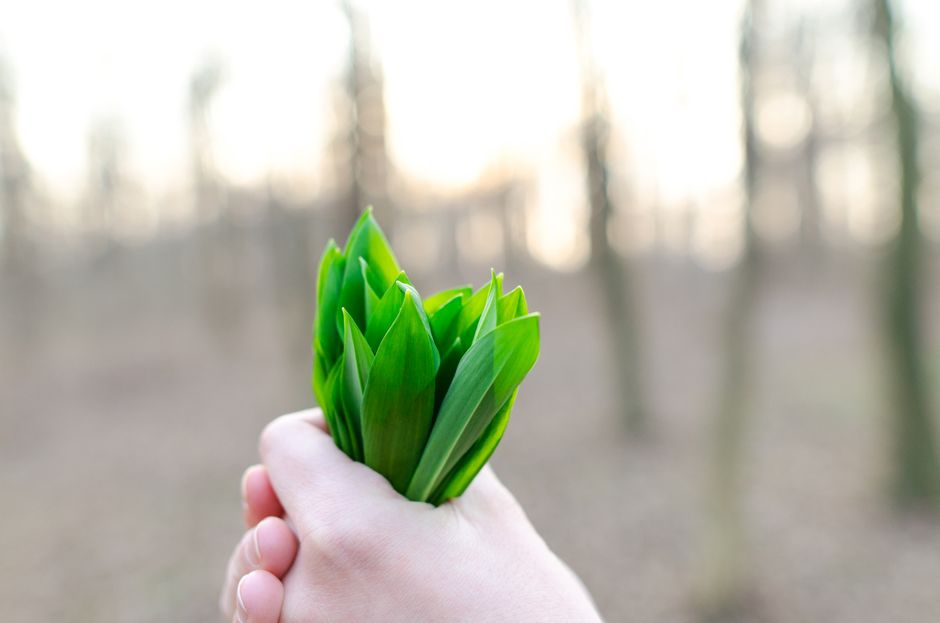
Yes, garlic leaves are edible. They are the green shoots that grow from a planted clove, and they taste like a milder version of the bulb below. You can eat them raw in salads, chop them into cooked dishes, or blend them into pesto and sauces. The one rule that matters: only harvest leaves from garlic you grew yourself or bought as a food crop, because the green tops sold at garden centers are often sprayed with pesticides not approved for food.
Are Garlic Leaves Edible How To Harvest And Use Them?
Garlic leaves are edible, and they have been eaten in kitchens around the world for a long time. The plant is Allium sativum, the same species that produces the familiar bulb. Its leaves are simply the above-ground part of the plant.
People often confuse garlic leaves with garlic scapes. They are not the same thing. A scape is the curled flower stalk the plant sends up in late spring or early summer. The leaves are the flat, green blades that grow from the base of the plant all season.
Both are edible. Both taste like garlic. But they come from different parts of the plant and appear at different times.
What garlic leaves are
Each clove you plant sends up a cluster of thin, flat leaves. They look similar to grass or scallion tops when young, and they grow longer and wider as the bulb develops underground.
Garlic leaves are sometimes sold under other names. You may see them labeled as green garlic, garlic greens, or spring garlic. Green garlic is usually the whole young plant, harvested before the bulb forms, and its leaves are the main edible part.
The flavor is milder and fresher than a cured garlic clove. Raw leaves have a gentle bite. Cooking softens that bite and brings out a sweeter, more mellow taste.
Why the distinction matters
Garlic belongs to the Allium family, which also includes onions, leeks, chives, and shallots. All of these plants store sulfur-based compounds that give them their smell and taste. When you cut or crush the tissue, those compounds react and form new ones, including a compound called allicin.
Allicin is the reason garlic smells strong when you chop it. It forms quickly after the cells are damaged. This is why a garlic leaf you tear and let sit for a minute tastes sharper than one you bite straight off the plant.
The leaves contain lower concentrations of these compounds than the cloves do. That is the main reason they taste milder.
How Do You Harvest Garlic Leaves Without Harming The Bulb?
You can harvest garlic leaves at almost any point in the growing season, but how you do it affects the bulb.
The bulb is the plant’s energy store. The leaves capture sunlight and send that energy down to the bulb. If you strip too many leaves, the bulb has less to work with and may end up smaller.
The practical approach is to take a few outer leaves from each plant and leave the rest. Never pull more than about a third of the leaves from a single plant if you want a good bulb later.
When to harvest
- Spring: Leaves are tender and mild. This is the best time for raw use.
- Early summer: Leaves are larger and more flavorful. Good for cooking.
- Late summer: Leaves start to yellow and dry as the bulb matures. Flavor turns stronger and more bitter.
Once the leaves begin to turn brown and flop over, the plant is putting its energy into finishing the bulb. At that stage the leaves are no longer good eating.
How to cut them
Use clean scissors or a sharp knife. Cut the leaf near the base, but leave the growing point intact so the plant keeps producing new leaves.
Harvest in the morning if you can. Leaves hold more water then and stay crisp longer. Rinse them under cool water and pat them dry.
If you are growing hardneck garlic, you will also get scapes. Cutting those off is common practice because it redirects energy to the bulb. Scapes are edible too and can be used much like the leaves.
What Do Garlic Leaves Taste Like And How Do You Cook With Them?
Garlic leaves taste like garlic, but softer and greener. Think of the difference between a raw onion and a scallion. Same family, gentler edge.
Raw leaves have a light pungency that fades with heat. Cooked leaves turn sweet and mild, similar to how roasted garlic loses its sharpness.
They work in most places you would use chives or scallions. The flavor is a little more assertive than a chive, so adjust amounts to taste.
Simple ways to use them
- Chop raw leaves into salads, grain bowls, or egg dishes.
- Stir them into soups and stews near the end of cooking so they keep some color.
- Blend them into pesto in place of basil, or mixed with basil.
- Sauté them with other vegetables as a base flavor.
- Fold them into compound butter, then chill and slice.
- Use them as a garnish on pizza, pasta, or grilled meat.
One thing to know: garlic leaves cook fast. They wilt within a minute or two in a hot pan. Add them late if you want them to hold their shape.
Storage
Fresh garlic leaves keep in the refrigerator for about a week if wrapped loosely in a damp paper towel and placed in a bag. They lose flavor over time, so use them sooner for the best taste.
You can also freeze them. Chop the leaves, pack them into ice cube trays with a little oil or water, and freeze. They will not stay crisp, but they hold flavor well for cooked dishes.
Drying is possible but not ideal. The leaves lose most of their aroma and turn dull. Freezing preserves flavor better than drying for this particular plant.





Are Garlic Leaves As Nutritious As Garlic Cloves?
Garlic leaves and cloves share many of the same nutrients, but not in the same amounts. Both contain sulfur compounds, vitamin C, and small amounts of minerals.
The cloves are more concentrated. They store energy and defense compounds for the plant, so gram for gram they carry more of the active sulfur compounds than the leaves do.
The leaves, on the other hand, are a green vegetable. They bring vitamin C, vitamin A in the form of beta-carotene, and some dietary fiber that the cloves do not provide in meaningful amounts.
Here is a rough comparison of what each part offers:
| Nutrient | Garlic cloves | Garlic leaves |
|---|---|---|
| Sulfur compounds (allicin precursors) | Higher | Lower |
| Vitamin C | Present | Present |
| Beta-carotene (vitamin A) | Low | Higher |
| Dietary fiber | Low | Moderate |
| Calories | Low | Very low |
Exact values vary by variety, growing conditions, and how fresh the plant is. The table shows direction, not precise numbers.
A note on health claims
Garlic has been studied for effects on blood pressure, cholesterol, and other markers. Much of that research uses garlic supplements or aged garlic extract, not fresh leaves.
No clinical trials have tested garlic leaves specifically for health outcomes. It would be inaccurate to say eating garlic leaves lowers blood pressure or fights infection based on studies of garlic cloves or supplements.
What is reasonable to say: garlic leaves are a low-calorie green vegetable with some vitamin content, and they fit well in a varied diet. That is the honest position.
Are There Any Risks Or People Who Should Avoid Them?
Garlic leaves are generally well tolerated as a food. For most people, they cause no problems when eaten in normal amounts.
Some people are sensitive to the sulfur compounds in the Allium family. If you react to onions or garlic cloves, you may react to the leaves too. Symptoms can include heartburn, gas, or an upset stomach.
Garlic can act as a mild blood thinner. This is a well-known effect of garlic cloves and supplements. Because the leaves contain the same compounds, though in smaller amounts, people taking blood-thinning medication should mention garlic intake to their doctor.
For major surgery, some clinicians advise limiting garlic in the days before the procedure because of its effect on bleeding. This is common clinical practice rather than a strongly established guideline, so ask your own care team what they recommend.
People with a known garlic allergy should avoid the leaves. Garlic allergy is uncommon but real, and it can cause skin reactions, breathing trouble, or digestive symptoms.
Pesticide caution
This is the most important safety point in this article. Garlic bulbs sold for planting are often treated with fungicides or pesticides. Those treatments are not approved for food crops, and the label will say so.
If you want to eat the leaves, grow garlic from cloves sold as food, or buy seed garlic specifically labeled as untreated and food-safe. Do not eat the green tops of ornamental alliums or garlic planted from treated garden stock.
Wash all leaves under running water before eating, the same as you would any fresh produce.
Can You Grow Garlic Just For The Leaves?
Yes, and it is one of the easiest ways to get a garlic harvest. You do not need to wait for a bulb to form.
Plant cloves in fall or early spring, depending on your climate. Keep the soil moist but not soaked. Leaves appear within a few weeks.
You can start cutting outer leaves once the plant has several of them. The plant keeps growing as long as you leave the center intact.
Growing garlic for leaves works well in containers too. A pot on a sunny windowsill or balcony can supply a steady stream of leaves through the season.
If you grow your own from food-grade cloves, you control what goes on the plant. That solves the pesticide concern and gives you the freshest possible leaves.
Frequently Asked Questions
Are garlic leaves safe to eat raw?
Yes, garlic leaves are safe to eat raw for most people, and they taste mild and fresh. Wash them first, and only use leaves from garlic grown as a food crop rather than treated garden stock.
What is the difference between garlic leaves and garlic scapes?
Garlic leaves are the flat green blades that grow from the base of the plant all season. Scapes are the curled flower stalks that appear in late spring or early summer, and both parts are edible.
Can you eat the green tops of garlic you bought at a garden center?
No, you should not eat leaves from garlic bulbs sold for planting, because those bulbs are often treated with pesticides not approved for food. Use garlic sold as food or seed garlic labeled untreated and food-safe instead.
Do garlic leaves have the same health benefits as garlic cloves?
Garlic leaves contain the same types of sulfur compounds as cloves, but in lower amounts. No clinical trials have tested garlic leaves specifically for health outcomes, so claims about their health effects are not supported by direct evidence.
