
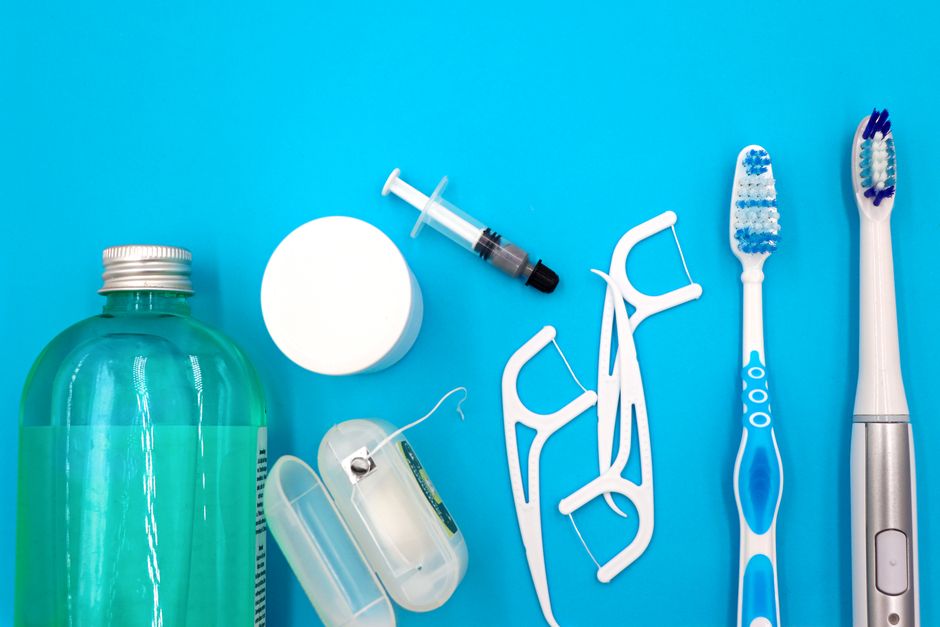
If you have a Flexible Spending Account (FSA), you can use those pre-tax dollars to buy a manual toothbrush, an electric toothbrush, and replacement brush heads. The IRS considers oral hygiene items like toothbrushes, toothpaste, and floss eligible medical expenses under IRS Publication 502. This means your electric toothbrush purchase qualifies for FSA reimbursement, whether you use a standard FSA, a Limited Purpose FSA, or a Health Savings Account (HSA).
What Exactly Is an FSA-Eligible Expense?
The IRS defines eligible medical expenses as costs for the “diagnosis, cure, mitigation, treatment, or prevention of disease.” Dental care falls squarely within this definition. Because toothbrushes are tools for preventing tooth decay and gum disease, they qualify as medical expenses.
This is not a gray area. The IRS specifically lists “toothpaste” and “toothbrushes” as examples of eligible medical care expenses in Publication 502. As long as the product is primarily for dental health, it qualifies. Battery-powered, rechargeable, sonic, and rotating electric toothbrushes all fall into this category.
One important distinction: the item must be for medical care, not general cosmetic purposes. A standard toothbrush is clearly medical. A whitening kit might be a different story depending on how it is marketed. But the toothbrush itself, electric or manual, is safe territory.
Do You Need a Letter of Medical Necessity?
No. For standard FSA plans, you do not need a letter of medical necessity for an electric toothbrush. The IRS already classifies toothbrushes as eligible without a prescription or doctor’s note.
Some FSA administrators have their own lists of eligible items. If you are unsure, check your plan’s specific benefits portal. But in general, you can buy an electric toothbrush with your FSA card at most major retailers, including pharmacies, big-box stores, and online marketplaces that accept FSA payments.
If your FSA administrator rejects the purchase, you can submit an itemized receipt for manual review. The receipt must show the date, the store name, and the item purchased. Most administrators approve toothbrush purchases without question.
Can You Use FSA Funds for Replacement Brush Heads?
Yes. Replacement brush heads for electric toothbrushes are also FSA-eligible. They are the same category of dental hygiene product as the toothbrush itself.
This matters because brush heads are a recurring cost. Most manufacturers recommend replacing the head every three months. With FSA dollars, you can stock up on multiple replacement heads at once.
Some FSA plans have a “use it or lose it” rule, meaning funds do not roll over at year-end. Buying extra brush heads before your plan year ends is a practical way to use remaining funds. Just make sure you actually use them. Buying more than you need is not a wise financial move just because the money is pre-tax.





Does This Apply to HSAs and Other Accounts?
Health Savings Accounts (HSAs) follow the same IRS eligibility rules as FSAs. If an item is FSA-eligible, it is generally HSA-eligible as well. This includes electric toothbrushes and replacement heads.
Health Reimbursement Arrangements (HRAs) work differently. These accounts are funded entirely by your employer, and the employer decides which expenses are covered. Many HRAs cover the same IRS-qualified expenses, but you should check your specific plan documents.
Limited Purpose FSAs are a special case. These accounts are typically paired with a High Deductible Health Plan and an HSA. Limited Purpose FSAs only cover dental and vision expenses before your deductible is met. Because a toothbrush is a dental expense, it qualifies under a Limited Purpose FSA.
Are There Any Exceptions or Red Flags?
There are a few situations where an electric toothbrush purchase might not be reimbursed. If your FSA administrator uses a third-party payment processor that does not recognize the merchant category code, the transaction could be flagged. This is rare, but it happens.
You cannot use FSA funds to buy an electric toothbrush for someone who is not your dependent or spouse. The expense must be for you, your spouse, or a qualified dependent. Buying one as a gift for a friend is not eligible.
Another edge case: some high-end electric toothbrushes come with features like Bluetooth connectivity and smartphone apps. The IRS does not distinguish between basic and advanced models. As long as the primary purpose is dental hygiene, the entire purchase price is eligible. The IRS does not require you to prorate the cost based on extra features.
How Do You Pay for an Electric Toothbrush with FSA Funds?
You have two main options. First, you can use your FSA debit card at the point of sale. Most retailers that accept FSA cards will process the transaction automatically if the merchant code matches a medical expense category.
Second, you can pay out of pocket and submit a claim for reimbursement. This requires submitting an itemized receipt to your FSA administrator. Reimbursement is typically issued within a few business days to a couple of weeks, depending on your plan.
Online purchases work the same way. Many online retailers let you enter your FSA card information at checkout. Some will ask you to confirm the item is FSA-eligible before processing. If you pay with a personal credit card, you can still file a manual claim afterward.
Keep your receipts. Even if the transaction goes through automatically, the IRS requires you to maintain documentation for eligible expenses. Your FSA administrator may request proof of purchase during an audit.
What About Toothpaste, Floss, and Mouthwash?
Toothpaste and dental floss are also FSA-eligible. The IRS explicitly lists these items in Publication 502. You can buy them with FSA funds just like a toothbrush.
Mouthwash is a more complicated case. Antiseptic mouthwashes that treat or prevent gum disease are eligible. Cosmetic mouthwashes that only freshen breath are not. The distinction depends on the product’s labeling and primary purpose. If the label claims to treat gingivitis or plaque, it is generally eligible. If it only claims fresh breath, it is not.
This same logic applies to other oral care products. Water flossers, interdental brushes, and tongue scrapers are typically eligible because they serve a dental hygiene purpose. If you are unsure about a specific product, check the IRS definition or ask your FSA administrator directly.
Frequently Asked Questions
Can I use my FSA card to buy an electric toothbrush at any store?
Yes, at most major retailers that accept FSA cards. Pharmacies, big-box stores, and online marketplaces typically process these transactions without issue.
Are electric toothbrush replacement heads FSA eligible?
Yes. Replacement brush heads are considered the same category of dental hygiene product as the toothbrush itself.
Do I need a prescription for an FSA electric toothbrush purchase?
No. The IRS classifies toothbrushes as eligible medical expenses without a prescription or letter of medical necessity.
Can I use HSA funds for an electric toothbrush?
Yes. HSAs follow the same IRS eligibility rules as FSAs, so electric toothbrushes and replacement heads qualify.
