
Yes, some eels are poisonous, but the answer depends entirely on which eel you mean. The eels people commonly eat, like American and European eels, are safe to eat once cooked. However, their blood contains a toxic protein that is destroyed by heat. The real danger comes from moray eels, which can carry a toxin in their flesh that cooking does not destroy. Understanding the difference matters if you fish, cook, or eat eel.
Are Eels Poisonous The Truth About Eating Eel
The word “poisonous” is often used loosely, but it matters here. A poisonous animal delivers toxins when you eat it. A venomous animal injects toxins through a bite or sting. Most eels are neither in the way people fear, but some are genuinely dangerous to eat.
Freshwater eels like the American eel and European eel have toxic blood. The protein in their blood, called ichthyotoxin, can cause serious illness if consumed raw. Cooking destroys this toxin completely. This is why properly cooked eel is a common dish in many cultures, including Japanese cuisine where it is served as unagi.
Moray eels are a different story. These saltwater eels can carry ciguatera toxin in their flesh. This toxin comes from algae consumed by small fish, which larger fish eat, and the toxin builds up in the food chain. Cooking does not destroy ciguatera. Eating a moray eel that carries this toxin can make you very sick.
What Happens If You Eat Raw Eel Blood?
Raw eel blood contains a toxic protein that attacks red blood cells. Ingesting it can cause symptoms like nausea, vomiting, and muscle weakness. In severe cases, it can affect the heart and nervous system.
This is not a theoretical risk. There are documented cases of people becoming seriously ill after consuming raw eel blood. Some traditional recipes in certain cultures use eel blood, which is dangerous precisely because the toxin is active until heated.
The toxin breaks down at cooking temperatures. Standard cooking methods, like grilling, baking, or boiling, are enough to make the eel safe. The key is that the eel must be thoroughly cooked before eating. There is no safe way to consume raw freshwater eel.
Why Are Moray Eels Dangerous to Eat?
Moray eels can accumulate ciguatera toxin. This is not something the eel produces itself. The toxin comes from marine algae called Gambierdiscus toxicus. Small fish eat the algae, larger fish eat those small fish, and the toxin concentrates as it moves up the food chain.
Moray eels sit high on that food chain. They eat fish that have already accumulated the toxin. Over time, the toxin builds up in their flesh and organs. The liver and other organs tend to have the highest concentrations.
Ciguatera poisoning causes gastrointestinal symptoms within hours of eating contaminated fish. Nausea, vomiting, and diarrhea are common. Neurological symptoms can follow, including tingling in the hands and feet, temperature reversal where cold feels hot, and joint pain. These neurological symptoms can last for weeks or even months in some cases.
There is no way to tell if a moray eel carries ciguatera by looking at it. The fish does not look, smell, or taste different. This is why many coastal communities avoid eating moray eels entirely, even though some cultures do consume them.





Which Eels Are Safe to Eat?
The eels most commonly sold for food are freshwater eels from the genus Anguilla. The American eel and European eel are the most familiar. Japanese eel, known as unagi in restaurants, is also from this genus. These are safe to eat when cooked.
Saltwater eels like conger eels are also eaten in some regions. Conger eel is popular in parts of Europe and Asia. Like freshwater eels, conger eels must be cooked thoroughly to neutralize any toxins in their blood.
Moray eels are the ones to avoid. They are not commonly sold in markets, but people who catch them while fishing might wonder if they can eat them. The safest answer is no. The risk of ciguatera poisoning is real, and the consequences can be severe.
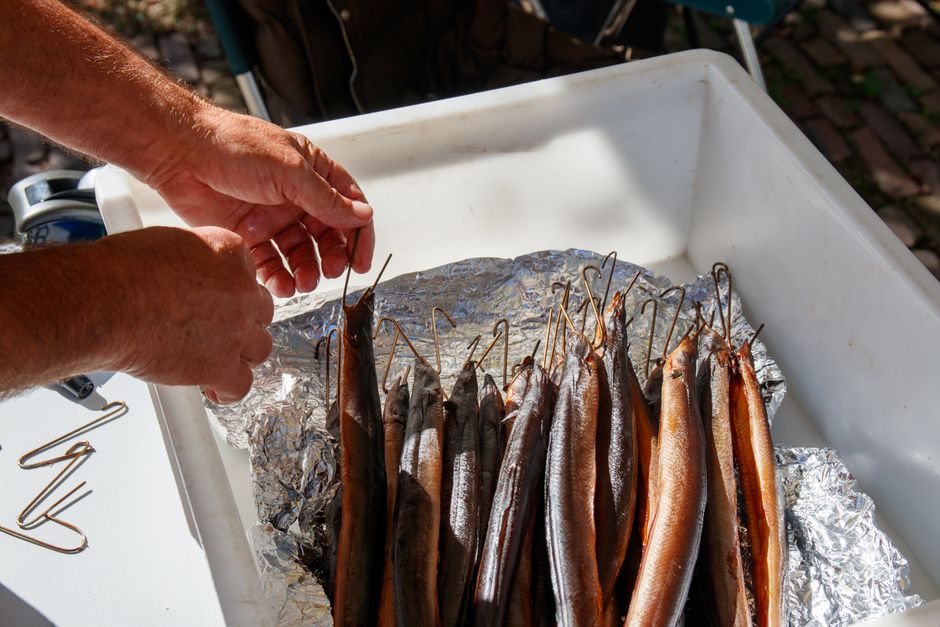
Smoked eel is another common product. The smoking process involves heat, which should destroy the blood toxin. However, the quality of smoking varies. If you buy smoked eel from a reputable source, it should be safe. If you smoke an eel yourself, make sure it reaches a temperature high enough to cook the flesh thoroughly.
How Common Is Eel Poisoning?
Eel poisoning from freshwater eels is rare. Most people who eat eel eat it cooked, which eliminates the risk. The danger comes from ignorance or from following traditional practices that involve raw eel blood.
Ciguatera poisoning from moray eels is more common in tropical and subtropical regions. The CDC estimates that ciguatera affects thousands of people worldwide each year, though many cases go unreported. Moray eels are a known source, but they are not the most common source. Barracuda, grouper, and snapper are more frequently implicated.
In the United States, ciguatera is most common in Florida, Hawaii, and Puerto Rico. Anyone who catches fish in these areas should be aware of the risk. Local health departments often post warnings about ciguatera risk in specific fish species.
What Should You Do If You Get Sick After Eating Eel?
If you develop nausea, vomiting, or diarrhea within hours of eating eel, seek medical attention. This is especially important if you ate moray eel or any eel that was not thoroughly cooked.
For ciguatera poisoning, there is no specific antidote. Treatment focuses on managing symptoms. Intravenous fluids may be needed for dehydration. Some medications can help with neurological symptoms, but the evidence for their effectiveness is limited.
Tell your doctor exactly what you ate and when. This information helps them make the right diagnosis. Ciguatera is often misdiagnosed because its symptoms overlap with many other conditions.
Can You Remove the Toxin by Cleaning the Eel?
No. The blood toxin in freshwater eels is throughout the blood, not just in specific organs. You cannot wash it away or soak it out. Only heat destroys it.
For ciguatera in moray eels, the toxin is stored in the flesh and organs. Cutting away the liver and other organs reduces the toxin load, but it does not eliminate the risk. The flesh itself can still contain dangerous levels.
Some people believe that cooking with certain ingredients, like lime juice or vinegar, neutralizes toxins. This is not supported by evidence. Acid does not break down either the blood toxin or ciguatera toxin. Only heat above cooking temperatures reliably destroys the blood toxin, and no cooking method destroys ciguatera.
How to Eat Eel Safely
Buy eel from reputable sources. Restaurants that serve eel, especially Japanese restaurants serving unagi, use eel that has been properly prepared. The eel is typically grilled or broiled with a sweet sauce, and the cooking process makes it safe.
If you catch your own eel, cook it thoroughly. The flesh should be opaque and flake easily with a fork. Do not taste it raw. Do not consume the blood. Do not use eel blood in any recipe.
If you catch a moray eel, the safest choice is to release it. The risk of ciguatera is not worth the meal. There is no reliable way to test the flesh for the toxin at home.
Frequently Asked Questions
Can you eat moray eel?
It is not recommended. Moray eels can carry ciguatera toxin in their flesh, and cooking does not destroy it.
Is eel blood poisonous to humans?
Yes, raw eel blood contains a toxic protein that can cause serious illness. Cooking destroys this toxin completely.
Is unagi safe to eat?
Yes, unagi is safe because it is thoroughly cooked. The grilling process destroys the toxins found in raw eel blood.
How long after eating bad eel do you get sick?
Symptoms usually appear within a few hours of eating contaminated eel. This applies to both raw eel blood poisoning and ciguatera from moray eels.
