
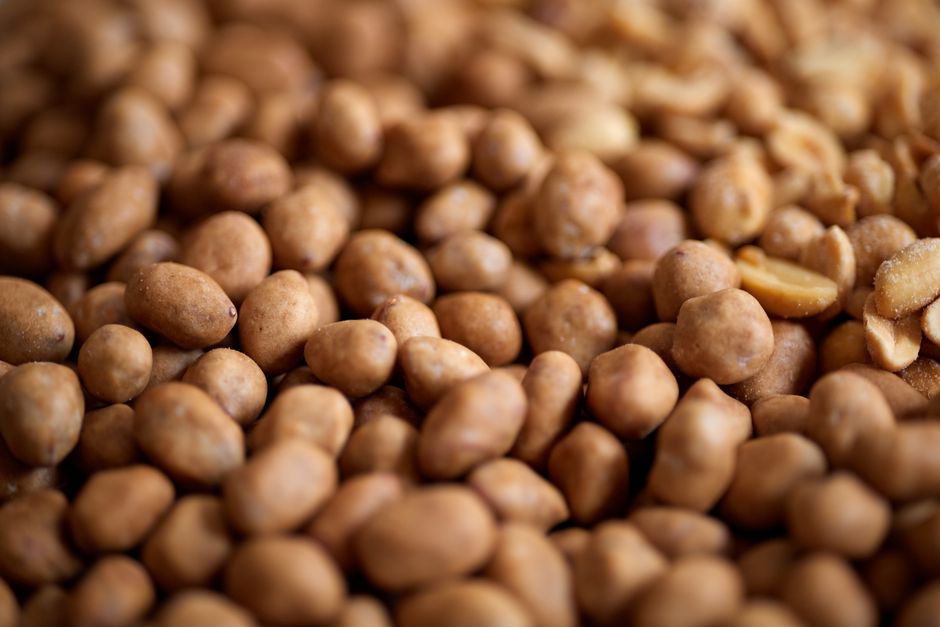
Dry roasted peanuts are a healthy snack for most people. They are a good source of plant protein, healthy fats, fiber, and several important vitamins and minerals. The main drawbacks come from added salt and the high calorie density of peanuts, not from the dry roasting process itself. For most healthy adults, a handful a day fits comfortably into a balanced diet.
What Happens to Peanuts When They Are Dry Roasted?
Dry roasting uses heat without oil. The peanuts are cooked in a rotating drum with hot air, which gives them a deeper, nuttier flavor and a crunchier texture. This process is different from oil roasting, which adds extra fat and calories.
The heat does change the peanut’s chemistry slightly. It reduces moisture content, which concentrates nutrients by weight. It also creates a compound called acrylamide, though at levels far lower than those found in French fries or toasted bread. The FDA has not established a threshold for acrylamide in peanuts, and the levels present are not considered a health concern for normal consumption.
What Are the Main Nutrients in Dry Roasted Peanuts?
Peanuts are technically legumes, but nutritionally they behave like tree nuts. A standard one-ounce serving of dry roasted peanuts—about 28 grams or roughly a small handful—contains approximately 170 calories, 7 grams of protein, 14 grams of fat, and 2.5 grams of fiber. Most of the fat is monounsaturated and polyunsaturated, the types linked to better heart health.
Dry roasted peanuts are a strong source of niacin, folate, and vitamin E. They also provide magnesium, phosphorus, and potassium. These nutrients support energy metabolism, nerve function, and bone health. Peanuts contain more protein than most nuts, making them a practical option for plant-based eaters.
One thing to note: dry roasting does not add or remove significant nutrients compared to raw peanuts. The differences are mostly about taste and texture. The salt added during processing is the bigger variable to watch.
Are Dry Roasted Peanuts Good for Heart Health?
Research consistently shows that regular nut consumption, including peanuts, is associated with a lower risk of cardiovascular disease. The unsaturated fats in peanuts help improve cholesterol profiles. They lower LDL cholesterol—the “bad” kind—and can raise HDL, the “good” kind.
Peanuts also contain resveratrol, the same antioxidant found in red wine, and other polyphenols that reduce inflammation. The fiber and magnesium contribute to better blood pressure control. These effects are well documented in observational studies and clinical trials.
However, portion control matters. Peanuts are calorie-dense. Eating large amounts daily can lead to weight gain, which offsets the cardiovascular benefits. The American Heart Association recognizes nuts as part of a heart-healthy diet, but the recommendation is a small handful, not a bowl.





Can Dry Roasted Peanuts Help With Weight Management?
This sounds counterintuitive because peanuts are high in fat and calories. Yet several studies suggest that nut eaters tend to have lower body weight than non-nut eaters. The mechanisms are not fully proven, but the evidence points to satiety and incomplete calorie absorption.
Peanuts are highly satiating. The combination of protein, fiber, and fat keeps you full longer than many other snacks. Some research indicates that a portion of the fat in peanuts passes through the digestive tract without being fully absorbed. This means the actual calorie yield may be slightly lower than the labeled amount.
That said, dry roasted peanuts are not a weight-loss food by themselves. They are a replacement for less nutritious snacks. Swapping a bag of chips for a handful of peanuts will likely help with weight control. Adding peanuts on top of a full diet will not.
What About the Salt and Added Ingredients?
The dry roasting process itself is neutral. The problem is what gets added afterward. Many commercial dry roasted peanuts are heavily salted. A one-ounce serving can contain 150 to 250 milligrams of sodium, depending on the brand. The American Heart Association recommends limiting sodium to 2,300 milligrams per day, with an ideal limit of 1,500 milligrams for most adults.
If you eat multiple servings, the sodium adds up quickly. High sodium intake raises blood pressure in salt-sensitive individuals and increases the risk of stroke and heart disease over time. Choosing unsalted or lightly salted varieties avoids this issue entirely.
Some brands add sugar, honey, or artificial flavorings. Check the ingredient list. Peanuts, salt, and nothing else is the cleanest option. If you have a peanut allergy, no form of peanut is safe, including dry roasted.
How Do Dry Roasted Peanuts Compare to Other Snacks?
Compared to most processed snacks, dry roasted peanuts are nutritionally superior. A serving of potato chips has roughly the same calories but far less protein and fiber, and more saturated fat. Pretzels are low in fat but high in refined carbohydrates and sodium, with almost no protein or fiber.
Compared to other nuts, peanuts are more affordable and higher in protein. They contain more saturated fat than almonds or walnuts, but the total saturated fat is still low—about 2 grams per serving, which is roughly 10 percent of the daily recommended limit. The overall fatty acid profile remains favorable.
For people watching their weight, portioned packaging helps. Single-serving packs prevent overeating. A food scale or measuring cup works too. One ounce of peanuts is about a quarter cup.
Are There Any Risks to Eating Dry Roasted Peanuts?
For most people, the risks are minimal. The primary concerns are salt intake, calorie overconsumption, and aflatoxin contamination. Aflatoxins are naturally occurring compounds produced by certain molds that can grow on peanuts. Regulatory agencies in the United States and Europe set strict limits on aflatoxin levels in commercial peanuts, and testing is routine.
Commercial dry roasted peanuts are safe in this regard. The roasting process also reduces aflatoxin levels somewhat, though it does not eliminate them. Buying from reputable brands and storing peanuts in a cool, dry place minimizes any mold risk.
Peanuts are one of the most common food allergens. Reactions can range from mild hives to life-threatening anaphylaxis. Anyone with a diagnosed peanut allergy must avoid all peanut products, including dry roasted peanuts. There is no safe form of peanut for allergic individuals.
What Is the Healthiest Way to Eat Dry Roasted Peanuts?
Choose unsalted or lightly salted dry roasted peanuts. Read the nutrition label and aim for a sodium content under 100 milligrams per serving. If you prefer salted peanuts, account for the sodium in your daily total.
Stick to one serving—about a quarter cup or a small handful. Eat them as a standalone snack, or add them to salads, stir-fries, or oatmeal for extra protein and crunch. Peanut butter made from dry roasted peanuts is another option, but check that the only ingredient is peanuts.
No clinical guidelines currently exist for a specific daily peanut intake. The general dietary guidance is that nuts, including peanuts, can be part of a heart-healthy diet when consumed in moderation. A serving a day is a reasonable target for most adults.
Frequently Asked Questions
Are dry roasted peanuts healthier than raw peanuts?
Nutritionally they are nearly identical. Dry roasting changes the taste and texture but does not significantly alter the nutrient profile.
How many dry roasted peanuts should I eat per day?
A standard serving is one ounce, about a quarter cup or a small handful. This provides good nutrition without excessive calories.
Do dry roasted peanuts cause weight gain?
Only if you eat more calories than your body burns. In moderate portions, peanuts are associated with better weight control, not weight gain.
Are dry roasted peanuts safe for people with high blood pressure?
Unsalted dry roasted peanuts are safe and may even help due to their magnesium and potassium content. Salted versions can raise blood pressure and should be avoided.
