
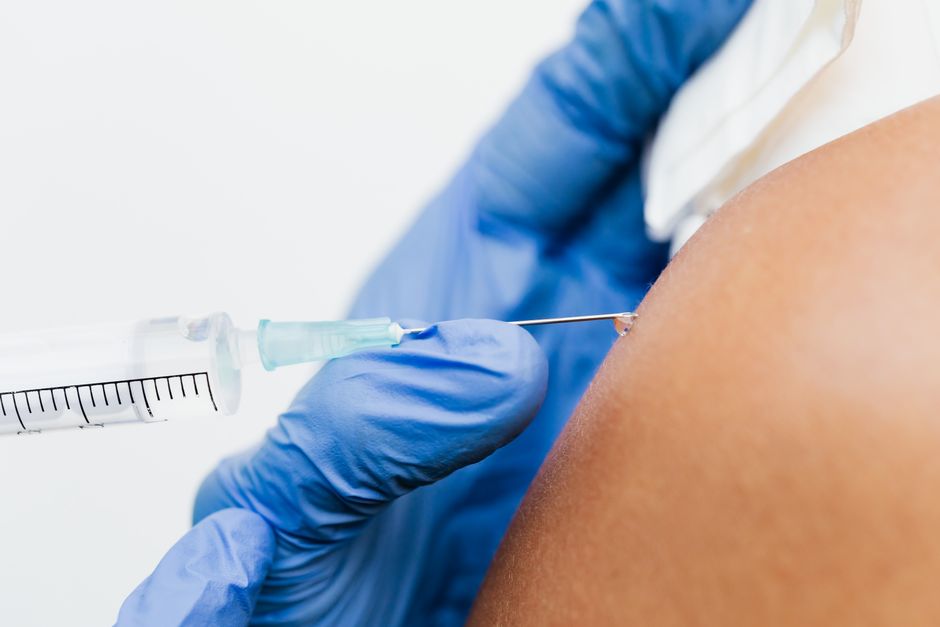
Cortisone injections are not inherently bad for you. They are a well-established medical treatment that reduces inflammation and pain in specific joints and soft tissues. The real question is not whether they are dangerous, but whether they are appropriate for your particular problem, and how often you receive them. Used correctly, they help many people. Used too often or for the wrong condition, they can cause harm.
What Is a Cortisone Injection Actually Doing?
Cortisone is a synthetic version of cortisol, a hormone your adrenal glands produce naturally. When injected into a joint, tendon sheath, or bursa, it suppresses the local inflammatory response. That means less swelling, less immune cell activity, and often less pain.
The relief is not a cure. It is a temporary interruption of an inflammatory cycle. The underlying problem — arthritis, tendon damage, a pinched nerve root — does not disappear. For some conditions, calming the inflammation long enough lets you move and rehabilitate the area. For others, the injection only masks a problem that needs a different solution.
Most injections combine a corticosteroid with a local anesthetic. The anesthetic numbs the area within minutes. The steroid takes one to three days to reach full effect. Pain relief typically lasts from several weeks to a few months, though this varies widely depending on the condition and the person.
Are Cortisone Injections Bad for Your Joints?
Repeated injections into the same joint can damage cartilage over time. This is the most well-documented concern, and it is real. The evidence comes largely from animal studies and from observational research in humans, but the pattern is consistent enough that most clinical guidelines recommend limiting how often a single joint is injected.
A common clinical practice is to avoid more than three or four injections into the same joint per year. This is not a universal rule backed by a single definitive trial. It reflects accumulated clinical experience and concerns about cumulative cartilage effects. Some clinicians are more conservative. Some are less.
There is an important nuance here. The joint damage seen with repeated injections may partly reflect the underlying disease process rather than the steroid itself. People who need frequent injections often have progressive arthritis that would worsen regardless. Separating the drug’s effect from the disease’s natural course is difficult, and researchers have not fully resolved this question.
What is clearer is that a single injection, or occasional injections spaced months apart, has not been shown to cause meaningful joint destruction in most people. The risk scales with frequency and cumulative dose.
What Are the Real Risks and Side Effects?
Most side effects are local and temporary. Pain at the injection site, a brief flare of inflammation in the first day or two, and skin changes are the most common.
Skin and soft tissue changes deserve specific mention. Cortisone can cause fat atrophy under the skin, leaving a dimple or dent at the injection site. It can also cause lightening of the skin, particularly in people with darker skin tones. These changes are often permanent. They are more common with superficial injections and less common with deeper joint injections.
Less common but more serious risks include:
- Infection — septic arthritis is rare, estimated at roughly 1 in 10,000 to 1 in 50,000 injections, but it is a medical emergency when it occurs.
- Tendon rupture — injecting directly into a tendon can weaken it. This is why tendon injections are done with caution and often avoided in certain tendons, such as the Achilles.
- Facial flushing — a temporary reddening of the face that can occur in the days after injection.
- Elevated blood sugar — a concern for people with diabetes. Blood glucose can rise for several days after an injection.
- Suppressed adrenal function — rare with occasional injections, but possible with frequent or high-dose use.
Systemic effects are uncommon with a single local injection because the dose is small and stays mostly in the treated area. But “mostly” is not “entirely.” Some steroid does enter the bloodstream, which is why blood sugar and blood pressure can be affected temporarily.





Who Should Avoid or Be Cautious About Cortisone Injections?
Certain conditions make injections riskier. Active infection near the injection site is a clear contraindication. So is a known allergy to the steroid or the anesthetic used.
People with poorly controlled diabetes should discuss the blood sugar effects with their doctor before proceeding. The rise is usually temporary, but it can be significant for some people.
People taking blood-thinning medications may face a slightly higher risk of bleeding or bruising at the injection site. This is usually manageable but should be discussed in advance.
Injections near certain tendons carry higher rupture risk. The Achilles tendon and some other major tendons are generally approached with extra caution or avoided. This is a clinical judgment call, not an absolute rule.
If you have a joint replacement, injections into or near the prosthetic joint are typically avoided because of infection risk. Some surgeons permit them under specific circumstances, but this varies.
How Do Cortisone Injections Compare to Other Treatments?
Cortisone injections are one option among several for inflammatory joint and soft tissue conditions. They are not always the best first choice, and they are not always necessary.
Physical therapy, anti-inflammatory medications, activity modification, and in some cases surgery may be equally or more appropriate depending on the diagnosis. For osteoarthritis of the knee, for example, guidelines from major medical organizations generally recommend exercise and weight management as first-line approaches, with injections reserved for flares or when other measures fail.
The comparison depends entirely on what is being treated. For acute gout, a cortisone injection can be highly effective. For chronic tendinopathy, the evidence is more mixed, and some research suggests injections may not outperform physical therapy in the long run.
One non-obvious point: cortisone injections are sometimes used diagnostically. If pain disappears after an injection into a specific structure, it helps confirm that structure is the pain source. This is a legitimate use even when long-term treatment is not the goal.
Do Cortisone Injections Weaken the Immune System?
A single local injection does not meaningfully suppress your overall immune system. The dose is too small and too localized to have that effect in most people.
However, frequent injections or high cumulative doses can have systemic effects over time. This is more of a concern with oral steroids than with injections, but it is not zero with injections either. If you are receiving multiple injections in a short period, it is reasonable to ask your doctor about cumulative exposure.
The infection risk from a single injection is primarily local — introducing bacteria into the joint — not a generalized immune suppression. That distinction matters.
How Often Is Too Often?
There is no universally accepted maximum. Clinical practice generally favors spacing injections at least three months apart in the same joint, and limiting total injections per year. Some clinicians use a lifetime limit for certain joints, though this is not standardized.
The reasoning is cumulative risk. Each injection carries a small chance of infection, skin changes, and cartilage effects. More injections mean more cumulative exposure. The goal is to use the smallest number that provides meaningful benefit.
If you find yourself needing frequent injections to function, that is a signal to reassess the underlying problem. It may mean the diagnosis needs revisiting, or that a different treatment approach is warranted.
What Should You Ask Before Getting One?
Ask what condition is being treated and what the expected benefit is. Ask how many injections you have already had in that joint or area. Ask what the alternatives are and whether they have been tried.
Ask about the specific risks for your situation — diabetes, blood thinners, prior reactions, or tendon involvement. Ask what to watch for afterward, particularly signs of infection like increasing pain, swelling, redness, or fever.
These are reasonable questions. A good clinician will answer them without defensiveness.
Frequently Asked Questions
Are cortisone injections safe?
For most people, a single cortisone injection is safe and well tolerated. Risks increase with frequency, dose, and the specific location being injected.
Can cortisone injections cause permanent damage?
Repeated injections into the same joint have been associated with cartilage damage, and skin changes at the injection site can be permanent. A single injection is unlikely to cause lasting harm in most cases.
How long do cortisone injections last?
Pain relief typically lasts from several weeks to a few months, though this varies widely depending on the condition and the individual. Some people get longer relief, some shorter.
Do cortisone injections weaken tendons?
Injecting directly into a tendon can weaken it and, in rare cases, lead to rupture. This is why some tendons, such as the Achilles, are injected with extra caution or avoided altogether.
