
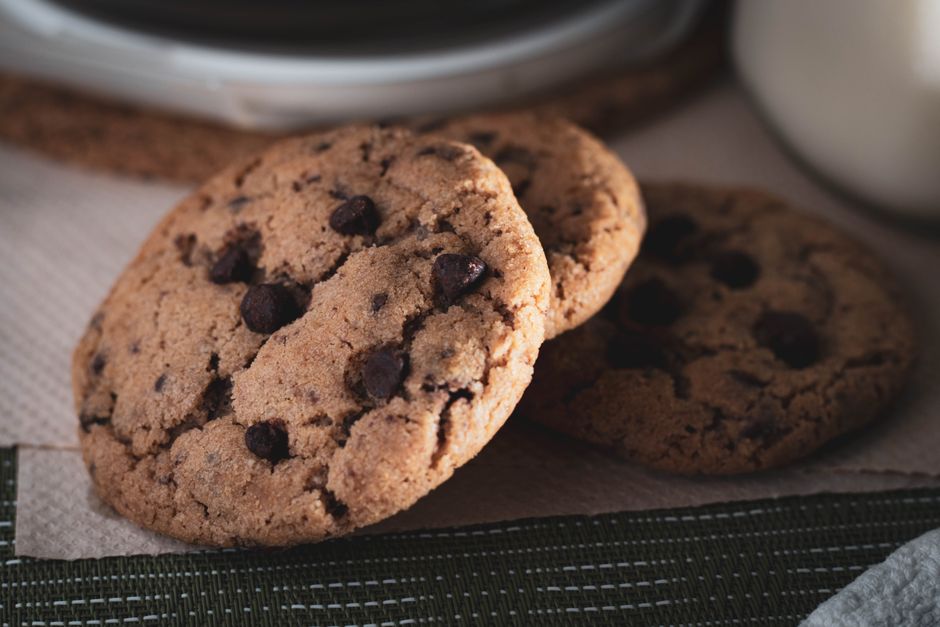
If you are buying chocolate chips because you need to avoid gluten, the short answer is that plain chocolate chips are usually gluten free. But that does not mean every bag on the shelf is safe. Chocolate itself is made from cocoa beans, sugar, and often cocoa butter or milk — none of which contain gluten. The risk comes from additives, flavorings, and the facility where the chips are made.
What Does Gluten Free Actually Mean on a Label?
In the United States, the Food and Drug Administration (FDA) sets the standard for what can legally be called “gluten free.” A product with this label must contain less than 20 parts per million (ppm) of gluten. That is the threshold at which most people with celiac disease do not experience symptoms or intestinal damage, according to current clinical understanding.
That 20 ppm standard applies to packaged foods like chocolate chips. If a bag says “gluten free,” the manufacturer is legally responsible for making sure it meets that limit. This includes checking ingredients and testing for cross-contamination during production.
If the label does not say gluten free, you cannot assume the product is safe. Some chocolate chips contain wheat-based ingredients, and many are made on shared equipment with wheat products.
Which Chocolate Chip Ingredients Contain Gluten?
Plain semi-sweet, dark, and milk chocolate chips typically contain only a few ingredients: chocolate liquor, cocoa butter, sugar, lecithin (usually from soy), and vanilla. None of these contain gluten.
The problems start when manufacturers add other things. Common gluten-containing additives in chocolate chips include:
- Wheat flour or barley malt as a thickener or flavoring
- Cookie pieces or pretzel pieces in specialty chips
- Natural flavors that may use barley or wheat derivatives
- Malt flavoring, which is made from barley
Barley malt is the most common hidden source. Some chocolate manufacturers add malt to milk chocolate or to certain “malted” chocolate chip varieties. Always check the ingredient list for the word “malt” — it is never gluten free.
Why Cross-Contamination Is the Real Risk
Even when the ingredients are clean, the production process can introduce gluten. Many chocolate manufacturers also produce products that contain wheat, such as candy bars with cookie pieces, wafer layers, or pretzel bits. If the same equipment is used without thorough cleaning between runs, gluten can end up in the chocolate chips.
This is why the “gluten free” label matters more than the ingredient list alone. A manufacturer can use entirely gluten free ingredients but still fail the FDA standard if cross-contamination pushes the final product above 20 ppm.
Some brands voluntarily test their finished products for gluten. Others rely on ingredient sourcing and cleaning procedures. Both approaches can be valid, but testing provides stronger assurance.





Are All Major Chocolate Chip Brands Gluten Free?
Not all, but many of the most common brands are. Nestlé Toll House semi-sweet morsels are labeled gluten free. Ghirardelli semi-sweet and bittersweet chocolate chips are also labeled gluten free. Enjoy Life brand chocolate chips are made in a dedicated facility free from gluten and other major allergens.
Store brands vary widely. Some supermarket private-label chocolate chips are labeled gluten free, while others are not. You cannot rely on the brand name alone — you must check each specific product label.
White chocolate chips and butterscotch chips deserve extra caution. These products have more ingredients than plain dark or semi-sweet chips, and the flavoring systems used in them sometimes contain gluten. Some brands are gluten free, but many are not.
Do You Need Certified Gluten Free Chocolate Chips?
Certified gluten free means a third-party organization, such as the Gluten-Free Certification Organization (GFCO), has verified the product meets stricter standards — often below 10 ppm rather than the FDA’s 20 ppm. Certification also involves regular facility audits and testing.
For most people with celiac disease, a product labeled gluten free under FDA rules is safe. The 20 ppm threshold is based on clinical research showing it does not cause intestinal damage in the vast majority of people with celiac disease.
However, some people remain sensitive even at levels below 20 ppm. If you are among them, or if you simply want the strongest assurance possible, certified gluten free products are the safer choice. They are not required, but they offer an extra layer of verification.
Are Chocolate Chips Gluten Free When Used in Baking?
Baking with gluten free chocolate chips does not change their gluten status. If the chips are gluten free when they come out of the bag, they remain gluten free after being baked into cookies, brownies, or muffins.
The risk in baking comes from the other ingredients. Your flour, baking powder, and even your oats must also be gluten free. Cross-contamination can also happen in your own kitchen if you bake gluten free items on surfaces or with tools that have touched wheat flour.
One practical note: if you are baking for someone with celiac disease, check every ingredient in the recipe, not just the chocolate chips. A single source of gluten in the flour or leavening agent will make the entire batch unsafe.
What About Chocolate Chips in Restaurants and Packaged Foods?
Chocolate chips appear in many foods beyond homemade cookies. Pancakes, muffins, granola bars, ice cream, and trail mixes all commonly contain them. In these cases, the chocolate chips themselves may be gluten free, but the surrounding food often is not.
Ice cream is a frequent source of confusion. Plain chocolate chip ice cream may be gluten free, but “chocolate chip cookie dough” ice cream is not, because the cookie dough contains wheat. Similarly, granola bars with chocolate chips usually contain oats or wheat-based ingredients that make the whole bar unsafe.
In restaurants, you should never assume a dessert with chocolate chips is gluten free. The dessert base — such as a cake, brownie, or pancake — almost always contains wheat unless the menu specifically states otherwise. Ask about the base, not just the chips.
How to Read a Chocolate Chip Label Quickly
Reading labels becomes faster once you know what to look for. Use this sequence:
- Look for the words “gluten free” on the front or back of the package
- Scan the ingredient list for wheat, barley, rye, malt, or “natural flavors” without a specified source
- Check for an allergen statement mentioning wheat
- Look for a certification symbol if you want third-party verification
If the label says gluten free and the ingredient list is clean, the product is safe for most people avoiding gluten. If there is no gluten free label, contact the manufacturer or choose a different brand. Guessing is not worth the risk.
What If You Accidentally Eat Chocolate Chips With Gluten?
If you have celiac disease and accidentally consume gluten, symptoms vary widely. Some people experience digestive distress within hours. Others have no immediate symptoms but still sustain intestinal damage that takes weeks to heal.
There is no treatment to neutralize gluten once it is eaten. The standard approach is to wait for symptoms to resolve and return to a strict gluten free diet immediately. Staying well hydrated and eating simple, easily digestible foods can help if you feel unwell.
Symptoms typically resolve within a few days, though intestinal healing takes longer. If symptoms are severe, last more than a few days, or include signs of dehydration, contact your healthcare provider.
Are There Gluten Free Alternatives to Traditional Chocolate Chips?
If you cannot find a chocolate chip brand you trust, or if you want more variety, several alternatives exist. Cacao nibs are crushed raw cocoa beans with no added ingredients — they are naturally gluten free but have a bitter, less sweet taste than chocolate chips.
Chopped chocolate bars are another option. Many high-quality chocolate bars are labeled gluten free, and you can chop them into chip-sized pieces at home. This gives you more control over the chocolate quality and flavor.
Carob chips are sometimes used as a chocolate substitute. They are naturally gluten free, but they taste different from chocolate and may contain added ingredients, so label reading is still necessary.
Frequently Asked Questions
Are all chocolate chips gluten free?
No, not all chocolate chips are gluten free. Plain semi-sweet and dark chocolate chips are often gluten free, but some varieties contain barley malt, wheat flour, or are made on shared equipment with wheat products.
Can people with celiac disease eat chocolate chips?
Yes, people with celiac disease can eat chocolate chips that are labeled gluten free and meet the FDA standard of less than 20 ppm of gluten. Certified gluten free chips offer even stronger assurance for those who are highly sensitive.
Are Nestlé Toll House chocolate chips gluten free?
Nestlé Toll House semi-sweet morsels are labeled gluten free. Other varieties from the same brand may not be, so check the label on each specific product.
Is barley malt in chocolate chips gluten free?
No, barley malt is never gluten free. Barley contains gluten, and any product listing malt or malt flavoring among its ingredients is not safe on a gluten free diet.
