
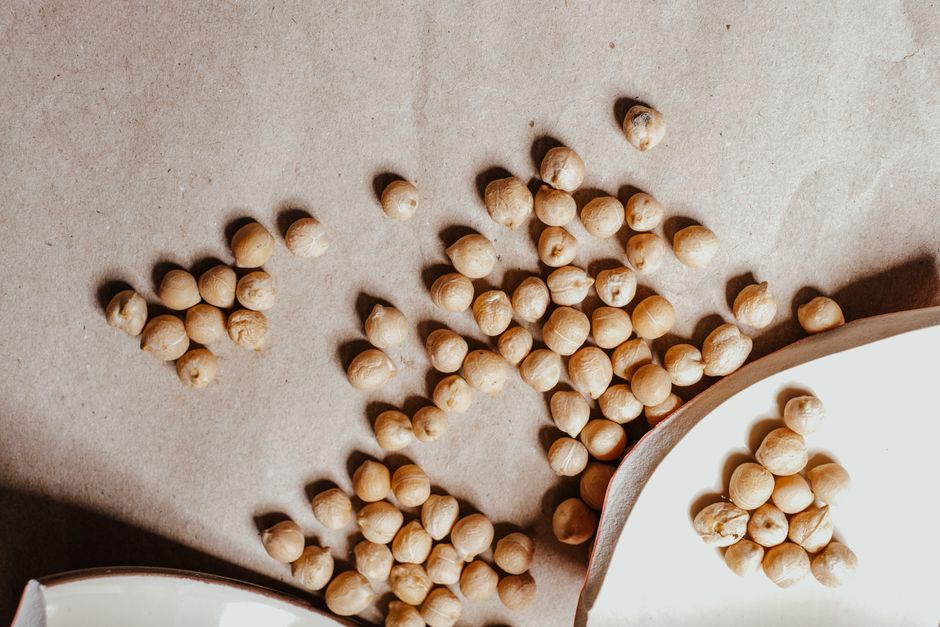
Chickpeas are moderately high in carbohydrates, but that is not the whole story. A half-cup serving of cooked chickpeas contains about 22-27 grams of carbs. That puts them in the same range as other starchy legumes like black beans or lentils. But here is what most carb-counting charts do not tell you: chickpeas are also high in fiber and resistant starch, which changes how your body processes those carbs.
How Many Carbs Are in Chickpeas Exactly?
A standard serving of cooked chickpeas is half a cup. That serving has roughly 22-27 grams of total carbohydrates. For comparison, a slice of white bread has about 14 grams of carbs. So chickpeas are not low-carb by any measure.
But the type of carbs matters. Of those 22-27 grams, about 6-8 grams are dietary fiber. Fiber is a carbohydrate that your body does not digest. It passes through your system without raising blood sugar. That leaves about 14-19 grams of net carbs per serving. Net carbs is total carbs minus fiber. This is the number that actually affects blood sugar.
Canned chickpeas and dried chickpeas cooked at home have similar carb counts. The main difference is sodium. Canned versions often have added salt. Rinsing them reduces sodium by about 40 percent.
Are Chickpeas High in Carbs Compared to Other Foods?
Compared to non-starchy vegetables like broccoli or spinach, chickpeas are much higher in carbs. Broccoli has about 3 grams of net carbs per half-cup. Chickpeas have about 14-19 grams. So if you are on a strict low-carb diet like keto, chickpeas are hard to fit in.
Compared to other legumes, chickpeas are similar. Lentils have about 18 grams of net carbs per half-cup. Black beans have about 13-15 grams. Kidney beans are around 17 grams. Chickpeas are not the highest or lowest among legumes. They are right in the middle.
Compared to grains like rice or pasta, chickpeas are actually lower in net carbs. Half a cup of cooked white rice has about 22 grams of net carbs. That is more than chickpeas. And chickpeas have more fiber and protein than rice. So for blood sugar control, chickpeas are generally a better choice than refined grains.
Do Chickpeas Spike Blood Sugar?
For most people, chickpeas do not spike blood sugar the way white bread or sugary foods do. This is because of their glycemic index. The glycemic index measures how quickly a food raises blood sugar. Chickpeas have a low GI, typically around 28-32. Low GI is 55 or below.
The reason is the fiber and resistant starch. Fiber slows down digestion. Resistant starch is a type of carbohydrate that resists digestion in the small intestine. It reaches the large intestine mostly intact. This means the glucose from chickpeas enters your bloodstream slowly, not all at once.
One study found that eating chickpeas with a high-GI meal actually blunted the blood sugar spike from that meal. This is a real effect. It does not mean chickpeas cancel out sugar. But for most people, they are a blood-sugar-friendly carb source.
If you have diabetes or insulin resistance, portion size still matters. Half a cup is reasonable. Two cups is a lot of carbs regardless of the source. Your individual response may also vary. Some people with type 2 diabetes find that even moderate amounts of legumes raise their blood sugar more than expected. Testing your own response with a glucose monitor is the most reliable approach.




What About Chickpea Flour and Hummus?
Chickpea flour, also called gram flour or besan, is made from ground dried chickpeas. It is more concentrated than cooked chickpeas. A quarter-cup of chickpea flour has about 22 grams of total carbs and 5 grams of fiber. That is about 17 grams of net carbs. It is still lower than wheat flour, which has about 24 grams of net carbs per quarter-cup. But it is not low-carb.
Hummus is made from chickpeas, tahini, olive oil, and lemon juice. The oil and tahini add fat, which lowers the carb density. A two-tablespoon serving of hummus has about 4-6 grams of total carbs and 1-2 grams of fiber. That is roughly 3-4 grams of net carbs. Hummus is a reasonable option even for people watching carbs, as long as portions stay small.
Roasted chickpea snacks are a different story. They are often coated in oil and salt, and the drying process concentrates the carbs. A half-cup of roasted chickpeas can have 30-35 grams of total carbs. They are easy to overeat because they are crunchy and snackable. If you are counting carbs, roasted chickpeas are not the best choice.
Are Chickpeas a Good Carb Source?
The answer depends on your goals. If you are an athlete or active person who needs sustained energy, chickpeas are an excellent carb source. They provide slow-release energy, fiber for gut health, and decent protein for muscle repair. A cup of cooked chickpeas has about 15 grams of protein. That is more than most grains or vegetables.
If you are trying to lose weight, chickpeas can help. The fiber and protein increase satiety. People who eat legumes tend to feel fuller for longer. One analysis of clinical trials found that eating about one serving of legumes per day led to modest weight loss over several weeks, without intentional calorie restriction.
If you are on a very low-carb diet for medical reasons like epilepsy or certain metabolic conditions, chickpeas likely do not fit. The carb load is too high for ketosis. But for most people, chickpeas are a nutrient-dense carb that supports health better than refined alternatives.
What About Antinutrients in Chickpeas?
Chickpeas contain compounds called phytates and lectins. These are often called antinutrients because they can reduce absorption of minerals like iron and zinc. This is a real concern if chickpeas are a major part of your diet and you eat them without proper preparation.
But the effect is smaller than many online sources claim. Cooking reduces lectin activity significantly. Soaking dried chickpeas overnight and then boiling them for at least 45 minutes reduces phytates as well. Canned chickpeas are already cooked, so the antinutrient levels are low.
For most people eating a varied diet, antinutrients in chickpeas are not a problem. The mineral absorption issue mainly matters if you rely on legumes as your primary protein source and eat them raw or undercooked. That is not how most people eat chickpeas.
Should You Avoid Chickpeas for Carbs?
Unless you are on a strict medical low-carb diet, there is no reason to avoid chickpeas because of their carb content. They are a whole food with fiber, protein, vitamins, and minerals. The carbs come packaged with nutrients that slow their digestion and support health.
The real problem in the standard American diet is not chickpeas. It is added sugar, refined flour, and ultra-processed foods. Swapping refined carbs for chickpeas is a net positive for most people. A lentil or chickpea-based meal will almost always beat a white pasta or white rice meal for blood sugar control and satiety.
That said, portion awareness matters. A bowl of hummus with pita is not the same as a measured serving. If you are eating chickpeas as part of a balanced plate — a quarter of the plate as legumes, a quarter as protein, half as vegetables — you are in a good range for most health goals.
Frequently Asked Questions
Are chickpeas keto-friendly?
No, chickpeas are not keto-friendly because a half-cup serving has about 14-19 grams of net carbs, which is too high for maintaining ketosis. Most keto diets limit net carbs to 20-50 grams per day.
Can diabetics eat chickpeas?
Yes, most people with diabetes can eat chickpeas in moderate portions because their low glycemic index and high fiber content help prevent blood sugar spikes. A half-cup serving is a reasonable amount to start with, and checking your individual blood sugar response is recommended.
Are canned chickpeas as healthy as dried?
Canned chickpeas are nearly as healthy as dried, with similar carb and fiber content, but they often contain added sodium. Rinsing canned chickpeas for 30 seconds under cold water reduces sodium by about 40 percent.
Do chickpeas cause bloating?
Some people experience bloating from chickpeas because of their high fiber and oligosaccharide content, which ferments in the gut. Soaking dried chickpeas overnight and discarding the water, or rinsing canned chickpeas, can reduce these effects.
