
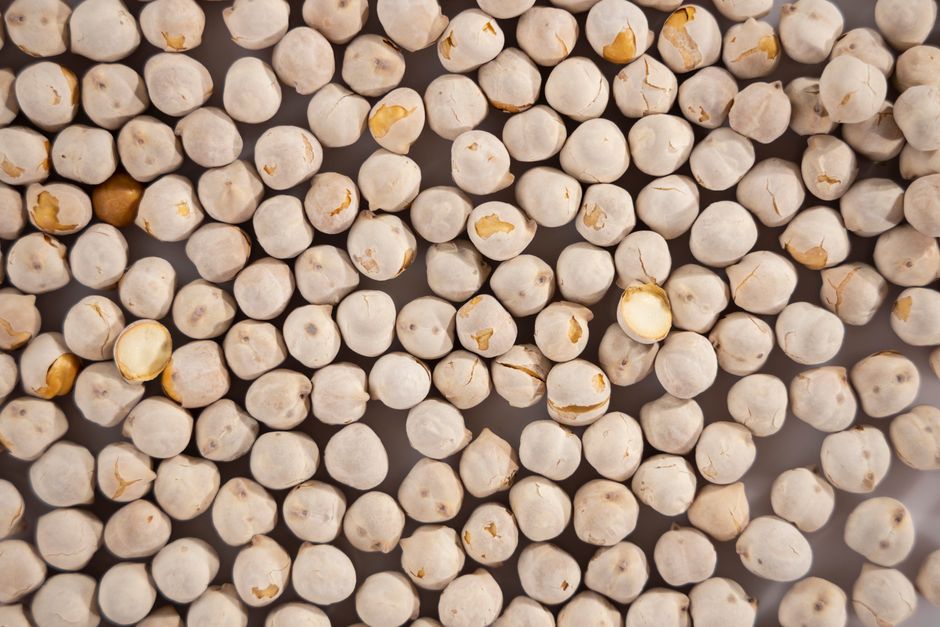
Yes. Chickpeas and garbanzo beans are the same thing. “Garbanzo” comes from Spanish, while “chickpea” traces back through French and Latin roots. Both words describe the round, beige legume with a nutty flavor and firm texture that you’ll find in hummus, curries, salads, and roasted snack packs.
If you’ve ever stood in a grocery aisle wondering whether you needed one can or two, you weren’t confused — you were looking at the same product with two names. In the United States, “garbanzo bean” is more common on canned goods, while “chickpea” dominates in recipes and restaurant menus. In the United Kingdom, Australia, and most of the English-speaking world, “chickpea” is the standard term. The scientific name is Cicer arietinum, and it’s the only species in its genus grown for food.
Why Do Chickpeas Have Two Names?
The naming split is a story about language and trade routes, not biology. Chickpeas were domesticated in the Fertile Crescent region of the Middle East roughly 7,000 to 8,000 years ago, making them one of the oldest cultivated crops in human history. From there, they spread along trade routes into Europe, Africa, and Asia.
Different cultures gave the legume different names as it traveled. The Spanish adopted “garbanzo,” likely derived from an older Iberian or Basque word. The English word “chickpea” evolved from the French “pois chiche,” which itself came from the Latin “cicer.” Over centuries, both names stuck in different regions and different culinary traditions.
In the US, the Spanish-influenced “garbanzo” became common in the Southwest and in Mexican cooking contexts. “Chickpea” arrived through British and European culinary channels. Both names refer to the same two main varieties: the larger, lighter kabuli type (common in US grocery stores) and the smaller, darker desi type (more common in India, Ethiopia, and parts of the Middle East).
One clarification worth making: the term “garbanzo bean” is technically a misnomer. Chickpeas are legumes, like lentils and peanuts, not true beans. But common usage doesn’t follow botanical rules, and the name stuck.
Are Chickpeas and Garbanzo Beans Nutritionally Identical?
Yes, because they are the same food. One cup of cooked chickpeas provides approximately 269 calories, 14.5 grams of protein, 12.5 grams of fiber, and 4.7 grams of fat, according to USDA nutritional data. These numbers apply whether the can says “chickpeas” or “garbanzo beans.”
Chickpeas are a strong source of plant protein and one of the better fiber sources among common legumes. That fiber is mostly soluble, which is the type linked to slower digestion and more gradual blood sugar rises after a meal. They also contain folate, iron, phosphorus, and manganese.
Here’s a comparison with other common legumes, per one cup cooked:
| Legume | Calories | Protein | Fiber |
|---|---|---|---|
| Chickpeas (garbanzo beans) | 269 | 14.5 g | 12.5 g |
| Lentils | 230 | 17.9 g | 15.6 g |
| Black beans | 227 | 15.2 g | 15.0 g |
| Kidney beans | 225 | 15.3 g | 13.1 g |
Chickpeas hold their shape better than lentils when cooked, which is why they work in salads and roasted preparations where lentils would fall apart. That’s a culinary difference, not a nutritional one.
What’s the Difference Between Kabuli and Desi Chickpeas?
There are two main types of chickpeas, and the distinction matters if you’re shopping for specific recipes. Kabuli chickpeas are larger, rounder, and lighter in color — cream to beige. These are what you’ll find in most American and European grocery stores, whether canned or dried. They’re the standard choice for hummus, salads, and roasting.
Desi chickpeas are smaller, darker (often brown or black), and have a rougher seed coat. They’re more common in India, Ethiopia, and parts of the Middle East. Desi chickpeas are typically split and sold as chana dal, or ground into flour (besan) used for flatbreads, fritters, and sweets. They have a slightly nuttier, earthier flavor than kabuli types.
Both types offer similar nutrition. The difference is mainly size, color, texture, and how they’re used in cooking.



Do Chickpeas Cause Gas?
Yes, for many people. Chickpeas contain oligosaccharides — specifically raffinose and stachyose — which are complex sugars that human digestive enzymes cannot break down. They pass undigested into the large intestine, where gut bacteria ferment them. That fermentation produces gas.
This is normal and not a sign of a problem. The same mechanism applies to beans, lentils, and other legumes. Some people adapt over time as their gut bacteria adjust to regular legume intake. Others don’t, and that’s also normal.
Practical approaches that some people find helpful include:
- Soaking dried chickpeas and discarding the soaking water before cooking
- Rinsing canned chickpeas thoroughly before use
- Starting with smaller portions and increasing gradually
- Using products marketed as “digestive aid” supplements containing alpha-galactosidase, an enzyme that breaks down these sugars — though evidence on how well these work for everyone is mixed
None of these eliminate gas entirely for all people. They may reduce it. Individual results vary considerably.
Are Canned and Dried Chickpeas Different?
Nutritionally, they’re close. Canned chickpeas are cooked and ready to eat. Dried chickpeas require soaking and cooking, typically simmering for one to two hours depending on the method and desired texture.
The main differences are sodium, texture, and convenience. Canned chickpeas often contain added salt — sometimes significant amounts. Rinsing them for about a minute can reduce surface sodium, but it won’t remove sodium absorbed into the bean during canning. If sodium intake is a concern, look for no-salt-added varieties or cook dried chickpeas yourself.
Texture is another difference. Canned chickpeas are softer and more uniform. Dried chickpeas cooked at home can be firmer and hold their shape better, which matters for certain dishes. Some people also find the flavor of home-cooked dried chickpeas slightly better, though this is subjective.
A non-obvious point: the liquid in a can of chickpeas — called aquafaba — has become popular as an egg replacer in vegan baking. It whips into foam and can mimic egg whites in some recipes. This is a real functional property, not a marketing claim. Whether it works well depends on the specific recipe and the brand of chickpeas.
Is “Garbanzo Bean Flour” the Same as “Chickpea Flour”?
Yes. Both terms describe flour made from ground chickpeas. In Indian cooking, it’s called besan and is made from desi chickpeas. In Middle Eastern and Mediterranean cooking, chickpea flour appears in dishes like socca (a French flatbread) and falafel.
Chickpea flour is naturally gluten-free, high in protein and fiber, and has a distinctive earthy flavor. It behaves differently from wheat flour in baking — it doesn’t form gluten, so it can’t replace wheat flour one-to-one in most recipes without adjustments. It works best in recipes designed for it, like flatbreads, fritters, and some quick breads.
Some brands label their product “garbanzo bean flour” and others “chickpea flour.” The product inside is the same. The only variable is which type of chickpea was used — kabuli or desi — which can affect color and flavor slightly.
Are There Any Health Concerns With Chickpeas?
For most people, chickpeas are a healthy, well-tolerated food. There are a few things worth knowing.
Chickpeas contain phytates, which are compounds that bind to minerals like iron and zinc and can reduce their absorption. This is true of all legumes and whole grains. For people eating a varied diet, the effect is generally not a concern. For those relying heavily on legumes as a primary mineral source — particularly vegetarians and vegans — it’s worth being aware of. Soaking, sprouting, and fermenting can reduce phytate content.
Chickpeas also contain lectins, though cooking destroys most of them. Raw or undercooked chickpeas can cause digestive distress. Canned chickpeas are already cooked and safe to eat straight from the can. Dried chickpeas must be cooked thoroughly — not just soaked.
People with kidney disease may need to monitor potassium and phosphorus intake, and chickpeas are sources of both. Anyone with a diagnosed digestive condition like IBS may find chickpeas trigger symptoms due to their oligosaccharide content. These are individual considerations, not universal warnings.
Does It Matter Which Word You Use?
Not for any practical purpose. If a recipe calls for chickpeas and you have a can of garbanzo beans, use them. If a store clerk looks confused when you ask for garbanzo beans, try chickpeas. The only place the distinction might matter is in very specific cultural or regional contexts, and even there, the difference is naming convention, not substance.
The one thing worth paying attention to is the type — kabuli versus desi — if a recipe specifically calls for one. But for most home cooking, either works. The legume inside the can or bag is the same plant, Cicer arietinum, regardless of what the label says.
Frequently Asked Questions
Are chickpeas and garbanzo beans the same thing?
Yes, they are two names for the same legume, Cicer arietinum. “Garbanzo” comes from Spanish, and “chickpea” comes from French and Latin roots.
Why are they called garbanzo beans if they’re not beans?
Chickpeas are legumes, not true beans, but common usage doesn’t follow botanical classification. The name “garbanzo bean” became standard in US grocery labeling and stuck.
Is chickpea flour the same as garbanzo bean flour?
Yes, both are made from ground chickpeas and are functionally identical. The only difference may be which variety — kabuli or desi — was used, which can slightly affect color and flavor.
Do chickpeas and garbanzo beans have different nutrition?
No, because they are the same food. One cup of cooked chickpeas provides about 269 calories, 14.5 grams of protein, and 12.5 grams of fiber, according to USDA data.
