
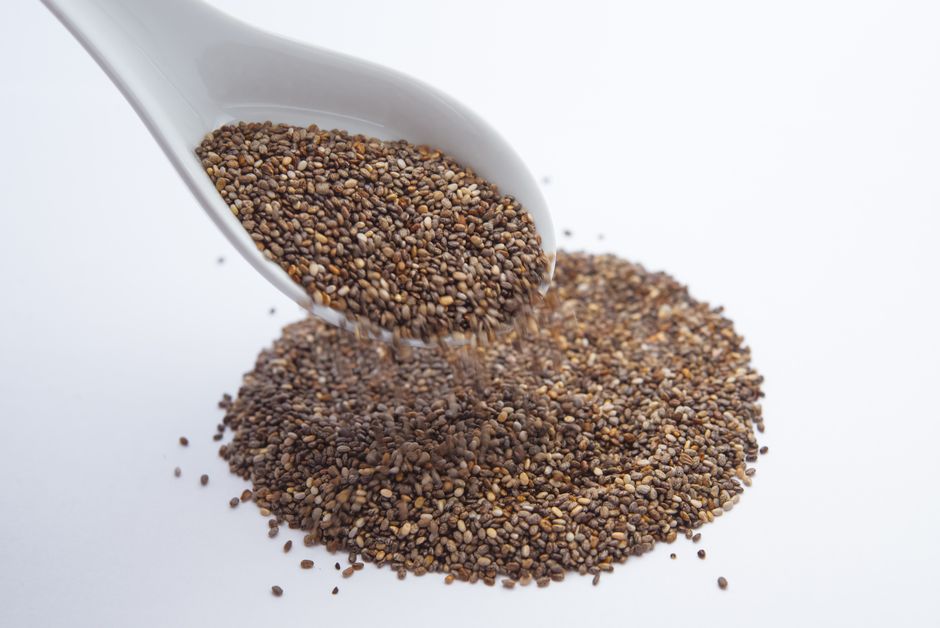
Chia seeds are a keto-friendly food. A two-tablespoon serving contains about 12 grams of total carbohydrates, but roughly 10 of those grams are dietary fiber. That leaves only about 2 grams of net carbohydrates, which fits easily into a standard ketogenic diet that typically allows 20 to 50 grams of net carbs per day. This makes chia seeds one of the most versatile and practical seeds for anyone following a low-carb or ketogenic eating pattern.
What Are the Exact Carb Counts in Chia Seeds?
The numbers matter when you are tracking ketosis. According to USDA nutritional data, a standard two-tablespoon serving of chia seeds (about 28 grams) contains approximately 12 grams of total carbohydrates. Fiber accounts for about 10 grams of that total.
Net carbohydrates are calculated by subtracting fiber from total carbs because fiber is not digested and does not raise blood sugar. This leaves roughly 2 grams of net carbs per serving. That is an exceptionally low number for a food that provides significant volume and texture.
For comparison, the same serving size of flaxseed contains about 4 grams of net carbs. Hemp seeds contain about 1 gram of net carbs per two tablespoons. Chia seeds sit comfortably within this range, making them a reliable choice for keto meal planning.
How Do Chia Seeds Affect Blood Sugar and Ketosis?
Chia seeds have a minimal effect on blood glucose. The small amount of digestible carbohydrate is absorbed slowly because the fiber and gel-forming properties of the seed slow gastric emptying. This means chia seeds do not cause the blood sugar spikes associated with refined grains or sugary foods.
Because ketosis depends on keeping carbohydrate intake low enough to shift the body toward fat metabolism, a food that contributes only 2 grams of net carbs per serving will not disrupt ketosis for most people. The exception is someone following an extremely strict version of keto with a very low daily carb limit who consumes multiple servings throughout the day without accounting for them.
One non-obvious detail: chia seeds absorb many times their weight in water, forming a gel. This gel slows digestion further. Some research suggests this property may help with satiety, meaning you feel full longer after eating them. Feeling full can reduce overall calorie intake, which supports weight management goals often paired with keto.
What Are the Best Ways to Eat Chia Seeds on Keto?
Chia seeds are remarkably adaptable. They have almost no flavor of their own, so they take on the taste of whatever you mix them with. This makes them easy to incorporate into a keto diet without adding unwanted carbs.
Popular keto-friendly options include:
- Chia pudding made with unsweetened almond milk or coconut milk and a low-carb sweetener like erythritol or stevia
- Added to smoothies for thickness and fiber without changing the flavor profile
- Sprinkled over salads for texture and a mild crunch
- Mixed into Greek yogurt for a thicker, more filling breakfast or snack
- Used as an egg substitute in keto baking by mixing one tablespoon of chia seeds with three tablespoons of water
Each of these uses keeps net carbs low while adding fiber, which many keto dieters struggle to get enough of. A common issue on keto is constipation due to low fiber intake from restricted fruits and grains. Chia seeds help address that directly.
Are There Any Downsides to Eating Chia Seeds on Keto?
Chia seeds are safe for most people, but there are a few considerations. The fiber content can cause digestive discomfort, including bloating or gas, especially if you are not used to high-fiber foods. Starting with a smaller serving and increasing gradually can help your digestive system adjust.
Chia seeds absorb water and expand. If you eat them dry, they can absorb moisture in your esophagus and potentially cause difficulty swallowing. This is rare but has been reported in medical literature. Always soak chia seeds in liquid or mix them thoroughly with moist food before eating. Never swallow a dry spoonful of chia seeds followed by water.
For people taking blood sugar-lowering medication, the fiber in chia seeds may slow glucose absorption in a way that could theoretically require medication adjustment. If you take diabetes medication, it is reasonable to mention your chia seed intake to your doctor. The evidence for significant interactions is limited, but transparency with your healthcare provider is always appropriate.
Do Chia Seeds Provide Any Nutritional Benefits Beyond Being Low-Carb?
Chia seeds are nutrient-dense beyond their carbohydrate profile. They are one of the best plant sources of omega-3 fatty acids, specifically alpha-linolenic acid. A two-tablespoon serving provides roughly 5 grams of omega-3s, which is a substantial amount for a plant food.
They also contain significant amounts of calcium, magnesium, phosphorus, and manganese. A two-tablespoon serving provides about 18 percent of the daily value for calcium and about 30 percent for magnesium, based on a 2,000-calorie daily diet. These minerals are important for bone health, muscle function, and energy metabolism.
Chia seeds are a complete protein source, meaning they contain all nine essential amino acids. This is uncommon among plant foods. However, the total protein per serving is modest at about 5 grams, so they should be viewed as a complement to other protein sources rather than a primary one.
How Do Chia Seeds Compare to Other Keto-Friendly Seeds?
If you are deciding between seeds on a keto diet, the differences are small but worth understanding. The table below compares the nutritional profiles of common seeds per two-tablespoon serving based on USDA data.
| Seed | Total Carbs | Fiber | Net Carbs | Protein |
|---|---|---|---|---|
| Chia seeds | 12 g | 10 g | 2 g | 5 g |
| Flaxseeds | 8 g | 4 g | 4 g | 3 g |
| Hemp seeds | 3 g | 2 g | 1 g | 10 g |
| Pumpkin seeds | 4 g | 2 g | 2 g | 8 g |
| Sesame seeds | 4 g | 2 g | 2 g | 4 g |
Hemp seeds offer the most protein per serving and the fewest net carbs. Flaxseeds have a similar nutritional profile to chia seeds but slightly more net carbs. Chia seeds stand out for their gel-forming ability, which is unique and useful in recipes where you want thickness or binding without added carbs.
Can Chia Seeds Help With Weight Loss on a Keto Diet?
Chia seeds may support weight loss indirectly, but they are not a magic weight-loss food. The fiber and gel formation increase satiety, which can help you eat fewer calories overall. One small study found that participants who consumed chia seeds with yogurt felt less hungry than those who ate yogurt alone. The evidence base is modest, and results have not been consistent across all studies.
What is clear is that chia seeds fit within a keto diet without adding meaningful carbohydrates. That alone makes them useful for anyone whose goal is to maintain ketosis while managing hunger. No food guarantees weight loss on its own. Chia seeds are a practical tool, not a solution.
Are There Any Claims About Chia Seeds That Are Not Supported by Evidence?
Marketing around chia seeds sometimes overstates their benefits. Some brands claim chia seeds can “detoxify” the body or “boost metabolism” in ways that clinical research does not support. No food detoxifies the body in the way these claims suggest. Your liver and kidneys handle detoxification through established physiological processes that do not require any specific food.
Claims that chia seeds can prevent or cure chronic diseases are not supported by adequate human trials. Some research suggests potential benefits for blood pressure and cholesterol, but the studies are small and the results are not definitive. Chia seeds are a healthy addition to most diets, but they are not medicine.
If you see a product label making dramatic health promises about chia seeds, treat those claims with skepticism. The honest position is that chia seeds are a nutritious, low-carb food with fiber, omega-3s, and minerals. That is enough to justify including them in your diet without needing exaggerated claims.
Frequently Asked Questions
Can I eat chia seeds every day on keto?
Yes, chia seeds can be eaten daily on a keto diet. A standard two-tablespoon serving contains only about 2 grams of net carbs, which fits easily into most daily carb limits.
How many net carbs are in chia seeds?
A two-tablespoon serving of chia seeds has about 12 grams of total carbs and 10 grams of fiber, leaving roughly 2 grams of net carbs. This makes them one of the lowest-carb seeds available.
Do chia seeds break ketosis?
No, chia seeds will not break ketosis for most people at normal serving sizes. Their 2 grams of net carbs per serving is well within the typical daily keto carbohydrate allowance of 20 to 50 grams.
Can I eat chia seeds dry on keto?
You should not eat chia seeds dry. They absorb water and expand, which can create a choking hazard if swallowed dry. Always soak them in liquid or mix them thoroughly into moist food before eating.
