
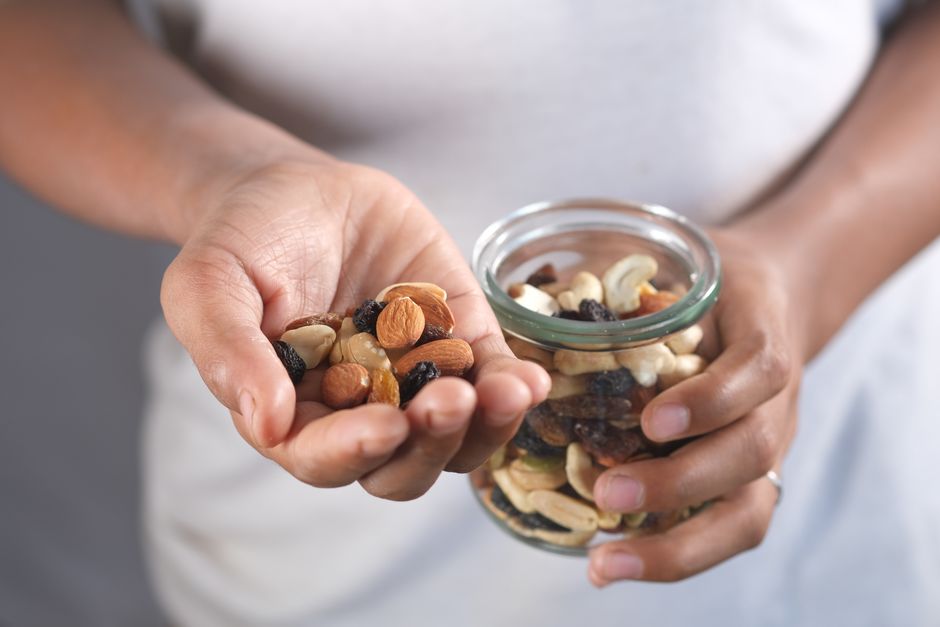
Cashews are not true nuts. Botanically, they are seeds — the edible kernel of a fruit that grows on a tropical evergreen tree. The confusion is fair, though, because in everyday language and on food labels, cashews sit right next to almonds, walnuts, and pecans under the same “nuts” heading.
That distinction is not just trivia. It matters for people with tree nut allergies, for anyone reading ingredient labels, and for understanding why cashews look and grow nothing like the nuts most of us picture.
Are Cashews a Nut or a Seed?
Cashews are seeds. Specifically, they are the seeds of the cashew tree, Anacardium occidentale, which is native to northeastern Brazil and now grown across tropical regions of Asia and Africa.
Here is where the cashew gets strange. The tree produces a fleshy, pear-shaped fruit called the cashew apple. It looks like a fruit you might bite into. But the actual seed does not grow inside it. Instead, the seed hangs off the bottom of the cashew apple, wrapped in a hard, kidney-shaped shell.
So what you buy in a bag as a “cashew” is the kernel removed from that shell. Botanically, a true nut is a fruit with a hard shell that does not open on its own to release the seed — think acorns or chestnuts. The cashew does not fit that definition. It is a seed that grows outside its fruit, which is unusual in the plant world.
Why Do People Call Cashews Nuts?
Because in the kitchen and at the grocery store, “nut” is a culinary term, not a botanical one. It describes a category of hard, edible, often snackable plant foods. Cashews fit that description perfectly, so they get grouped with the rest.
The same is true for many foods we call nuts:
- Peanuts are legumes — they grow underground in pods, related to beans and lentils.
- Almonds are seeds of a drupe fruit, related to peaches and plums.
- Pistachios are also seeds of a drupe.
- Walnuts and pecans are the seeds of drupes too.
True botanical nuts are a short list. Chestnuts, hazelnuts, and acorns are the classic examples. So when someone asks “are cashews a nut,” the honest answer depends on which definition you are using. Botanically, no. Culinarily, yes.
This is not a case of one answer being wrong. It is two different systems — botany and food culture — using the same word for overlapping but not identical groups.
Are Cashews Safe for People With Nut Allergies?
This is the question that actually matters for health, and the answer requires care. Cashews can trigger allergic reactions, including severe ones. For anyone with a diagnosed tree nut allergy, cashews are generally treated as something to avoid.
But the allergy picture is more specific than most people realize. Allergies are driven by proteins, and different plants contain different proteins. A person can be allergic to cashews and tolerate almonds, or react to walnuts but not pecans. Having one tree nut allergy does not automatically mean reacting to all of them.
That said, cashews belong to a plant family called Anacardiaceae, which also includes pistachios, mangoes, and poison ivy. People allergic to cashews sometimes react to pistachios because the proteins are similar. Some also react to mango skin, though this is less common.
If you have a tree nut allergy, the safe move is to follow the guidance of your allergist rather than assume. Do not test cashews at home to see what happens. A reaction can be unpredictable and serious.
For people without a cashew allergy, cashews are not inherently dangerous. The concern is specific to individuals with a diagnosed allergy or sensitivity.




Are Cashews Healthy?
Cashews provide real nutrition. They contain unsaturated fats, protein, fiber, and a range of minerals including magnesium, copper, and zinc. Like other nuts and seeds, they are calorie-dense, so portion size matters if you are watching your weight.
Here is a nutrient snapshot for a one-ounce serving (about 28 grams) of raw cashews, based on USDA data:
| Nutrient | Amount per 1 oz (28 g) |
|---|---|
| Calories | About 157 |
| Total fat | About 12 g |
| Protein | About 5 g |
| Carbohydrates | About 9 g |
| Fiber | About 1 g |
| Magnesium | About 83 mg |
| Copper | About 0.6 mg |
| Zinc | About 1.6 mg |
One thing worth flagging: most cashews sold in stores are roasted and salted. That adds sodium and sometimes oil. If sodium is a concern for you, unsalted varieties are the better choice.
Cashews are lower in fiber than almonds or walnuts. That is not a problem on its own, but if fiber is a goal, cashews are not the strongest pick in the nut-and-seed aisle. They are also relatively higher in carbohydrates than most nuts, which matters for some people managing blood sugar.
Claims that cashews do specific things — boost heart health, improve mood, support weight loss — are common in marketing. Some research on nuts and seeds in general suggests they can be part of a heart-healthy diet. Whether cashews specifically deliver those benefits on their own is less clear. The evidence for cashews as a standalone health intervention is limited.
Why Are Cashews Always Sold Without Their Shells?
Because the shell is genuinely hazardous to handle. The cashew shell contains a substance called anacardic acid, which is related to the compound in poison ivy that causes skin reactions. It can irritate skin and, in some cases, cause a rash similar to poison ivy.
That is why cashews are never sold in their shells the way peanuts or pistachios are. The shell has to be removed and the kernels processed — usually by roasting or steaming — before they are safe to eat. This processing step is a food safety measure, not just a convenience.
The cashew apple, meanwhile, is highly perishable and rarely shipped fresh. It is more often used locally to make juice, syrup, or a fermented drink. Most people outside tropical growing regions never see one.
Do Cashews Trigger the Same Reactions as Other Nuts?
Not necessarily. Cashew allergy is its own thing, driven by cashew proteins. Someone with a cashew allergy may or may not react to other tree nuts, and vice versa.
The overlap that does exist tends to run within the same plant family. Cashews and pistachios share enough protein structure that cross-reactivity is possible. That is why some allergists group them together when advising patients.
Peanuts are a separate case entirely. Peanuts are legumes, not tree nuts, and cashew allergy and peanut allergy are driven by different proteins. Having one does not mean having the other, though some people have both.
If you are unsure about your own allergy status, testing by a qualified allergist is the only reliable way to know. Guessing based on how a food is labeled or categorized can lead to unnecessary avoidance or, worse, an avoidable reaction.
What About Cashew Milk and Cashew Cheese?
These products are made from blended cashews and water, sometimes with added flavors and thickeners. They are popular in plant-based diets. For someone with a cashew allergy, they carry the same risk as whole cashews and should be avoided.
Nutritionally, cashew milk is much lower in protein than dairy milk and often lower than soy milk. It is closer to a flavored beverage than a protein source. If you are using it as a milk substitute, check the label for added sugar and whether it is fortified with calcium and vitamin D.
Cashew-based cheeses are typically higher in fat and calories than many people expect, since they are concentrated nuts. They can fit into a balanced diet, but they are not automatically a “healthier” choice than dairy cheese. That depends on the specific product and your overall diet.
Frequently Asked Questions
Are cashews a nut or a legume?
Cashews are neither a true nut nor a legume. Botanically they are seeds, growing outside the cashew apple fruit in a hard shell.
Can you eat cashews if you have a peanut allergy?
Peanuts are legumes and cashews are seeds from a different plant family, so a peanut allergy does not automatically mean a cashew allergy. However, some people have both, so check with your allergist before assuming either way.
Are cashews bad for you?
No, cashews are not inherently bad for you. They provide unsaturated fats, protein, and minerals like magnesium and copper, though they are calorie-dense and often sold salted.
Why are cashews not sold in their shells?
The cashew shell contains anacardic acid, a compound related to the irritant in poison ivy that can cause skin reactions. Shells are removed and the kernels processed before sale for safety.
