
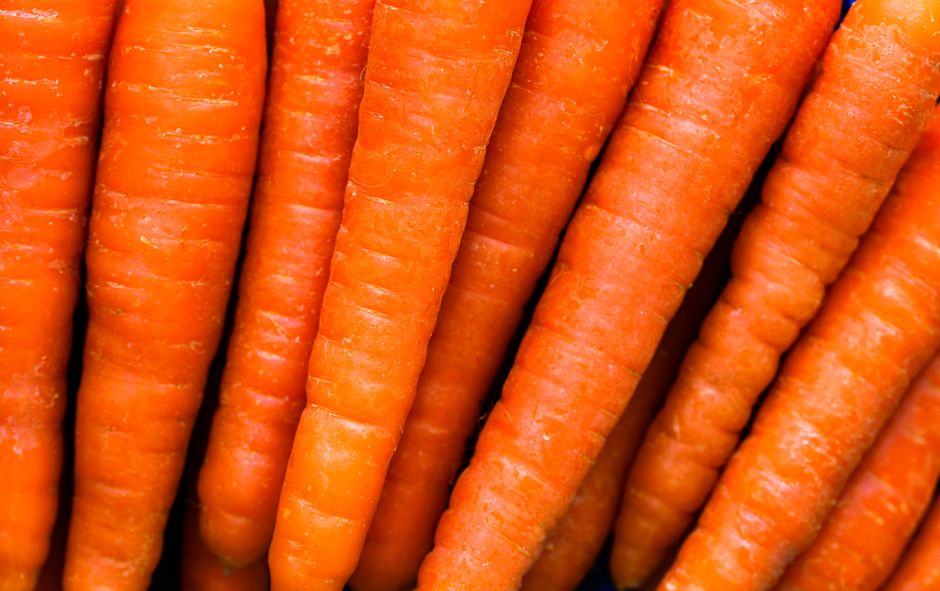
Carrots can be part of a cholesterol-friendly diet, but they are not a cholesterol treatment. No single food lowers cholesterol on its own. What carrots offer is fiber, particularly a type called soluble fiber, which some research links to modest reductions in LDL cholesterol when eaten as part of an overall healthy eating pattern. The realistic takeaway: carrots are a good addition, not a replacement for proven approaches like reducing saturated fat, staying active, and taking prescribed medication when needed.
Are Carrots Good For Cholesterol What To Know First
Carrots contain soluble fiber, and soluble fiber is the component of food most directly connected to cholesterol lowering. That connection is real and reasonably well established.
Soluble fiber works in the gut by binding to bile acids, which are made from cholesterol. When fiber carries bile acids out of the body, the liver has to pull more cholesterol from the blood to make replacement bile acids. Over time, this can lower circulating LDL cholesterol. This is the same general mechanism behind oats and barley, which have stronger evidence than carrots do.
Here is where honesty matters. The soluble fiber in a carrot is modest compared to a bowl of oatmeal. A single carrot or a handful of baby carrots is not going to move your cholesterol number in a meaningful way by itself. The benefit comes from carrots being one part of a diet that is consistently higher in fiber overall.
Carrots also contain other compounds — carotenoids like beta-carotene, and in some studies a fiber called pectin. Some research suggests these may play a role in cholesterol metabolism, but the human evidence specific to carrots is limited. Most of what we know about fiber and cholesterol comes from studies of fiber types and diets, not from carrots alone.
How Much Fiber Do Carrots Actually Provide?
A medium raw carrot provides roughly 2 grams of total fiber, and only part of that is soluble. That is a useful number to keep in perspective.
General dietary guidance for adults is around 25 to 30 grams of fiber per day, depending on age and sex. Most Americans eat well below that. A carrot or two helps close the gap, but it will not close it alone.
Here is a comparison of how carrot fiber stacks up against foods more strongly linked to cholesterol lowering:
| Food | Approximate fiber per typical serving | Strength of cholesterol evidence |
|---|---|---|
| 1 medium raw carrot | About 2 grams | Limited, mostly indirect |
| Cooked oats (1 cup) | About 4 grams | Well established for soluble fiber |
| Cooked barley (1 cup) | About 6 grams | Well established for soluble fiber |
| Cooked beans (½ cup) | About 6 to 8 grams | Well established for soluble fiber |
The point of the table is not to dismiss carrots. It is to show where they fit. Carrots are a low-calorie, high-nutrient vegetable that adds fiber to meals you are already eating. They are a supporting player, not the lead.
Do Carrots Lower LDL Cholesterol On Their Own?
No. There is no reliable evidence that eating carrots by themselves lowers LDL cholesterol to a clinically meaningful degree.
Some small studies have looked at carrot consumption and lipid levels, and results have been mixed. A few suggested modest changes, but these were small and not consistent enough to support a strong claim. That is the honest state of the evidence.
What we can say with more confidence is that diets high in vegetables, including carrots, tend to be associated with better cholesterol profiles. But that association reflects the whole diet, not one vegetable. People who eat more vegetables also tend to eat less saturated fat, more fiber overall, and more plant foods — all of which matter.
If someone tells you carrots “clean out” your arteries or “flush” cholesterol, that is not how cholesterol works. Cholesterol is not a toxin to be flushed. It is a substance your body makes and needs, and the goal is managing levels, not eliminating it.
What Actually Lowers Cholesterol?
The approaches with the strongest evidence are not exotic. They are well studied and widely supported by clinical guidance.
- Reduce saturated fat. Saturated fat raises LDL cholesterol more than dietary cholesterol does. Cutting back on fatty meats, full-fat dairy, and fried foods has a measurable effect.
- Increase soluble fiber. Oats, barley, beans, lentils, psyllium, and yes, vegetables including carrots, all contribute.
- Replace saturated fat with unsaturated fat. Olive oil, nuts, seeds, and fatty fish are well supported.
- Stay physically active. Regular activity is linked to better cholesterol and triglyceride levels.
- Take prescribed medication when indicated. Statins and other medications have strong evidence for lowering LDL and reducing cardiovascular risk in people who need them.
Carrots fit into the second item on that list. They are a sensible way to add fiber and volume to meals without adding saturated fat or many calories. That is their honest contribution.
One clarification worth making: dietary cholesterol from food (like the cholesterol found in eggs or shrimp) has a smaller effect on blood cholesterol than most people assume. Saturated and trans fats matter more for most people. Carrots contain no cholesterol at all, so they are neutral on that front — the fiber is the relevant part.
Are There Risks Or Downsides To Eating Carrots?
For most people, carrots are safe and well tolerated. There are a few practical points worth knowing.
Eating very large amounts of carrots over time can turn the skin a yellowish-orange color. This is called carotenemia. It is harmless and reversible when intake drops. It is not jaundice, which involves the eyes and signals a liver problem — a distinction that occasionally confuses people.
Carrots are high in vitamin A precursors, and while beta-carotene from food is not toxic in the way preformed vitamin A can be, extremely high intakes are not something to aim for. Normal eating is not a concern.
Raw carrots are firm and can be a choking risk for young children, so they should be cooked or cut appropriately for kids. For adults with swallowing difficulties, cooked carrots are easier to manage.
Carrots are also a common allergen in some regions, though reactions are uncommon. If you notice oral itching or swelling after eating raw carrots, that is worth discussing with a clinician.
How Should You Add Carrots To A Cholesterol-Friendly Diet?
The practical approach is simple: use carrots to replace less helpful foods and to add fiber to meals you already eat.
Swap out chips or crackers for carrot sticks with hummus. Add grated carrot to soups, stews, and salads. Roast them with olive oil instead of butter. These are small changes, but they add up across a week.
The key is consistency and context. A carrot eaten alongside a high-saturated-fat meal does not cancel out the meal. A diet built around vegetables, whole grains, beans, and lean proteins — with carrots as one regular component — is where the real effect lives.
If your cholesterol is elevated, food changes are worth making, but they are not always enough on their own. Some people have a genetic component to high cholesterol that diet alone cannot fully address. That is not a failure. It is biology, and it is why medication exists for people who need it. Talk with a clinician about your numbers and what approach fits your situation.
Frequently Asked Questions
Do carrots lower cholesterol?
Carrots contain soluble fiber, which is linked to modest LDL cholesterol reduction as part of an overall high-fiber diet. There is no strong evidence that carrots alone lower cholesterol in a meaningful way.
How many carrots should I eat a day for cholesterol?
There is no established clinical guideline for a specific number of carrots per day for cholesterol. General fiber guidance for adults is around 25 to 30 grams daily from a variety of foods, and carrots can contribute to that total.
Are cooked or raw carrots better for cholesterol?
Both provide fiber, and cooking does not remove the fiber benefit. Choose whichever form you will actually eat regularly, since consistency matters more than preparation method.
Can carrots replace cholesterol medication?
No. Carrots are a healthy food, but they are not a substitute for prescribed cholesterol medication. If you take medication for cholesterol, talk with your clinician before making any changes.
