
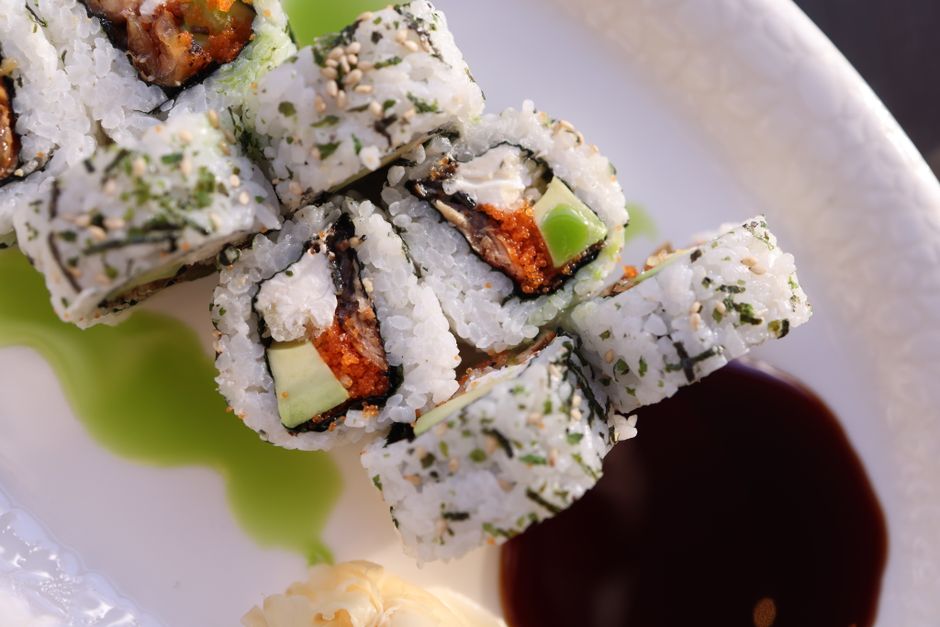
A California roll can fit into a weight loss plan, but it is not automatically a low-calorie food. A standard roll made with imitation crab, avocado, cucumber, and white rice usually lands somewhere between 250 and 350 calories, depending on size and how much rice the chef packs in. The real question is not whether it is “healthy” in some absolute sense. It is whether it fits your daily calorie needs and what else you eat alongside it.
That number matters because sushi portions are easy to misjudge. A roll looks small. It is cut into six to eight pieces. It feels like a light lunch. But the rice alone can carry most of the calories, and the sauces people add on top can push a single roll past 500 calories without much effort.
Are California Rolls Healthy for Weight Loss?
They can be part of a weight loss diet, but they are not a weight loss food on their own. The ingredients are mostly fine. Imitation crab is a lean protein source made from surimi, a processed fish paste. Avocado provides fat, mostly monounsaturated. Cucumber adds water and fiber with almost no calories. The problem is the rice and the portion size.
White sushi rice is a refined carbohydrate. It digests quickly, does not keep you full for long, and carries about 200 calories per cup cooked. A typical California roll contains roughly half a cup to three-quarters of a cup of rice. That is not enormous, but it adds up fast when you eat two rolls.
The bigger issue is satiety. A 300-calorie California roll will not keep most people full the way a 300-calorie meal with more protein and fiber would. You may feel satisfied for an hour and hungry again soon after. That pattern makes it hard to stay in a calorie deficit, which is what actually drives weight loss.
None of this makes California rolls a bad choice. It makes them a food you need to account for rather than assume is light because it contains fish and vegetables.
How Many Calories Are in a California Roll?
A standard six-piece California roll from a typical sushi restaurant contains roughly 250 to 350 calories. The range exists because rolls vary in size, rice density, and avocado amount. A grocery store roll may be smaller. A restaurant roll may be larger and heavier on rice.
Here is a rough breakdown for one average roll:
- White rice: about 140 to 200 calories
- Imitation crab (surimi): about 30 to 50 calories
- Avocado: about 50 to 70 calories
- Cucumber: negligible calories
- Nori (seaweed wrapper): about 5 calories
These are estimates from standard food composition data, not exact measurements. The actual count depends on the specific roll you buy. Restaurant rolls tend to be larger and heavier than what you would make at home.
Add-ons change the math quickly. Soy sauce adds almost nothing. Spicy mayo, eel sauce, and tempura flakes can each add 50 to 100 calories or more per roll. A “spicy California roll” is often a California roll plus a creamy sauce, which can push it well above 400 calories.
What About Brown Rice and Other Swaps?
Brown rice California rolls have a similar calorie count to white rice versions. The difference is fiber and how your body processes the carbohydrate. Brown rice retains its bran layer, so it contains more fiber and digests more slowly. That can help with fullness.
The calorie difference between white and brown rice is small. One cup of cooked white rice has about 200 calories. One cup of cooked brown rice has about 215 calories. Brown rice is not a lower-calorie swap. It is a slower-digesting one.
Other common swaps:
- Cauliflower rice versions cut calories substantially, often by 100 or more per roll, but texture and taste differ noticeably.
- Sashimi-style orders (fish without rice) remove the largest calorie source entirely.
- Cucumber-wrapped rolls (no rice) are much lower in calories and carbohydrates.
- Extra cucumber and avocado with less rice can lower the calorie density of the roll.
These swaps help, but they do not turn a roll into a high-protein, high-satiety meal. You are still eating a small portion of food for the calories.





Why Sushi Portions Are Easy to Misjudge
Sushi is designed to look delicate. The pieces are small, the presentation is clean, and the meal feels light. That visual cue works against you when you are trying to manage portions.
A single California roll is often treated as an appetizer, not a meal. People order two or three rolls, plus miso soup, plus edamame, plus a drink. The total can easily reach 800 to 1,200 calories. That is not a light lunch. It is a full meal with the calorie load of one.
Rice volume is the hidden variable. Some chefs pack more rice into each piece to make the roll hold together and look fuller. You cannot see the difference by looking. Two rolls that appear identical can differ by 100 calories or more based on rice density alone.
This is not a reason to avoid sushi. It is a reason to order deliberately. One roll plus a side of edamame or sashimi gives you more protein and fiber for similar calories than two or three rolls alone.
What Should You Eat With a California Roll?
Pairing matters more than the roll itself. A California roll alone is mostly carbohydrate and fat with a small amount of protein. Adding a lean protein source and a fiber-rich side makes the meal more filling for roughly the same calories.
Good additions:
- Sashimi (plain fish, no rice) adds protein with almost no carbohydrate.
- Edamame provides plant protein and fiber.
- Miso soup is low in calories and adds volume to the meal.
- A side salad with ginger dressing adds vegetables, though the dressing carries calories.
- Seaweed salad is low in calories but often contains added sugar in the dressing.
Watch the sauces. Spicy mayo, eel sauce, and sweet soy glazes are where a lot of hidden calories live. Asking for sauce on the side lets you control how much you use.
Drinks matter too. A regular soda or a sweetened iced tea can add 150 calories or more. Green tea or water keeps the meal closer to what you intended.
Does the Imitation Crab Matter?
Imitation crab is not a problem for weight loss. It is a lean protein source made from surimi, which is processed white fish. It is low in fat and calories. A typical serving contains about 30 to 50 calories and several grams of protein.
It is not the same as real crab. Real crab is also lean and high in protein, but it costs more. Both work fine in a weight loss diet. The difference is not significant enough to change your calorie math.
What matters more is what the imitation crab is mixed with. Some California rolls use a crab salad that includes mayonnaise. That turns a lean protein into a higher-fat filling. If the roll tastes creamy, there is likely mayo in it.
Can You Eat California Rolls Every Day and Still Lose Weight?
Yes, if the rest of your diet supports a calorie deficit. Weight loss depends on total calories consumed versus calories burned over time. No single food determines the outcome.
That said, eating California rolls daily is not a great strategy for most people. They are not especially filling for their calories. They are low in protein compared to a chicken breast or a bowl of Greek yogurt. They do not provide much fiber compared to a plate of vegetables and whole grains.
A better approach is to treat them as one option among many. If you enjoy them, fit them in. If you eat them often, pay attention to portion size and what you eat with them.
Some people find that sushi meals leave them hungry an hour later. If that happens to you, the roll is not doing its job. A meal that does not keep you full makes it harder to stick to your calorie target, regardless of how “healthy” the ingredients look on paper.
What Is the Bottom Line?
A California roll is not a weight loss food, but it is not a weight gain food either. It is a moderate-calorie meal component that fits into a balanced diet when you account for it. The rice and the portion size are the main things to watch. The sauces are the main thing to limit.
If you want sushi that supports weight loss more directly, order sashimi or a roll with less rice and more fish. Add a protein side and a vegetable. Skip the creamy sauces. Drink water or green tea.
None of this is complicated. It is just easy to overlook because sushi feels lighter than it is.
Frequently Asked Questions
Are California rolls healthy for weight loss?
They can fit into a weight loss diet, but they are not a weight loss food on their own. A standard roll has 250 to 350 calories and is not very filling for that amount.
How many calories are in a California roll?
A typical six-piece California roll contains roughly 250 to 350 calories, depending on size and rice amount. Sauces and add-ons can push it higher.
Is brown rice better than white rice in a California roll?
Brown rice has more fiber and digests more slowly, which may help with fullness. The calorie difference is small, so it is not a lower-calorie swap.
What should I order with a California roll to stay full?
Sashimi, edamame, or miso soup add protein and volume without many extra calories. Skipping creamy sauces also helps keep the meal lighter.
