
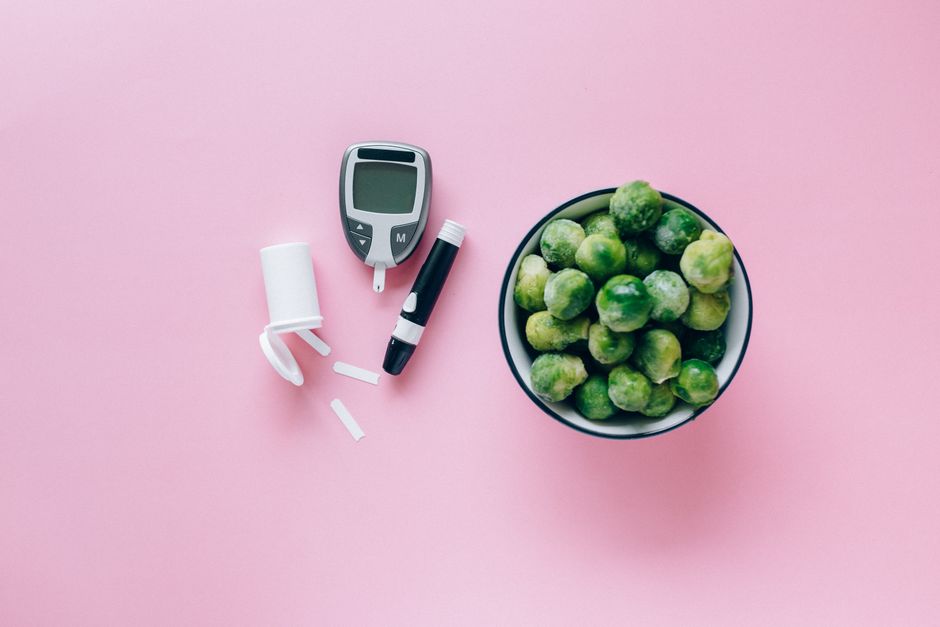
Brussel sprouts are healthy. They are a low-calorie vegetable packed with fiber, vitamins, and antioxidants. Eating them regularly can support digestion, heart health, and your immune system. They are one of the most nutrient-dense vegetables you can add to your plate.
What Nutrients Are in Brussel Sprouts?
Brussel sprouts are small but dense with nutrition. A single serving provides a significant amount of your daily needs for several key vitamins. They are especially high in vitamin K and vitamin C. Vitamin K is essential for blood clotting and bone health. Vitamin C acts as an antioxidant and supports your immune system. They also provide a good amount of folate, which is important for cell division and making DNA. For pregnant women, folate is a critical nutrient.
They are also a solid source of manganese, potassium, and vitamin B6. Manganese supports bone formation and nutrient metabolism. Potassium helps regulate fluid balance and blood pressure. The fiber content is another major plus. One cup of cooked Brussel sprouts offers about 4 grams of fiber. That is roughly 16 percent of the daily fiber recommendation for adults. Fiber supports digestive regularity and feeds the beneficial bacteria in your gut.
Are Brussel Sprouts Healthy for Weight Management?
Yes. Brussel sprouts are very low in calories but high in volume and water. This combination helps you feel full without eating a lot of calories. A cup of cooked Brussel sprouts contains only about 56 calories. The fiber also slows digestion, which keeps you satisfied longer after a meal. This makes them a useful food if you are trying to manage your weight. They are not a magic weight-loss food, but they fit well into a calorie-controlled diet. Swapping higher-calorie sides like pasta or white potatoes for Brussel sprouts is a practical choice.
Can Brussel Sprouts Help Lower Cholesterol?
Some research suggests they can. Brussel sprouts contain a type of soluble fiber that binds to cholesterol in the digestive tract. This binding helps remove cholesterol from the body instead of letting it enter the bloodstream. Studies have shown that eating cruciferous vegetables like Brussel sprouts is linked to lower LDL cholesterol levels. LDL cholesterol is the “bad” type linked to heart disease. The effect is modest but real. Adding them to a diet already rich in whole foods can support heart health over time.
Do Brussel Sprouts Have Antioxidant Benefits?
They do. Brussel sprouts are rich in antioxidants, which are compounds that protect your cells from damage. This damage, called oxidative stress, is linked to chronic diseases like cancer and heart disease. One specific antioxidant in Brussel sprouts is kaempferol. Some research indicates that kaempferol may reduce inflammation and slow the growth of cancer cells in test tubes. That does not mean eating Brussel sprouts prevents cancer in humans. No single food does. But a diet high in antioxidant-rich vegetables is consistently linked to lower disease risk.
Are Brussel Sprouts Healthy for Your Gut?
The fiber in Brussel sprouts does more than keep you regular. It acts as a prebiotic. Prebiotics are food for the healthy bacteria in your colon. When these bacteria digest fiber, they produce short-chain fatty acids. These fatty acids are the main energy source for the cells lining your colon. They also help reduce inflammation in the gut. A healthy gut microbiome is connected to better digestion, a stronger immune system, and even improved mood. Eating Brussel sprouts regularly supports this system.
How Should You Cook Brussel Sprouts to Keep Them Healthy?
How you cook them matters. Boiling Brussel sprouts can leach water-soluble nutrients like vitamin C into the cooking water. Steaming, roasting, or sautéing preserves more of their nutritional value. Roasting is a popular method because it brings out their natural sweetness. The bitterness that many people dislike comes from compounds called glucosinolates. These compounds are also responsible for many of the vegetable’s health benefits. High-heat cooking methods like roasting reduce the bitterness while keeping the beneficial compounds intact.
One caution: do not deep-fry them. Frying adds significant calories and fat, which cancels out many of the health benefits. A light toss in olive oil and roasting at high heat is a better approach. Olive oil adds healthy monounsaturated fat, which helps your body absorb the fat-soluble vitamins in Brussel sprouts, including vitamin K.
Are There Any Downsides or Risks?
For most people, no significant downsides exist. But there are a few things to know.
Brussel sprouts are very high in vitamin K. This matters if you take blood-thinning medication like warfarin. Vitamin K plays a direct role in blood clotting, and sudden changes in your intake can interfere with how the medication works. If you take a blood thinner, you do not need to avoid Brussel sprouts. You do need to keep your intake consistent. Talk to your doctor about how to manage this.
Some people experience digestive discomfort after eating them. This is due to raffinose, a type of carbohydrate that the human body cannot fully digest. It ferments in the colon and can cause gas and bloating. If you are not used to eating high-fiber vegetables, start with a small portion and increase gradually. Cooking them thoroughly also helps reduce digestive issues.
Thyroid concerns are sometimes mentioned. Raw Brussel sprouts contain goitrogens, compounds that can interfere with thyroid function in large amounts. Cooking inactivates most of these compounds. Eating cooked Brussel sprouts in normal food amounts is not a concern for healthy people. If you have an existing thyroid condition, cooking them well and eating them in moderation is the sensible approach.
Are Brussel Sprouts Healthier Raw or Cooked?
Both have advantages. Raw Brussel sprouts retain the highest amount of vitamin C because heat degrades this vitamin. They also keep all of their enzymes intact. However, raw sprouts are harder to digest and more likely to cause gas. Cooking makes many nutrients more available to your body. For example, cooking breaks down cell walls, which makes it easier for your body to absorb certain antioxidants. The evidence does not strongly favor one over the other. The best choice is the one you will actually eat. If you enjoy them roasted, eat them roasted. If you like them shaved raw in a salad, that works too.
Are Brussel Sprouts Healthy Compared to Other Vegetables?
They rank among the top vegetables for nutrient density. Nutrient density means the amount of nutrients you get per calorie. Brussel sprouts provide more vitamin C, vitamin K, and folate per calorie than many other common vegetables. Kale and spinach are also extremely nutrient-dense. Broccoli and cauliflower are close cousins in the cruciferous family with similar benefits. The practical takeaway is that eating a variety of these vegetables is better than relying on any single one. Brussel sprouts are an excellent addition, not a replacement for other vegetables.
| Nutrient (per 1 cup cooked) | Brussel Sprouts | Broccoli |
|---|---|---|
| Calories | 56 | 55 |
| Fiber | 4 g | 5 g |
| Vitamin C | 97 mg | 101 mg |
| Vitamin K | 219 mcg | 110 mcg |
| Folate | 94 mcg | 168 mcg |
How Many Brussel Sprouts Should You Eat Per Week?
There is no official recommended serving for Brussel sprouts specifically. General dietary guidelines recommend eating 2.5 to 3 cups of vegetables per day. A serving of Brussel sprouts is about 1 cup cooked. Eating them a few times per week is a reasonable goal. More is not necessarily better. Some people find that eating very large portions causes digestive discomfort. Listen to your body. A regular, moderate intake is the most sustainable approach.
Frequently Asked Questions
Are Brussel sprouts good for you every day?
Yes, eating them daily is safe and healthy for most people. Keep portions moderate and cook them well to reduce gas and bloating.
Do Brussel sprouts cause gas and bloating?
They can, because they contain raffinose, a carbohydrate that ferments in the colon. Cooking them thoroughly and increasing your intake gradually can reduce this effect.
Can you eat Brussel sprouts raw?
Yes, raw Brussel sprouts are safe to eat. They retain more vitamin C raw, but they are harder to digest and more likely to cause gas than cooked ones.
Are Brussel sprouts good for weight loss?
Yes, they are low in calories and high in fiber, which helps you feel full. They make a good replacement for higher-calorie side dishes.
