
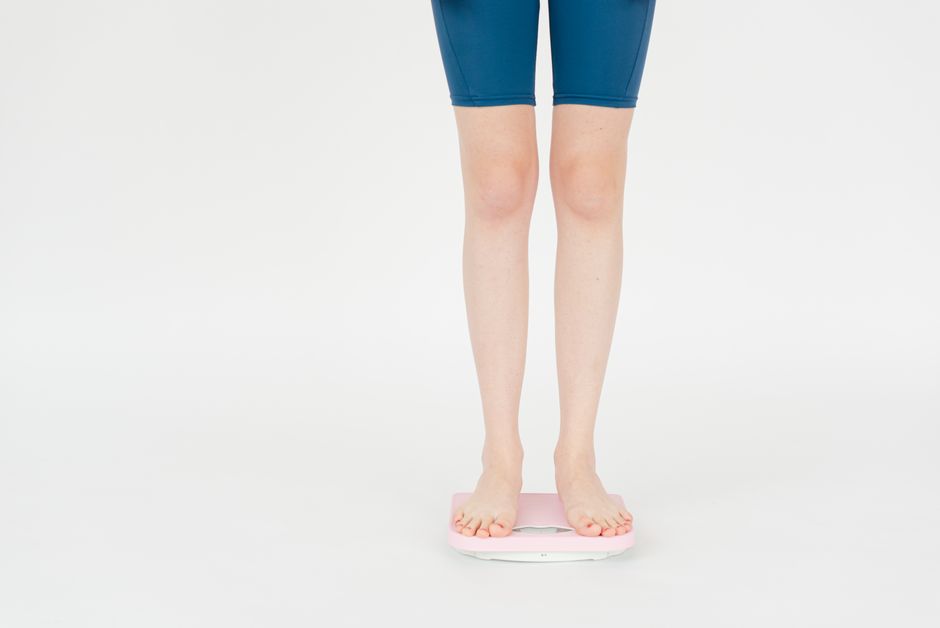
Step onto a bathroom scale that also claims to measure your body fat percentage, and you get a number that feels scientific. The truth is more complicated. Home body fat scales are not precise instruments. They can be useful for spotting broad trends over time, but the specific number they show can be off by a meaningful margin, and it shifts with your hydration, the time of day, and how you stand. A reading from one of these devices is a rough estimate, not a measurement you should treat as fact.
Are Body Fat Scales Accurate?
No, they are not accurate in the way a laboratory method is. Most consumer body fat scales use a technology called bioelectrical impedance analysis, or BIA. A small, harmless current passes through your body, usually from metal pads under your feet. The device measures how much resistance that current meets, then plugs the result into an equation to estimate body fat.
The problem is what that equation leaves out. Fat and muscle conduct electricity differently because muscle holds more water and electrolytes. The current flows more easily through hydrated tissue and resists fat. But the device cannot tell the difference between a change in fat and a change in water. If you are dehydrated, your body resists the current more, and the scale may report a higher body fat percentage than you actually have. Drink a lot of water and the number can drop.
Studies that compare foot-to-foot home scales against laboratory reference methods generally find wide variation between the two. The direction of the error is not even consistent from person to person. For some people the scale reads high; for others it reads low. That is the key issue. A measurement that is consistently off by a fixed amount can be corrected. One that is unpredictably off is harder to trust.
How Do Body Fat Scales Actually Work?
The technology is real, but the home version is a simplified form of it. Professional BIA devices can use multiple frequencies of current and place electrodes on the hands and feet, which gives a fuller picture of the body. A bathroom scale usually sends current only through the lower body, from one foot to the other. That means it is mostly estimating the composition of your legs and lower torso, then guessing the rest.
From the resistance reading, the scale applies a formula that also factors in your age, sex, height, and weight. These formulas were built from population data. They describe an average person reasonably well and an individual person less well. Two people of the same height, weight, age, and sex can have very different body compositions, and the scale has no way to know that.
One detail many people miss: because the current travels mainly through the legs, the reading is heavily influenced by leg muscle and leg fat. An athlete with muscular legs and low overall body fat may get a reading that looks higher than expected. Someone who carries fat mostly around the abdomen but has thin legs may get a reading that looks lower than expected.
What Affects the Reading on a Body Fat Scale?
Almost anything that changes your body’s water content will move the number. That is why the same person can see several percentage points of difference across a single day without any real change in body fat.
- Hydration. Dehydration tends to raise the reading. Recent drinking tends to lower it.
- Time of day. Body water shifts throughout the day. Morning readings often differ from evening ones.
- Food and drink. A recent meal or beverage changes the water and electrolyte balance in your body.
- Exercise. Sweating and the fluid shifts after a workout can skew results for hours.
- Skin temperature and moisture. Sweaty or very dry feet can affect how well the electrodes make contact.
- Body position and foot placement. Standing slightly differently or placing feet off the pads changes the reading.
There is also the matter of the scale’s own consistency. Consumer devices vary in quality. A cheap scale may be less repeatable than a better-built one, meaning two readings taken minutes apart under identical conditions can still differ. The evidence on exactly how much any specific model varies is limited, and manufacturers rarely publish independent validation data.
Is Bioelectrical Impedance Ever Reliable?
Yes, in the right setting. Bioelectrical impedance is a legitimate method used in clinics and research. When performed with proper equipment, standardized conditions, and validated equations for the population being measured, it can give useful estimates of body composition. The limitation is not the underlying concept. It is the shortcuts taken to fit the technology into a low-cost bathroom device.
Even in clinical settings, BIA is generally considered an estimate rather than a gold standard. The reference methods used in research are things like dual-energy X-ray absorptiometry, often called DEXA, and underwater weighing. These are more accurate but require specialized equipment and are not practical for daily home use. Some research suggests that consumer BIA devices can track group averages reasonably well while still being unreliable for any single individual.
How Should You Use a Body Fat Scale?
Use it for trends, not for the number itself. A single reading tells you very little. A pattern over weeks and months, taken under the same conditions, can show you the direction your body is moving. That is the realistic value of these devices.
To make readings more comparable, keep the conditions as steady as you can:
- Measure at the same time of day, ideally in the morning before eating or drinking.
- Measure before exercise, not after.
- Keep your hydration habits consistent from day to day.
- Stand barefoot with feet clean and dry, in the same position each time.
- Track the readings over weeks and look at the general direction, not day-to-day swings.
These steps reduce noise, but they do not make the device accurate. They make it more consistent with itself, which is a different thing. Consistency is what lets you see a trend; accuracy is what would let you trust the absolute number. Home scales offer the first far better than the second.
What Are Better Ways to Track Body Fat?
If you want a reliable body fat percentage, you need a method that measures rather than estimates from resistance. DEXA scans are widely used in research and clinical practice and give a detailed breakdown of fat, muscle, and bone. They involve a low dose of radiation and are typically done in a medical or imaging center. Cost and access vary.
Other options include skinfold calipers, which measure fat thickness at several points on the body. Calipers can be reasonably accurate in trained hands, but results depend heavily on the skill of the person taking the measurements. Waist circumference is a simpler and well-established indicator of health risk. It does not give you a body fat percentage, but it tracks abdominal fat, which is closely tied to metabolic health.
For most people, the practical picture comes from a few simple signals: your weight trend, your waist measurement, how your clothes fit, and how you feel and perform. None of these require a device that claims to read your body composition through your feet.
Do You Need a Body Fat Scale at All?
Not really. A standard scale, a tape measure, and a consistent routine cover most of what a home body fat scale offers, and they are less prone to confusing swings. The body fat number can be motivating for some people, and that has value. But it can also mislead, especially if someone treats a single reading as meaningful or panics over a change that is really just dehydration.
The devices are not harmful. The current they use is very small and considered safe for general use. People with implanted electronic devices such as pacemakers or defibrillators should not use bioelectrical impedance scales, because the current could interfere with the device. That is a genuine safety point, not a marketing caveat. If you have an implanted cardiac device, check with your doctor before using one.
The bottom line is that a body fat scale is a rough gauge dressed up as a precise instrument. It can help you notice a trend if you use it carefully. It cannot tell you your true body fat percentage with confidence, and you should not make health decisions based on the exact number it shows.
Frequently Asked Questions
Are body fat scales accurate enough to trust?
They are not accurate for a precise body fat percentage, because readings can be off by a meaningful margin and vary with hydration. They are more useful for spotting broad trends when used under consistent conditions.
Why does my body fat scale give different readings on the same day?
Because the technology is sensitive to your body’s water content, which shifts with drinking, eating, sweating, and time of day. Changes of several percentage points within a day usually reflect fluid, not real fat change.
Can I use a body fat scale if I have a pacemaker?
No, people with implanted electronic devices such as pacemakers or defibrillators should not use bioelectrical impedance scales. The small current could interfere with the device, so check with your doctor first.
What is a more accurate way to measure body fat?
DEXA scans are widely used in research and clinical settings and give a detailed breakdown of fat, muscle, and bone. Skinfold calipers and waist circumference are simpler alternatives that still provide useful information.
