
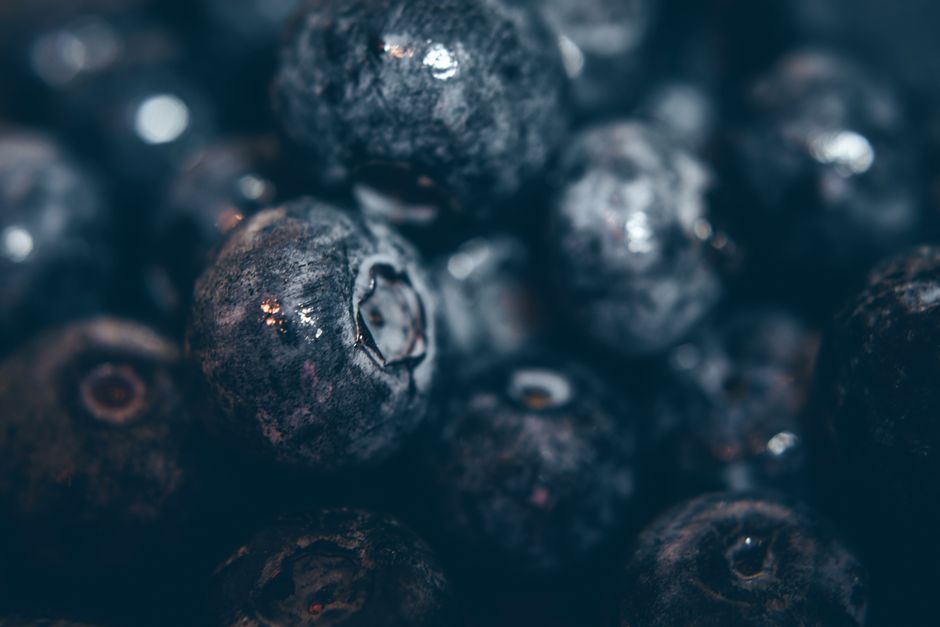
Blueberries contain anthocyanins, the pigments that give them their deep blue color, and these compounds have measurable anti-inflammatory effects in laboratory and human studies. Whether eating blueberries meaningfully reduces inflammation in your body depends on how much you eat, how often, and what else is on your plate. The short answer: blueberries are a reasonable, low-risk addition to an anti-inflammatory eating pattern, but they are not a treatment for inflammatory disease.
What makes blueberries good for inflammation?
Anthocyanins are the main active compounds. These are a class of flavonoids found in high concentrations in blueberry skin. When you eat them, they are absorbed in the small intestine and processed by gut bacteria into smaller metabolites that circulate in the blood.
In laboratory studies, anthocyanins reduce the activity of inflammatory signaling molecules, including nuclear factor kappa B (NF-κB) and cyclooxygenase enzymes. These are the same general pathways that drugs like ibuprofen target, though through different mechanisms and at vastly different potency.
One clarification worth making: the anti-inflammatory effect measured in a petri dish does not automatically translate to a clinical benefit in a human body. Anthocyanins are poorly absorbed intact. Most reach the colon, where gut bacteria break them down. The metabolites that actually enter circulation are different molecules from the ones in the fruit. This is why researchers study whole blueberries in people rather than isolated compounds in cells.
Blueberries also contain vitamin C, vitamin K, manganese, and fiber. Each contributes to overall health, but the anti-inflammatory attention centers on anthocyanins.
What does human research show about blueberries and inflammation?
Human trials exist, and they point in a consistent but modest direction. Several small controlled trials have found reductions in markers like C-reactive protein (CRP) and interleukin-6 (IL-6) after participants consumed blueberry powder, freeze-dried blueberries, or blueberry juice for several weeks. Other trials have found no significant change.
The evidence is mixed. Many studies are small, short, and use different forms of blueberry at different doses, which makes them hard to compare. Some are funded by industry groups with an interest in favorable results. That does not make the findings wrong, but it is a reason to hold them loosely.
What the research does not show is that blueberries reduce inflammation enough to replace medication, prevent flares of an autoimmune condition, or lower inflammatory markers into a meaningfully different clinical category on their own. No large trial has confirmed those outcomes.
Where the evidence is stronger is in the broader pattern: diets rich in colorful plant foods, including berries, are consistently associated with lower levels of chronic inflammation and lower risk of several chronic diseases in large observational studies. That association is well established. Whether blueberries specifically drive it, or simply travel alongside other healthy habits, is harder to untangle.
How much do you need to eat?
There is no official recommended intake for blueberries. No clinical guidelines specify a dose for anti-inflammatory purposes, and researchers have not settled on one.
Human trials have used a wide range of amounts, from roughly a cup of fresh berries to concentrated freeze-dried powders equivalent to several cups. Results have not clearly favored higher doses.
A practical approach many dietitians suggest is to include berries as part of the two to four servings of fruit recommended daily in US dietary guidance, rather than treating blueberries as a standalone supplement. One cup of fresh blueberries provides about 84 calories, around 3.6 grams of fiber, and roughly 24 milligrams of vitamin C, based on USDA nutritional data.
Frozen blueberries retain most of their anthocyanin content and are usually cheaper year-round. Wild blueberries tend to have higher anthocyanin concentrations than cultivated varieties, though the difference is not large enough to matter much in practice.
Do blueberry supplements work the same way?
Probably not, and the evidence is weaker. Supplements vary enormously in anthocyanin content, quality, and how well the compounds survive digestion. Some products contain mostly filler or sugar.
Whole fruit delivers fiber, vitamins, and a complex mix of polyphenols that a capsule does not replicate. The fiber alone may matter for gut bacteria that convert anthocyanins into their active forms.
No large human trial has confirmed that blueberry supplements reduce inflammation in a way that matters clinically. If a label makes strong claims about inflammation, treat that as marketing rather than science.
Who should be careful with blueberries?
For most people, blueberries are safe and well tolerated. A few groups should take note.
- People taking warfarin. Blueberries contain vitamin K, which interacts with warfarin. The key is consistency rather than avoidance. Talk to your clinician before making large changes to your intake.
- People with kidney disease. Blueberries are relatively low in potassium compared with many fruits, but anyone on a restricted diet should check with their care team.
- People with a history of oxalate kidney stones. Blueberries contain moderate oxalate levels. This matters more for high-intake patterns than for occasional servings, but worth knowing.
- Anyone with a berry allergy. Rare, but possible.
Blueberries are not a substitute for prescribed anti-inflammatory medication. If you have a condition like rheumatoid arthritis, inflammatory bowel disease, or another inflammatory disorder, diet can support treatment but does not replace it.
How do blueberries compare with other anti-inflammatory foods?
Blueberries hold their own well against other berries and plant foods, but they are not uniquely superior.
| Food | Key anti-inflammatory compounds | Notes |
|---|---|---|
| Blueberries | Anthocyanins, vitamin C, fiber | Strong human trial interest; consistent but modest findings |
| Strawberries | Ellagitannins, anthocyanins, vitamin C | Similar evidence base; often cheaper |
| Black raspberries | High anthocyanin and ellagitannin content | Less studied in humans |
| Fatty fish | Omega-3 fatty acids (EPA, DHA) | Stronger clinical evidence for reducing inflammation than any berry |
| Leafy greens | Vitamin K, carotenoids, fiber | Associated with lower inflammatory markers in large studies |
| Extra virgin olive oil | Oleocanthal, polyphenols | Oleocanthal has measurable anti-inflammatory activity in lab studies |
The pattern matters more than any single food. A diet built around vegetables, fruit, whole grains, legumes, nuts, and fish is where the strongest evidence for lower chronic inflammation lives. Blueberries fit comfortably into that pattern.
What should you realistically expect?
Adding a cup of blueberries to your day is a low-risk, sensible choice. Expect it to contribute to a healthier overall diet, not to produce a dramatic change in how you feel or in lab results.
Chronic inflammation is usually driven by multiple factors: body weight, physical activity, sleep, stress, smoking, alcohol, and the overall quality of your diet. No single food overrides those. Changing one item on your plate while everything else stays the same tends to produce small effects at best.
If you have a diagnosed inflammatory condition, work with your clinician on treatment. Diet is a supporting player. It is not the lead.
Frequently Asked Questions
Are blueberries good for inflammation?
They contain anthocyanins with anti-inflammatory activity, and some human trials show modest reductions in inflammatory markers. The effect is real but small, and blueberries are not a treatment for inflammatory disease.
How many blueberries should I eat a day for inflammation?
No official recommendation exists. Human trials have used amounts ranging from about a cup of fresh berries to concentrated powders, without clear evidence that more is better. Including berries as part of your daily fruit intake is a reasonable approach.
Do frozen blueberries have the same anti-inflammatory benefits as fresh?
Frozen blueberries retain most of their anthocyanin content, so the anti-inflammatory compounds are largely preserved. Nutrient loss during freezing is generally small.
Can blueberries replace anti-inflammatory medication?
No. Blueberries may support a healthy diet, but they do not replace prescribed medication for any inflammatory condition. Talk to your clinician before changing treatment based on diet.
