
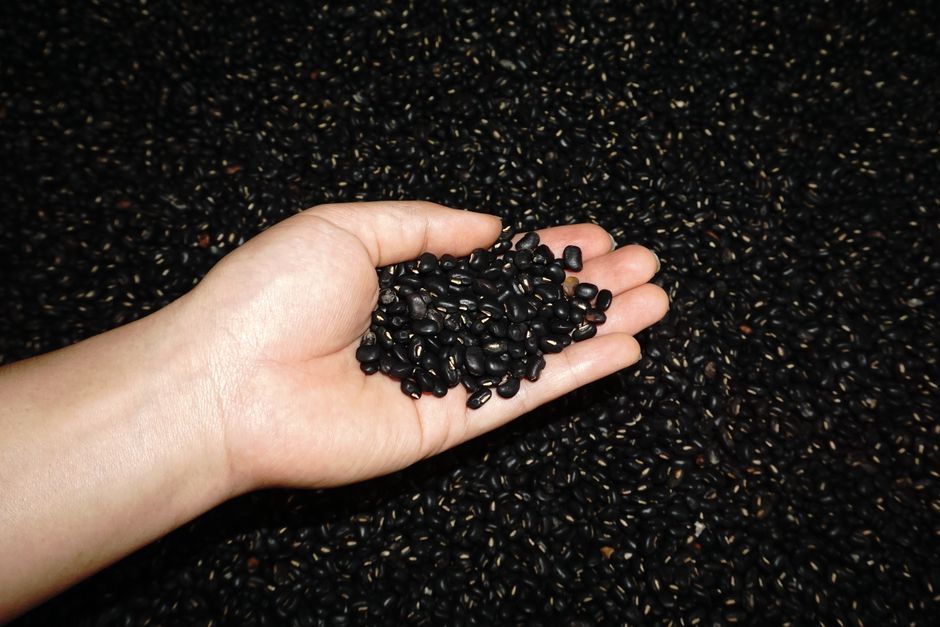
Black beans are not a vegetable. Botanically, they are the edible seeds of a legume plant, and nutritionally they sit in a category of their own — one that shares some features with vegetables but differs in important ways. If you have been counting your black beans toward your daily vegetable servings, the honest answer is that most dietary guidance treats them as a separate food group.
The confusion is understandable. Black beans show up in salads, soups, and grain bowls right alongside vegetables. They are plant foods, they are nutrient-dense, and they are often grouped with vegetables on restaurant menus. But the science of classification — both botanical and nutritional — puts them somewhere else.
What Are Black Beans Botanically?
Black beans are legumes, which means they belong to the plant family Fabaceae. Specifically, they are the mature, dried seeds of the common bean plant, Phaseolus vulgaris. The same species produces pinto beans, kidney beans, navy beans, and green beans — just different varieties and different stages of harvest.
This is where a useful distinction comes in. Green beans, also called string beans or snap beans, are the immature pods of the same plant species. Because you eat the pod itself, green beans are classified as a vegetable. Black beans are the mature seed inside the pod, harvested after the pod has dried. That difference in what part of the plant you eat is why one counts as a vegetable and the other does not.
Botanically, a vegetable is not a strict scientific category at all. It is a culinary and cultural term. Fruits are the seed-bearing structures that develop from a flower’s ovary. By that definition, a green bean pod is technically a fruit, and so is a tomato. The word “vegetable” has no single agreed botanical definition, which is part of why food classification can feel inconsistent.
Legumes, by contrast, are a well-defined botanical family. Black beans are unambiguously legumes. That classification is not in dispute.
Are Black Beans A Vegetable Nutritionally?
In nutrition, black beans are classified as a legume, and dietary guidance typically places them in the protein foods group rather than the vegetable group. This is the classification most relevant to how you plan meals and count servings.
The reason is nutrient composition. Black beans are notably high in protein and fiber compared with most vegetables. A half-cup serving of cooked black beans provides roughly 7 to 8 grams of protein and about 7 to 8 grams of fiber, along with iron, folate, magnesium, and potassium. Those figures come from standard USDA nutrient data for cooked beans.
Compare that with a typical vegetable. A half-cup of cooked broccoli provides around 2 grams of protein and about 2 to 3 grams of fiber. Black beans deliver substantially more of both per serving. That protein density is why they function as a protein source in vegetarian and vegan diets.
Here is the nuance that trips people up. Official dietary guidance does not treat black beans as purely a protein food. The United States Department of Agriculture classifies beans and peas as both a vegetable and a protein food. They can count toward either group — but not both at the same meal in the same amount. The choice is yours, and it depends on what else is on your plate.
So the accurate answer is layered. Black beans are legumes first. Nutritionally they can be counted as a vegetable or as a protein, depending on your dietary pattern and what your meal needs.
How Do Black Beans Compare With Other Vegetables?
The nutrient profile of black beans looks quite different from most vegetables, and the comparison is worth seeing side by side. The figures below are approximate values for cooked, unsalted versions from standard USDA data.
| Food (half-cup cooked) | Protein | Fiber | Typical food group |
|---|---|---|---|
| Black beans | ~7–8 g | ~7–8 g | Legume / protein or vegetable |
| Broccoli | ~2 g | ~2–3 g | Vegetable |
| Carrots | ~1 g | ~2 g | Vegetable |
| Spinach | ~1 g | ~2 g | Vegetable |
The protein and fiber gap is the main story. Black beans carry roughly three to four times the protein of most vegetables per equal serving. That is the nutritional reason they get grouped with protein foods.
They also differ in carbohydrate content. Black beans contain more carbohydrate and calories per serving than leafy greens or low-starch vegetables. That is not a flaw — it is simply a different nutritional role. Beans are a starchy, energy-dense food, closer to whole grains and lentils than to a side of greens.
Why Does The Vegetable Label Matter?
The label matters because dietary guidance is built around food groups, and how you count a food affects whether you meet your targets. If you count black beans only as a vegetable, you may undercount your protein. If you count them only as a protein, you may miss that they also contribute toward vegetable intake.
Most adults do not eat enough vegetables, and most do not eat enough fiber. Black beans help with both. The average American diet falls well short of recommended fiber intake, and beans are one of the most fiber-dense foods available. A half-cup serving delivers a meaningful share of a day’s fiber for most adults.
There is a practical takeaway hidden in the classification debate. Whether you file black beans under “vegetable” or “protein” in your mental meal plan matters less than eating them regularly. The category is a planning tool, not a rule about what counts as healthy.
Are Black Beans Good For You?
Black beans are a nutrient-dense food with well-established nutritional value. They provide plant protein, fiber, folate, iron, magnesium, and potassium. These are established facts about their composition, not marketing claims.
What about health outcomes? The evidence here is real but should be described carefully. Diets rich in legumes are consistently associated with favorable health outcomes in large observational studies, including lower rates of heart disease. Observational studies show association, not proof of cause. Clinical trials on beans specifically tend to be smaller and shorter-term, and results vary.
Some research suggests that regular legume intake can help with appetite control and blood sugar response after meals, largely because of the fiber and protein content. The evidence is encouraging but not uniform across studies. It would be inaccurate to say black beans are proven to prevent any specific disease.
One genuinely useful clarification: the fiber in beans is fermentable, meaning gut bacteria break it down. That process produces gas in many people, which is why beans have a reputation. This is normal digestion, not a sign of a problem. Soaking dried beans and cooking them thoroughly, or starting with smaller portions, reduces the effect for most people.
How Should You Count Black Beans In Your Diet?
Count them where they help you most. If you are building a meatless meal and need protein, treat black beans as your protein food. If you are short on vegetables and fiber for the day, they can fill that role instead. The key is not to double-count the same serving in both categories at one meal.
For most people, a reasonable approach is to include beans several times a week as part of a varied diet. They work in soups, salads, tacos, rice dishes, and dips. Canned beans are convenient and nutritionally similar to cooked dried beans, though they often carry added sodium — rinsing them reduces surface sodium substantially.
People with certain medical conditions should talk to a clinician about bean intake. If you have kidney disease and have been advised to limit potassium or phosphorus, beans are a source of both. If you take blood thinners and monitor vitamin K, note that beans contain some, though far less than leafy greens. These are individual clinical conversations, not general rules.
Frequently Asked Questions
Are black beans a vegetable or a protein?
Nutritionally, black beans are a legume that official guidance allows you to count as either a vegetable or a protein food. Most people count them as protein because of their high protein content.
Are beans considered vegetables by the USDA?
Yes, in part. The USDA classifies beans and peas as both a vegetable and a protein food, and they can count toward either group. They should not be counted toward both for the same serving.
Are black beans healthier than other vegetables?
They are not better or worse — they are different. Black beans provide far more protein and fiber per serving than most vegetables, but they also carry more carbohydrate and calories.
Is it okay to eat black beans every day?
For most healthy adults, eating beans regularly fits within a balanced diet. People with kidney disease or other conditions affecting potassium or phosphorus intake should check with their clinician first.
