
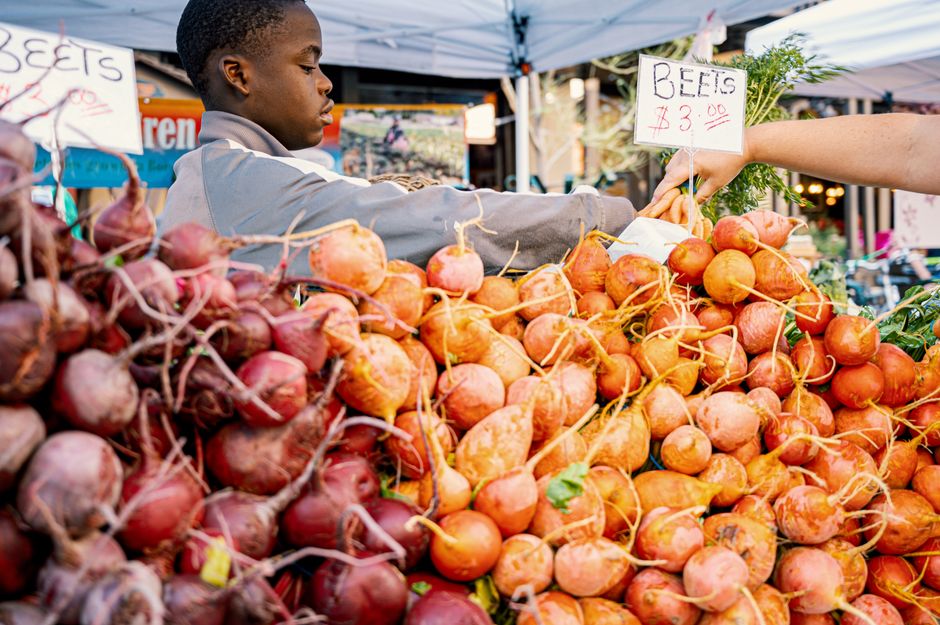
Yes, beets are a vegetable. More specifically, they are the taproot portion of the beet plant, known scientifically as Beta vulgaris. While we commonly eat the round, red root, the entire plant is edible, including the leafy greens that sprout from the top. In botanical terms, they are a root vegetable, but in culinary terms, they are treated as a versatile ingredient used in salads, roasts, and even desserts.
Are Beets A Vegetable Or A Fruit?
Beets are a vegetable, not a fruit. This is a simple distinction based on plant biology. In botanical terms, a fruit is the mature ovary of a flower that contains seeds. Think of apples, tomatoes, or cucumbers. A vegetable is any other edible part of a plant, such as the leaves, stems, or roots.
Since we eat the root of the beet plant, it falls squarely into the vegetable category. The confusion sometimes arises because beets are sweet, but their sugar content does not change their biological classification. They are a root vegetable, just like carrots, turnips, and radishes.
What Part Of The Beet Plant Do We Eat?
Most people eat the root, which is the swollen, fleshy part that grows underground. This is the part that is typically deep red or golden, though it can also be striped or white. The root is what you find canned, pickled, or sold fresh in grocery stores.
The leafy greens attached to the top are also edible. Beet greens are a leafy vegetable similar to Swiss chard or spinach. They are highly nutritious and can be sautéed, steamed, or added raw to salads. The entire plant is edible, but the root is the most commonly consumed part.
What Is The Nutritional Profile Of Beets?
Beets are a nutrient-dense food. They are low in calories and fat while providing a good amount of fiber, folate, and manganese. They are also a source of potassium and vitamin C. The deep red color comes from pigments called betalains, which act as antioxidants in the body.
A standard serving of cooked beets contains a significant amount of folate, which is important for cell division and DNA formation. This makes beets particularly valuable during pregnancy, though no single food should be relied on exclusively for any nutrient. The fiber in beets also supports digestive health by feeding beneficial gut bacteria.





Do Beets Affect Blood Pressure?
Beets are one of the few foods that have been studied specifically for their effect on blood pressure. This is because beets are naturally high in nitrates. In the body, dietary nitrates are converted to nitric oxide, a molecule that relaxes and widens blood vessels. This process can lead to a modest reduction in blood pressure.
Research published in the Journal of Nutrition and other peer-reviewed journals has found that drinking beet juice can lower systolic blood pressure by a few points within hours of consumption. The effect is real but modest. It is not a substitute for blood pressure medication, and anyone taking medication for hypertension should talk to their doctor before consuming large amounts of beet juice or supplements.
It is worth noting that the nitrate content varies. Fresh beets and fresh beet juice have the highest levels. Processed or canned beets may have lower nitrate levels, though they still retain most of their other nutrients. The evidence for blood pressure benefits is strongest for fresh juice, but eating whole roasted or boiled beets also provides nitrates.
Can Beets Improve Athletic Performance?
Some research suggests that beet juice can improve exercise performance. The mechanism is the same as the blood pressure effect. Nitric oxide improves blood flow and oxygen delivery to muscles, which may allow athletes to exercise longer or with more power.
Studies have shown benefits primarily in endurance activities like running, cycling, and rowing. The effect is not universal, and results vary from person to person. Some athletes respond strongly to dietary nitrates, while others show little to no improvement. This variation may be linked to genetics or baseline fitness levels.
The timing matters. Research typically shows that consuming beet juice about two to three hours before exercise is needed to allow nitrate levels to peak in the blood. No large clinical trials have confirmed these effects across all populations, so athletes should treat this as a potential aid rather than a guaranteed performance enhancer.
Are There Any Risks To Eating Beets?
For most people, beets are safe to eat daily. There are two things to know about, though. The first is harmless. Eating beets can turn urine and stool pink or red. This condition is called beeturia and affects roughly 10 to 14 percent of the population. It looks alarming but is not dangerous.
The second concern involves kidney stones. Beets are high in oxalates, which are natural compounds that can bind with calcium. In people prone to calcium oxalate kidney stones, eating large amounts of beets could increase risk. If you have a history of kidney stones, it is wise to moderate your intake and discuss your diet with a healthcare provider.
Beet greens also contain oxalates, sometimes at higher levels than the root. Cooking the greens reduces oxalate content but does not eliminate it. For healthy individuals without a history of stones, this is not a practical concern.
How Should You Choose And Store Beets?
Fresh beets should feel firm and heavy for their size. The skin should be smooth and free of soft spots or blemishes. If the greens are still attached, they should look crisp and vibrant, not wilted. The greens pull moisture from the root, so it is best to remove them before storing.
Store beets in a plastic bag in the refrigerator crisper drawer. They will keep for several weeks under these conditions. Beet greens should be stored separately and used within a few days. Cooked beets can be refrigerated for about a week or frozen for several months.
Frequently Asked Questions
Are beets a superfood?
No single food qualifies as a superfood, and the term has no scientific definition. Beets are nutritious and provide beneficial nitrates and antioxidants, but they are not a cure-all and should be part of a varied diet.
Can you eat beets raw?
Yes, raw beets are safe to eat and are often shredded into salads or juiced. They are firmer and earthier in flavor than cooked beets, which some people find more palatable.
Do beets have a lot of sugar?
A half-cup serving of cooked beets contains about 6 grams of natural sugar. This is moderate compared to fruits and lower than sugar-sweetened foods, and the fiber in beets slows sugar absorption.
Are golden beets as healthy as red beets?
Golden beets are similar in fiber and mineral content but contain different pigments. Red beets contain betalains, while golden beets contain carotenoids, so their antioxidant profiles differ slightly but both are healthy choices.
