
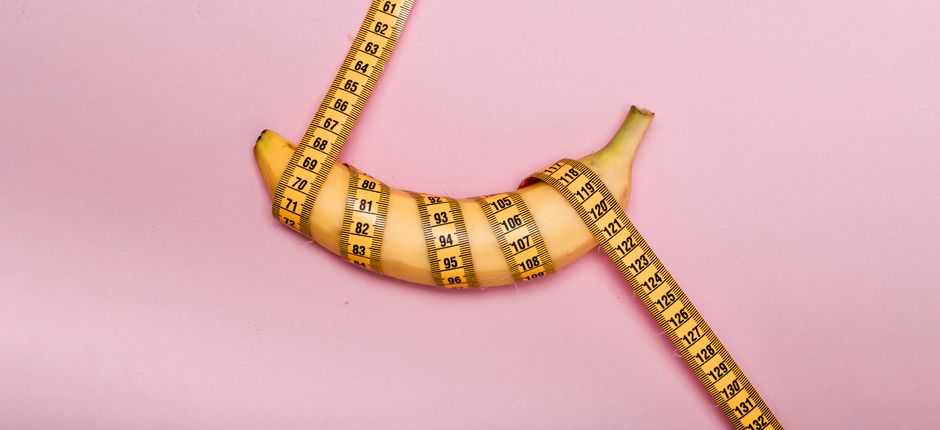
Bananas are not bad for weight loss. No study has found that eating bananas causes weight gain, and a medium banana has about 105 calories. Weight loss depends on your total calorie intake over time, not on whether one particular fruit is on the menu.
The idea that bananas sabotage diets comes from their sugar and carb content. That concern does not hold up well against how the body actually handles whole fruit. What matters more is what you eat alongside the banana and how many calories you take in across the day.
Why do bananas get a bad reputation for weight loss?
Bananas get blamed because they taste sweet and contain more carbohydrate than most other fruits. A medium banana has roughly 27 grams of carbohydrate, and about half of that is sugar. Low-carb diet messaging has taught people to fear those numbers.
The problem with that logic is that it treats a whole fruit like a spoonful of table sugar. They are not the same thing. A banana comes packaged with fiber, water, and potassium. That structure changes how your body absorbs and uses the sugar inside it.
There is also a popular claim that bananas are “fattening” because of their sugar-to-fiber ratio or their ripeness. No clinical evidence confirms that eating ripe versus less ripe bananas has any meaningful effect on body weight.
Are bananas bad for weight loss or just misunderstood?
Bananas are misunderstood. Research consistently shows that fruit intake is not linked to weight gain, and eating more fruit is generally associated with lower body weight, not higher. That pattern holds across large population studies.
What the research does not support is any special fat-burning or fat-storing property in bananas. They are simply a food with calories, carbohydrate, fiber, and nutrients. Whether they help or hinder weight loss depends entirely on how they fit into your daily intake.
One clarification that gets lost: a banana eaten as a snack instead of chips or cookies is a straight upgrade in fiber and nutrient density at a similar or lower calorie cost. A banana eaten on top of a full day of eating that already exceeds your calorie needs adds calories like any other food.
What is actually in a banana?
A medium banana has about 105 calories, 27 grams of carbohydrate, around 3 grams of fiber, and roughly 1 gram of protein. It is also a strong source of potassium and provides vitamin B6 and vitamin C.
The fiber matters for weight management. Fiber slows digestion, which can help you feel full longer and steady your appetite between meals. A banana’s water content adds to that effect. Both are reasons a whole banana tends to satisfy hunger better than an equivalent amount of refined sugar.
Here is how a medium banana compares with a few common snack alternatives:
| Snack (typical portion) | Calories | Fiber |
|---|---|---|
| Medium banana | ~105 | ~3 g |
| 1 oz potato chips | ~150 | ~1 g |
| 2 chocolate chip cookies | ~150 | <1 g |
| 1 cup grapes | ~105 | ~1.4 g |
The comparison makes the point better than any argument. Per calorie, the banana delivers more fiber and more potassium than most typical snack foods.
Do bananas spike blood sugar and cause fat storage?
Bananas raise blood sugar, but so does every food containing carbohydrate. That rise is normal and expected. The body releases insulin to move glucose into cells, and in a person without diabetes this process works as designed.
The concern about insulin “causing fat storage” is often overstated. Insulin does signal the body to store energy, but body fat accumulates when total energy intake exceeds what you burn over time. A single banana does not tip that balance on its own.
Bananas do have a moderate glycemic index, which is a measure of how quickly a food raises blood sugar. Ripeness shifts it somewhat, with riper bananas tending to raise blood sugar a bit faster. For most people without diabetes, this difference is small and not a reason to avoid bananas.
People with diabetes should manage fruit intake as part of their overall carbohydrate plan and with guidance from their clinician. That is a blood sugar management issue, not a reason the fruit is off-limits for weight loss in the general population.
How can bananas fit into a weight loss plan?
Bananas fit easily into a calorie-controlled eating pattern. At around 105 calories, one fits into almost any reasonable daily intake. The practical questions are portion, timing, and what else is on the plate.
- Watch the pairing. A banana with peanut butter or in a smoothie with juice and honey can turn a 105-calorie snack into several hundred calories. The banana is not the problem; the add-ons often are.
- Use it for hunger, not habit. A banana is a good choice when you are genuinely hungry between meals. It is less useful eaten out of routine on top of a full meal.
- Count it toward your fruit intake. Whole fruit belongs in a balanced pattern. Replacing a processed snack with a banana is a reasonable swap.
- Keep portions realistic. One or two bananas a day fits typical eating patterns. Very large amounts add up in calories like any food.
No clinical guidelines set a maximum number of bananas for weight loss. The general principle of matching calorie intake to your goals applies to bananas as it does to everything else.
What does the research actually say about fruit and weight?
Research consistently shows that higher fruit intake is associated with lower body weight and a lower risk of weight gain over time. This holds in large observational studies across different populations. The relationship is strongest when fruit replaces less nutritious foods.
Observational studies cannot prove cause and effect. People who eat more fruit may also have other habits that support a healthy weight. Still, the direction of the evidence is clear and consistent. There is no credible body of research showing that whole fruit causes weight gain.
Some studies suggest that the fiber and water in whole fruit increase fullness and reduce the calories people eat later. Evidence indicates this effect is modest but real. It is one reason whole fruit tends to be more satisfying than fruit juice, which strips out the fiber.
What the research does not show is any special weight loss benefit from bananas specifically. No study has found that bananas burn fat or boost metabolism. They are a nutritious food, not a weight loss tool.
Are there better fruits for weight loss than bananas?
There is no strong evidence that one fruit is meaningfully better than another for weight loss. Fruits differ in calories, fiber, and water content, but the differences are small compared with the overall pattern of your diet.
Berries tend to be lower in calories per serving and higher in fiber relative to their sugar content. Melons and citrus are high in water. Bananas are denser in calories and carbohydrate than these options, but they also tend to be more filling and more portable.
The best fruit for weight loss is the one you will actually eat in place of less nutritious snacks. Variety matters more than picking a single “best” fruit. A diet built around several types of whole fruit is a reasonable approach.
Frequently Asked Questions
Do bananas make you gain weight?
No. No clinical evidence shows that eating bananas causes weight gain. Weight gain comes from eating more calories than you burn over time, and a medium banana has only about 105 calories.
How many bananas can I eat a day when trying to lose weight?
No clinical guidelines set a specific limit for bananas. One or two a day fits typical calorie goals for most adults, but the right amount depends on your total daily intake.
Are bananas high in sugar compared with other fruits?
Bananas contain more sugar than berries or citrus, but they also provide fiber and potassium. Their sugar comes packaged in a whole fruit, which is different from added sugar.
Is it better to eat bananas before or after a workout?
Either timing works. Bananas provide quick carbohydrate for energy and are a convenient snack before or after exercise, but no evidence shows a specific timing matters for weight loss.
