
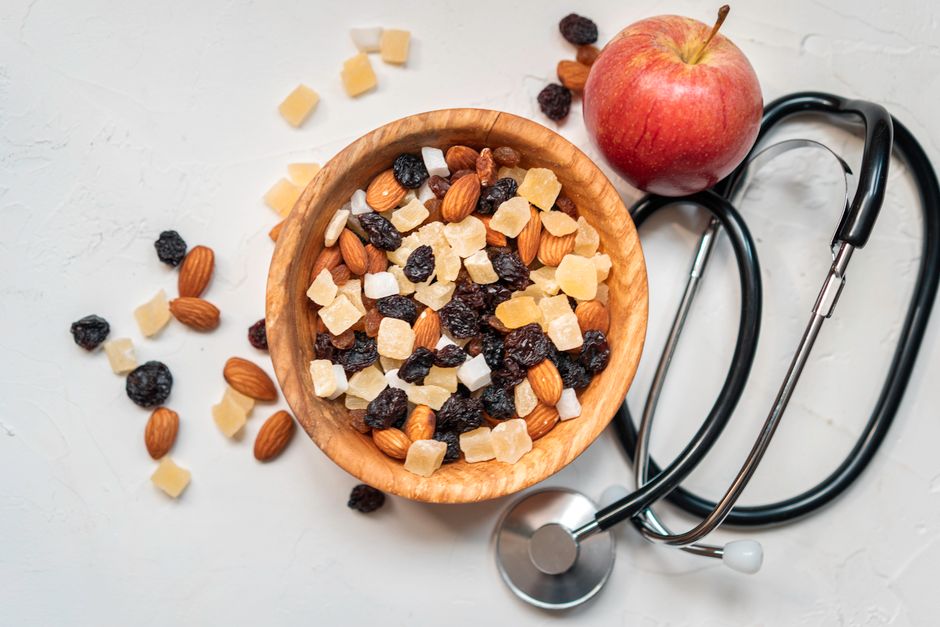
Apples are a good source of dietary fiber, but they are not the highest-fiber fruit you can eat. A medium-sized apple with the skin on provides about 4 grams of fiber, which is roughly 14% of the daily value. The skin holds a significant portion of that fiber, so peeling an apple cuts the total roughly in half. For most people, eating the whole fruit is a simple and effective way to add fiber to their daily intake.
How Much Fiber Is Actually in an Apple?
A medium apple, about 3 inches in diameter, contains approximately 4 grams of fiber. This is based on standard USDA nutritional data. The daily value for fiber is 28 grams for a 2,000-calorie diet. So one apple provides about 14% of your daily fiber needs.
Here is the breakdown by apple size:
- Small apple (about 2.5 inches): roughly 3 grams of fiber
- Medium apple (about 3 inches): roughly 4 grams of fiber
- Large apple (about 3.25 inches): roughly 5 grams of fiber
The type of apple does not change the fiber content much. A Granny Smith and a Honeycrisp have nearly identical fiber profiles. The bigger difference comes from whether you eat the skin.
Does the Skin Really Matter for Fiber?
Yes. The skin of an apple contains a large share of the total fiber. When you peel an apple, you lose roughly half of its fiber content. A peeled medium apple drops to about 2 grams of fiber.
The skin is rich in insoluble fiber, which does not dissolve in water. This type of fiber adds bulk to stool and helps food move through your digestive tract. The flesh of the apple contains pectin, a soluble fiber that dissolves in water and forms a gel-like substance. Soluble fiber can help slow digestion and may help manage blood sugar levels.
Eating the whole apple gives you both types of fiber. This combination supports regular bowel movements and feeds the beneficial bacteria in your gut.
Are Apples High in Fiber Compared to Other Fruits?
Apples are a solid source of fiber, but several common fruits contain more per serving. Here is how a medium apple compares to other fruits:
| Fruit | Fiber per serving |
|---|---|
| Medium apple with skin | 4 grams |
| Medium pear with skin | 6 grams |
| 1 cup raspberries | 8 grams |
| 1 cup blackberries | 8 grams |
| Medium banana | 3 grams |
| 1 cup sliced strawberries | 3 grams |
Berries are the clear winners when it comes to fiber per serving. Pears also edge out apples. But apples remain a practical choice because they are inexpensive, widely available, and easy to eat on the go.





What Is the Daily Fiber Requirement?
The daily value for fiber is 28 grams based on a 2,000-calorie diet. This number comes from FDA labeling standards. Individual needs vary based on age, sex, and total calorie intake.
General guidance suggests:
- Adult women: 21 to 25 grams per day
- Adult men: 30 to 38 grams per day
- Adults over 50: slightly lower needs, around 21 grams for women and 30 grams for men
Most Americans fall short of these targets. The average intake is around 15 grams per day. Adding one apple gets you a meaningful portion of the way there, but most people still need a variety of fiber sources to meet their goals.
Which Apple Variety Has the Most Fiber?
All apple varieties have similar fiber content. The differences between varieties are small and not clinically meaningful. A Red Delicious and a Fuji will both provide about 4 grams of fiber in a medium fruit.
What matters more is how you eat the apple. Keeping the skin on and eating the whole fruit maximizes fiber intake. Drinking apple juice removes nearly all the fiber. Even unfiltered apple juice contains only trace amounts compared to the whole fruit.
If you are choosing apples specifically for fiber, any variety works. Choose the one you enjoy eating. Consistency matters more than variety when building a fiber-rich diet.
Does Apple Fiber Affect Blood Sugar?
The soluble fiber in apples, mainly pectin, slows the emptying of your stomach. This can slow the absorption of sugar into your bloodstream. As a result, whole apples have a lower glycemic response than apple juice or applesauce with added sugar.
This does not mean apples are low in sugar. A medium apple contains about 19 grams of natural sugar. But the fiber changes how your body processes that sugar. The net effect is a moderate rise in blood sugar rather than a sharp spike.
For people with diabetes or prediabetes, whole apples are generally a reasonable choice. Pairing an apple with a source of protein or fat, such as peanut butter, can further blunt the blood sugar response.
Can Apples Help With Digestion and Constipation?
The fiber in apples can support regular bowel movements. Insoluble fiber adds bulk to stool, while soluble fiber draws water into the gut. Both actions help prevent constipation.
But apples are not a laxative. If you are severely constipated, eating more apples alone may not resolve the issue. You also need adequate fluid intake. Fiber without enough water can actually worsen constipation.
Some people find that apples cause bloating or gas, especially if they are not used to eating much fiber. If you are increasing your fiber intake, do it gradually over a week or two. This gives your digestive system time to adjust.
Is Apple Fiber Good for Gut Health?
Apple fiber acts as a prebiotic. This means it feeds the beneficial bacteria in your colon. When gut bacteria ferment soluble fiber, they produce short-chain fatty acids like butyrate. These compounds are a primary energy source for the cells lining your colon.
Research on this topic is ongoing, but the general evidence supports that a diet rich in fiber from whole fruits is associated with a healthier gut microbiome. Apples are one of many fruits that contribute to this effect. No single food is responsible for gut health, and variety across plant foods matters most.
How to Get More Fiber From Apples
The simplest way is to eat the whole fruit with the skin. Here are practical tips:
- Keep apples whole and wash them before eating
- Slice apples and eat them with nut butter for a filling snack
- Add chopped apples to oatmeal or yogurt
- Use apples in salads for extra crunch
- Bake apples with cinnamon for a warm dessert that keeps the fiber intact
Avoid relying on apple juice or apple sauce for fiber. Both have significantly less fiber than the whole fruit. If you do buy applesauce, check the label for added sugar. Unsweetened applesauce still contains only about 1 gram of fiber per half-cup serving.
Are There Any Downsides to Eating Apples?
Apples are safe for most people. The main concern is pesticide residue on the skin. The Environmental Working Group has listed apples on its “Dirty Dozen” list in past years. Washing apples under running water removes some residue but not all. Peeling removes more, but also removes fiber.
If you are concerned about pesticides, buying organic apples is an option. If organic is not available or affordable, washing the apple thoroughly before eating is still a reasonable practice. The health benefits of eating apples likely outweigh the risks from trace pesticide residues for most people.
People with certain digestive conditions, such as irritable bowel syndrome, may find apples trigger symptoms. Apples contain fermentable carbohydrates called FODMAPs. Some people with IBS are sensitive to these compounds. If apples cause bloating or discomfort, a low-FODMAP approach may mean limiting them.
Frequently Asked Questions
Are apples high in fiber?
A medium apple with the skin provides about 4 grams of fiber, which is 14% of the daily value. They are a good source, but berries and pears contain more fiber per serving.
Is apple skin the most nutritious part?
The skin contains about half of the apple’s total fiber and many of its antioxidants. Eating the whole apple with the skin gives you the most nutritional benefit.
What fruit has the most fiber?
Raspberries and blackberries top the list with about 8 grams of fiber per cup. Pears and apples are also good sources, with 6 and 4 grams per medium fruit respectively.
Can eating apples help you lose weight?
Apples are relatively low in calories and high in fiber and water, which can help you feel full. But no single food causes weight loss, and overall diet quality matters more.
