
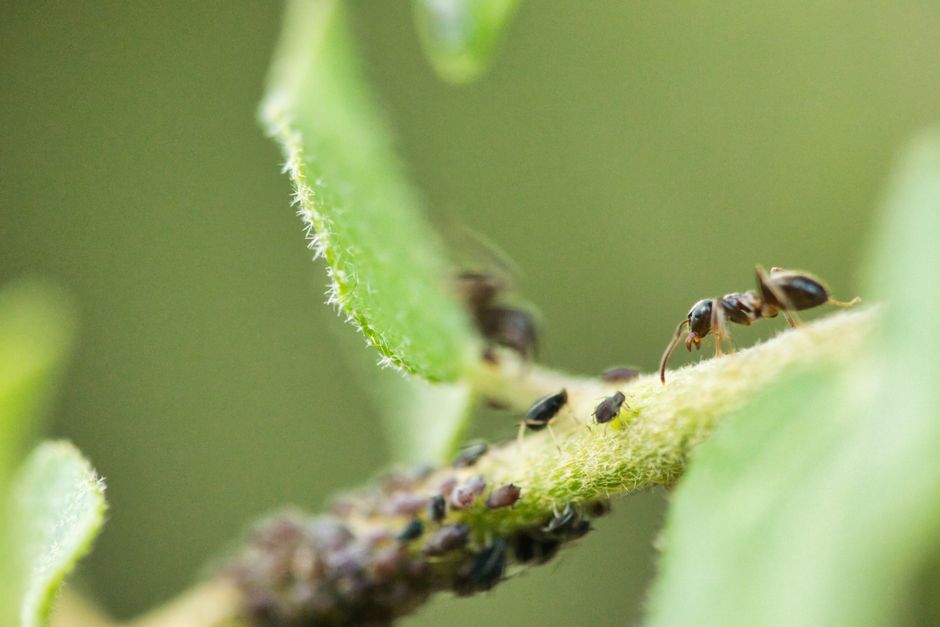
Ants are not bad for a garden. In most cases they help it. They aerate soil, break down dead insects and plant matter, and some species prey on pest eggs and larvae. The trouble starts when ants farm sap-sucking insects like aphids, build nests in pots or under paving, or defend their food supply against the beneficial insects you want around. The ant itself is rarely the problem. What it protects usually is.
What Do Ants Actually Do in a Garden?
Ants are among the most active recyclers in soil. As they tunnel, they move particles and create channels that let air and water penetrate deeper than they otherwise would. This is real, well-documented soil behavior, though the scale of benefit depends on species and population density.
Many ants are also predators or scavengers. They carry off dead insects, seeds, and decaying plant material. Some species hunt the eggs and young of plant pests. In a balanced garden, this cleanup work happens constantly and mostly out of sight.
Ants also disperse seeds. Some plants depend on ants carrying their seeds underground and later abandoning them, a relationship biologists call myrmecochory. It is well established in wild plant ecology. In a home garden, the effect is minor but real.
One non-obvious point: ants are not just passing through your soil. A single colony can move and turn over a meaningful amount of earth over a season, and the effects last after the colony moves on. The tunneling you never see is often the most useful thing they do.
Why Are Ants Bad For A Garden Sometimes?
The main way ants harm a garden is indirect. Certain ants tend aphids, scale insects, and mealybugs the way a farmer tends livestock. They protect these sap-sucking insects from predators and sometimes move them onto fresh plants. The aphids excrete a sugary liquid called honeydew, which the ants eat.
This relationship is well documented. When ants are present, aphid populations can grow faster because their natural predators, including ladybugs and lacewing larvae, are driven off or killed. The plant damage comes from the aphids, not the ants, but the ants make the aphid problem worse.
Ants can also cause other problems:
- Nests built in containers or raised beds can dry out soil and disturb roots.
- Nests under paving, patios, or foundations can shift sand and weaken the surface over time.
- Some species strip bark or harvest seeds, which matters if you are growing from seed.
- A few species deliver painful stings or bites, which is a genuine concern for people with allergies or small children.
Notice what is not on that list. Ants do not usually kill mature plants by themselves. They do not spread most plant diseases the way aphids and leafhoppers do. The direct damage is limited. The indirect damage through farming other insects is where the real trouble lives.
How Do I Tell If Ants Are Helping or Hurting My Plants?
Watch the plants, not the ants. If you see ants climbing stems and gathering around new growth, look closely for aphids or scale. Ants moving up and down a plant are often a sign that a sap-sucking insect colony is nearby.
Check the undersides of leaves and the joints where leaves meet stems. Aphids cluster there. A sticky, shiny residue on leaves, called honeydew, is another sign. So is a black sooty mold that grows on honeydew.
If ants are present but plants look healthy and you find no sap-sucking insects, the ants are most likely doing useful work. If you find dense aphid colonies being tended by ants, the ants are part of the problem and worth managing.
This distinction matters. Treating ants when they are not farming pests removes helpful insects and does not solve anything. The plant tells you which situation you have.
How Do I Stop Ants From Farming Aphids?
The most effective approach targets the connection between ants and aphids, not the ants alone. If you remove the aphids, the ants lose their food source and often move on.
Physical barriers are a common first step. A band of sticky material around a tree trunk or pot rim can stop ants from reaching the canopy. Some gardeners use a ring of petroleum jelly or a commercial insect barrier. These are widely used, though results vary with weather and species.
Controlling the aphids directly is the other half. A strong jet of water knocks aphids off plants. Insecticidal soap or horticultural oil can reduce aphid numbers when applied according to label directions. These products work on contact and need to reach the insects to be effective.
Some gardeners use ant baits or barriers around nest entrances. These can reduce ant numbers, but they are not selective and may affect beneficial species. If you use any pesticide, follow the label exactly. Many products are harmful to pollinators and other helpful insects, and some are restricted for good reason.
A word of caution: do not treat ants broadly across a garden just because they are present. Spot treatment around a specific problem is more targeted and less likely to remove the insects doing useful work elsewhere.
Are Ants Ever a Sign of a Bigger Problem?
Sometimes ants show up because something else is already wrong. Ants nest in dry, disturbed, or decaying material. A nest in a raised bed can mean the soil is drier than it should be. A nest in a rotting stump or log is normal and part of decomposition.
Carpenter ants are a different story. They do not eat wood. They excavate it to build nests, and they prefer wood that is already damp or damaged. Indoors, carpenter ants can indicate a moisture problem in the structure. That is a home issue more than a garden one, but it is worth knowing the difference between ants that nest in soil and ants that tunnel into wood.
If you see ants in the house or in structural wood, the advice changes. That is a pest control question, not a gardening one. Some species that are harmless outdoors can cause real damage indoors, and identifying the species matters.
Should I Try to Remove All the Ants in My Garden?
No. Removing all ants is neither practical nor desirable. Ants are a normal part of a healthy garden ecosystem, and broad removal removes the benefits along with the problems.
The evidence does not support treating ants as a garden-wide pest. What the evidence does support is targeted management when ants are protecting sap-sucking insects or nesting where they cause structural or plant damage.
Think of ants as a signal. Their presence tells you something about the soil, the moisture, and the insects on your plants. Most of the time the signal is neutral or positive. When it is negative, the fix usually involves the aphids, the moisture, or the specific nest, not the ants as a whole.
If you are dealing with a species that stings aggressively, or a nest in a spot where it creates a real hazard, local treatment of that nest is reasonable. General guidelines for pesticide use apply. Read the label, protect pollinators, and avoid treating flowering plants when bees are active.
Frequently Asked Questions
Are ants bad for a garden?
No, ants are usually helpful in a garden. They aerate soil, break down dead material, and some prey on pest insects. Problems arise mainly when ants protect aphids or nest in containers and paving.
Do ants eat aphids or protect them?
Some ants do both, but many common garden ants protect aphids to harvest the honeydew they produce. This protection can let aphid populations grow because the ants drive off the aphids’ natural predators.
How do I get rid of ants on my plants without harming the plants?
Target the aphids first, since removing them often makes ants leave. A strong water spray, insecticidal soap, or a sticky barrier around the trunk or pot can help. Follow all product labels and avoid treating flowers when pollinators are active.
Do ants harm vegetable gardens?
Usually not directly, though they can farm aphids on vegetables and disturb soil in raised beds. Some species harvest seeds, which matters if you are growing from seed. Healthy plants with no sap-sucking insects are rarely harmed by ants.
