
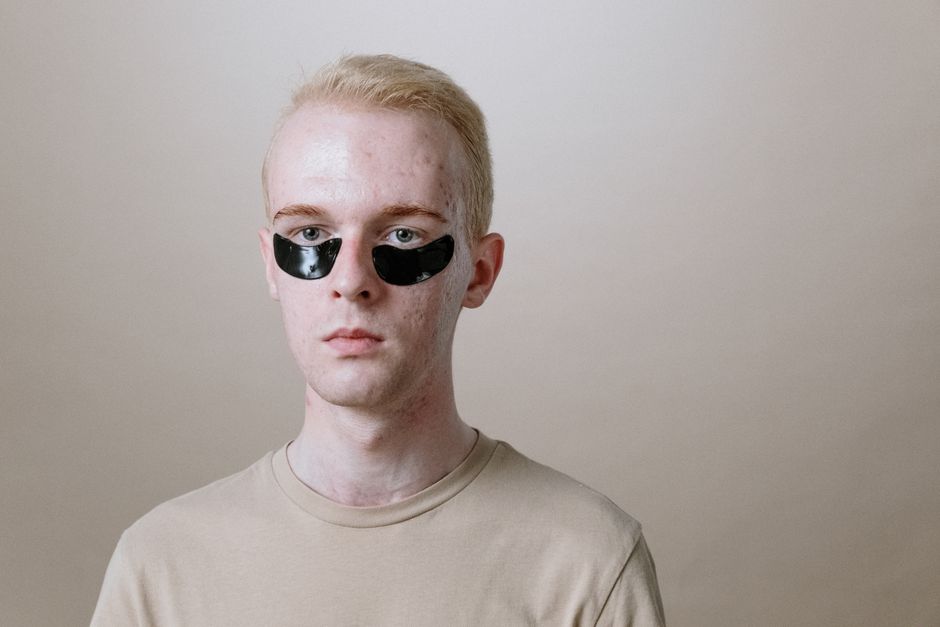
Yes — acne and pimples are the same thing. “Pimple” is the everyday word people use for a single visible bump, while “acne” is the medical term for the skin condition that produces those bumps. One is a symptom you can point to; the other is the ongoing process behind it.
That distinction sounds minor, but it matters. It explains why one pimple can show up on an otherwise clear face, and why some people keep getting them in the same spots for years. It also explains why treating a single pimple and treating acne are not quite the same job.
Are Acne And Pimples Really The Same Thing?
They describe the same underlying process at two different scales. A pimple is one lesion. Acne is the condition that keeps producing lesions.
Dermatologists use the word acne to describe a disorder of the pilosebaceous unit — the hair follicle plus its attached sebaceous gland. That unit exists everywhere on your skin except the palms, soles, and a few other hairless areas. On the face, chest, upper back, and shoulders, these units are dense and their glands are large. That is why acne shows up in those places far more than on your forearms.
So when someone says “I have a pimple,” they are describing one inflamed follicle. When a clinician says “you have acne,” they are describing a pattern of those events happening repeatedly, usually with several types of lesions present at once.
What Actually Causes A Pimple To Form?
Four things have to line up. Dermatology textbooks generally describe acne as requiring increased sebum production, abnormal shedding of dead skin cells inside the follicle, overgrowth of Cutibacterium acnes bacteria, and inflammation. Remove any one of those and the lesion usually does not form.
Here is the sequence. Sebaceous glands ramp up oil output, largely under hormonal influence. At the same time, cells lining the follicle do not shed normally — they stick together and form a plug. That plug is what you see as a blackhead (open) or a whitehead (closed). The dark color of a blackhead is not dirt. It is oxidized melanin and lipid exposed to air. That is a common misconception worth correcting, because it stops people from scrubbing their faces raw trying to wash “dirt” out.
Once the follicle is plugged, C. acnes — a bacterium that normally lives on everyone’s skin — multiplies in the oxygen-poor environment. The immune system responds. That response is the redness, swelling, and tenderness of an inflamed pimple.
This is why acne is not a hygiene problem. You cannot scrub away a plugged follicle. You cannot sterilize your skin of a bacterium that is part of its normal resident population.
What Are The Different Types Of Acne Lesions?
Not every bump on an acne-prone face is the same kind of bump. This matters because different lesion types respond differently to treatment.
- Comedones — blackheads and whiteheads. Non-inflammatory. The plug without significant immune response.
- Papules — small red, tender bumps. Inflamed, but no visible pus.
- Pustules — what most people picture when they say “pimple.” Red base with a white or yellow center of pus.
- Nodules — larger, deeper, solid lumps under the skin. Often painful. Can leave scars.
- Cysts — deep, pus-filled, and the most likely to cause permanent scarring.
Mild acne is mostly comedones with a few papules. Moderate acne adds more inflammatory lesions. Severe acne involves nodules and cysts. That grouping is not cosmetic — it guides treatment decisions, and it is why a dermatologist asks to see your whole face rather than one spot.





Why Do Some People Get Acne And Others Don’t?
Acne is common. It affects most people at some point during adolescence, and it can persist into adulthood. Estimates vary by how studies define and count cases, but it is among the most frequently diagnosed skin conditions in dermatology practice.
Several factors genuinely influence who gets it and how badly:
- Hormones. Androgens increase sebum production. This is why acne typically begins around puberty and why it can flare before menstrual periods.
- Genetics. Acne runs in families. If a parent had significant acne, that raises the likelihood of similar patterns.
- Medications. Some drugs — certain steroids, lithium, and others — are associated with acne flares.
- Cosmetics and skincare. Heavy occlusive products can contribute to clogged follicles in some people.
Diet is more debated. Some research suggests that high-glycemic diets and possibly dairy intake may be associated with acne in some populations, but the findings are not consistent across studies and the effect sizes reported tend to be modest. It is reasonable to say the evidence is mixed. It is not reasonable to tell someone that cutting dairy will clear their skin.
Stress is often blamed. The relationship is plausible through hormonal pathways, but the human evidence is not strong enough to state it as a confirmed cause.
Does Acne Go Away On Its Own?
Often, yes — but not always, and not necessarily without marks left behind.
For many people, acne improves substantially by the mid-twenties as hormonal activity stabilizes. For others it continues into the thirties, forties, and beyond. Adult acne is more common in women than men, and it frequently concentrates on the lower face and jawline.
The problem with waiting is scarring. Inflammatory acne — especially nodules and cysts — can leave permanent indentations or raised scars. Post-inflammatory hyperpigmentation, the flat brown or red marks left after a pimple heals, is different from true scarring and often fades over months, though it can take a long time in darker skin tones.
There is no reliable way to predict from a single pimple whether someone will scar. Family history of scarring, lesion depth, and how long inflammation persists all seem to matter, but this is an area where clinicians generally lean toward treating earlier rather than waiting to see.
What Actually Helps With Acne?
Treatment depends on severity and lesion type, and this is genuinely a case where a clinician’s assessment matters more than a general article can offer.
For mild comedonal acne, over-the-counter options are commonly used. Topical retinoids — available by prescription and, in weaker forms, over the counter — are widely regarded as a foundation of acne treatment because they address the abnormal cell shedding that starts the process. Benzoyl peroxide has antibacterial activity and is available without a prescription. Salicylic acid is used for milder, non-inflammatory lesions.
For moderate to severe acne, prescription treatments are generally needed. These can include stronger topical retinoids, topical or oral antibiotics, and in some cases oral isotretinoin. Oral isotretinoin is effective for severe nodular acne, but it carries significant risks and requires monitoring — it is not a casual option.
A few honest points about what does not work well:
- Scrubbing or exfoliating aggressively tends to worsen irritation without clearing the plug.
- Popping pimples increases the risk of deeper inflammation and scarring.
- Toothpaste, lemon juice, and similar home remedies have no supporting evidence and can irritate or burn skin.
Results from most acne treatments take weeks to months, not days. That timeline is a common reason people abandon treatment early — they judge it before it has had a chance to work. If you are starting a new treatment, it is worth asking your clinician what a realistic timeline looks like for your specific regimen.
If acne is leaving scars, causing significant distress, or not responding to over-the-counter products after a reasonable trial, seeing a dermatologist is the sensible next step. Severe acne is a medical condition, not a cosmetic inconvenience.
Frequently Asked Questions
Is a pimple the same as acne?
A pimple is a single lesion, while acne is the condition that produces those lesions. Every pimple is part of acne, but not everyone with one pimple has ongoing acne.
Can you have acne without pimples?
Yes. Comedonal acne consists of blackheads and whiteheads without the red, inflamed bumps most people call pimples. It is still acne and still responds to acne treatment.
Does chocolate cause acne?
The evidence does not support chocolate specifically as a cause of acne. Some research points to high-glycemic diets and possibly dairy as factors in some people, but findings are inconsistent and effects are modest.
How long does a pimple take to go away?
A typical inflamed pimple resolves over several days to about a week. Deeper nodules and cysts can take considerably longer, and the marks they leave behind may persist for months.
