
Most weight loss plans fail for a simple reason: they ask you to change everything at once and then rely on willpower to hold it together. The real answer is less exciting. Lasting weight loss comes from a sustained calorie deficit you can actually live with, paired with enough protein and movement to protect your muscle. That is the whole foundation. Everything else is detail.
What makes this hard is not knowing what to do. It is doing it for months, not weeks. The plan that works is the one you can keep doing after motivation fades.
What Actually Makes a Weight Loss Plan Work?
A calorie deficit is the only mechanism that produces weight loss. Your body stores excess energy as fat. When you take in less energy than you burn, it draws on that stored fat. No food, supplement, or timing trick changes this basic math.
The size of the deficit matters more than people think. A modest deficit produces steady loss you can maintain. An aggressive one produces faster results that most people cannot sustain, and it increases the risk of losing muscle along with fat. Some clinicians recommend aiming for a slow, steady rate of loss rather than a rapid one, because the slower approach tends to hold up better over time.
Protein and resistance training are the two levers that protect lean muscle during weight loss. Muscle burns more energy at rest than fat does, so losing it works against you. Getting adequate protein and doing some form of strength work helps preserve the tissue you want to keep.
Sleep and stress are not the foundation, but they are not irrelevant either. Short sleep and chronic stress can push appetite up and make sticking to a plan harder. They rarely explain weight gain on their own, but they make a difficult task more difficult.
How Many Calories Should You Eat to Lose Weight?
There is no single number that fits everyone. Your calorie needs depend on your body size, age, sex, and activity level. A person who is taller and more active burns more than someone smaller and sedentary.
Rather than chasing a precise figure, most people do better starting with a moderate reduction from what they currently eat. Cutting a large amount all at once tends to backfire. A smaller cut is easier to sustain and still produces results over time.
Your body also adapts. As you lose weight, you burn fewer calories because you are carrying less mass. This is normal and expected. It means the deficit that worked at the start may need adjusting later. This is one reason weight loss slows over time — not because the plan stopped working, but because the body changed.
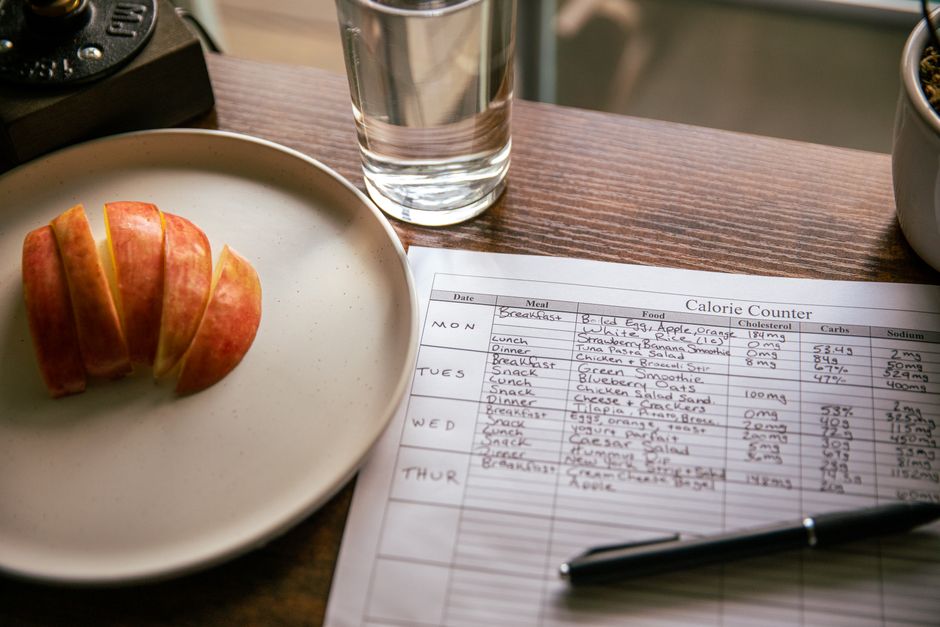
Weighing food for a week or two can be eye-opening. Most people underestimate how much they eat, often by a meaningful margin. You do not need to weigh food forever, but a short period of tracking builds awareness that lasts.
Do You Need to Cut Carbs or Fat?
No. The total calories matter more than the split between carbs, fat, and protein. Research comparing low-carb and low-fat diets generally finds similar weight loss when calories are matched. The best approach is the one you can stick with.
That said, two things are worth paying attention to:
- Protein helps you feel full and protects muscle. It has a higher thermic effect than carbs or fat, meaning your body burns slightly more energy digesting it.
- Fiber from vegetables, fruit, beans, and whole grains also supports fullness and is linked to better health outcomes.
Very low-carb diets can produce faster early weight loss, but much of that initial drop is water, not fat. Over months, the difference between diet styles tends to shrink. Pick the pattern you can eat for years, not weeks.
Is Exercise Necessary for Weight Loss?
Exercise helps, but it is a weak tool for creating a calorie deficit on its own. It is easy to eat back the calories you burn in a workout. A hard hour at the gym can be undone by a single large snack.
Where exercise earns its place is in protecting muscle and supporting long-term maintenance. People who keep weight off tend to be physically active. Resistance training in particular helps preserve lean mass while you lose fat.
Walking is underrated. It burns calories, it is easy to recover from, and it does not spike appetite the way intense exercise sometimes can. For many people, adding daily steps is more sustainable than adding intense workouts.
Think of exercise as protecting your body during weight loss and helping you keep the result afterward — not as the main engine of the deficit.
Why Do Most Weight Loss Plans Fail?
Most plans fail because they are too restrictive to last. They demand foods you do not enjoy, eliminate entire categories, or require a level of time and effort that does not fit real life. When the plan collapses, people often blame themselves. The plan was the problem.
Another common failure is all-or-nothing thinking. One off day becomes a lost week, which becomes quitting. Weight loss is not linear. Plateaus, holidays, and stress are normal. The people who succeed are not the ones who never slip. They are the ones who get back on track the next day.
There is also a physiological side. When you lose weight, hunger hormones shift in ways that increase appetite. This is a real biological response, not a character flaw. It explains why maintenance is often harder than the loss itself. Knowing this helps you plan for it instead of being blindsided.
What Does a Realistic Weight Loss Plan Look Like?
A realistic plan is boring on purpose. It is built from habits you can repeat without much thought, not from a dramatic overhaul.
- Eat a moderate calorie deficit you can sustain without constant hunger.
- Get enough protein to protect muscle and support fullness.
- Include vegetables and fiber-rich foods at most meals.
- Do some resistance training two or more times a week, plus regular walking.
- Track your intake for a while to build awareness, then loosen up.
- Weigh yourself on a consistent schedule and watch the trend, not daily swings.
- Plan for setbacks instead of expecting perfection.
Rate of loss varies by person. A slow, steady pace is generally easier to maintain and less likely to cost you muscle. Rapid loss is possible, but it usually comes back, and it often takes lean tissue with it.
One non-obvious point: the habits that get weight off are not always the same ones that keep it off. Losing weight rewards a deficit. Keeping it off rewards a sustainable lifestyle you do not have to fight. Plan for both from the start.
When Should You Talk to a Doctor?
Talk to a doctor before starting a weight loss plan if you have a chronic condition such as diabetes, heart disease, or kidney disease, or if you take prescription medications. Some conditions and drugs affect weight, appetite, and how your body handles food.
Also seek medical guidance if you have a history of an eating disorder, or if you notice rapid weight loss without trying, persistent fatigue, or other symptoms that do not fit the plan. Unexplained weight loss is a reason to get evaluated, not celebrated.
For some people, medical treatment for obesity is appropriate. Prescription medications and, in certain cases, surgery are options that clinicians may recommend based on individual circumstances. These are decisions to make with a doctor, not from a magazine article. No single approach works for everyone.
Frequently Asked Questions
What is the fastest way to lose weight safely?
A moderate calorie deficit combined with adequate protein and resistance training is the safest sustainable approach. Faster loss is possible but tends to cost muscle and is harder to maintain.
How long does it take to see results from a weight loss plan?
Most people notice early changes within a few weeks, though much of that is water. Fat loss becomes visible over a longer period, and the pace varies by person.
Do I have to count calories to lose weight?
No, but tracking for a short time helps most people understand their intake. The deficit still has to exist, whether you count it or not.
Can I lose weight without exercise?
Yes, weight loss comes from the calorie deficit. But exercise helps protect muscle and supports keeping the weight off, so it is worth including.
