
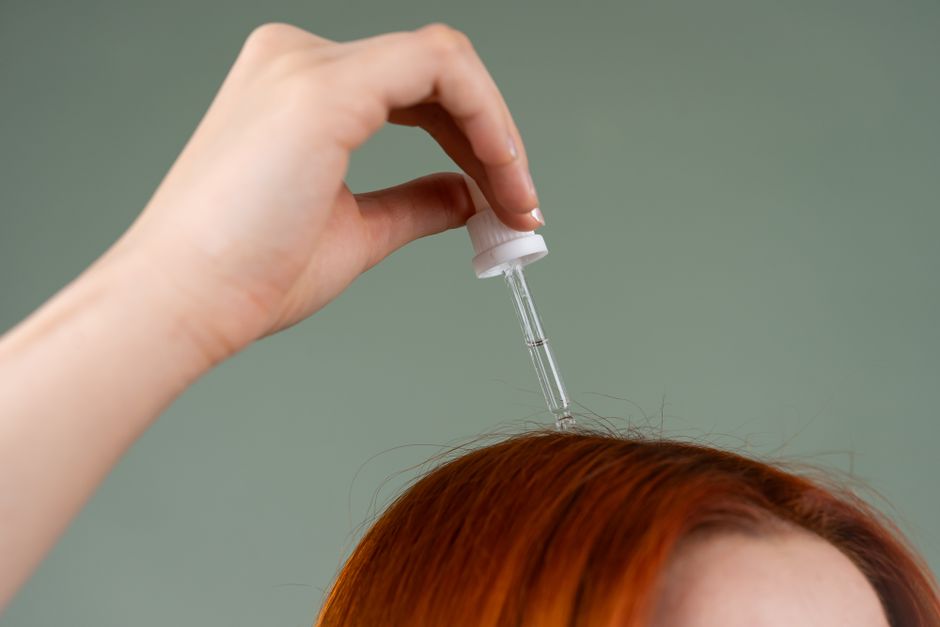
Head lice are a common problem, especially for families with school-aged children. The good news is that they do not spread disease, and they are treatable. Treating nits and lice requires two main steps: killing the live lice and then removing the nits (eggs) from the hair. The most reliable approach combines a proven treatment product with careful, manual removal using a fine-toothed comb.
What Are Nits and Lice Exactly?
Head lice are tiny, wingless insects that live on the human scalp and feed on small amounts of blood. They are about the size of a sesame seed. Nits are the eggs that lice lay. They are glued firmly to the base of the hair shaft, close to the scalp.
Nits are often mistaken for dandruff or hair product residue. The key difference is that nits are hard to remove because they are stuck to the hair with a strong, cement-like substance. Dandruff flakes off easily. Nits that are empty, hatched, or dead may be further down the hair shaft as the hair grows out.
Live lice move quickly and avoid light, making them hard to spot. A fine-toothed comb is the best tool for finding them. Wetting the hair and using a detection comb can make live lice easier to see and identify.
How To Treat Nits And Lice: The Step-by-Step Process
Treatment works best when you follow a clear process. Start by checking everyone in the household. Only treat people who have live lice or nits. Treating everyone “just in case” is not recommended and can lead to unnecessary chemical exposure.
Here is the standard treatment process for a person with an active infestation:
- Apply a lice treatment product according to its label instructions. This is usually done on dry hair.
- Leave the product on for the exact time stated. Do not leave it on longer or shorter than directed.
- Rinse the hair thoroughly over a sink, not in the shower. This limits skin exposure to the product.
- Use a fine-toothed nit comb to remove dead lice and nits. Work through the hair in small sections.
- Check the hair again after 8 to 12 hours. If you see live lice moving, the product may not have worked, or the lice are resistant to it.
- Repeat treatment after 9 to 10 days if the product label recommends it. This timing targets newly hatched lice before they can lay more eggs.
Manual removal is not optional. No treatment product kills every single nit. The eggs that survive will hatch in about a week. Combing removes these eggs and breaks the life cycle.
Which Lice Treatments Work Best?
Several over-the-counter and prescription options exist. The choice depends on the active ingredient, local resistance patterns, and whether you are treating a child or an adult.
Pyrethrin-based products are available over the counter. They are derived from chrysanthemum flowers. They kill live lice but do not reliably kill nits. A second application is usually needed. Some areas have lice that are resistant to pyrethrins.
Permethrin 1% lotion is another common over-the-counter choice. It is a synthetic version of pyrethrin. It also requires a second treatment about a week later. Resistance is increasing in many parts of the United States.
Prescription options include benzyl alcohol lotion, spinosad suspension, and ivermectin lotion. These products work differently. Spinosad and ivermectin are often effective against lice that are resistant to permethrin. A healthcare provider can help you decide which product is appropriate.
No product is 100% effective in a single application. The key is to follow the label exactly and combine the treatment with thorough combing.
How To Remove Nits From Hair
Removing nits is the most time-consuming part of treatment. It is also the most important for preventing a new infestation. A nit comb is essential. Metal combs with fine, close-set teeth work better than plastic ones.
Here is an effective combing technique:
- Wash and condition the hair. Conditioner makes the hair slippery and easier to comb.
- Divide the hair into four sections using clips.
- Start at the scalp and comb outward to the ends of the hair.
- Wipe the comb on a paper towel after each stroke. Look for lice and nits on the towel.
- Work through each section completely before moving to the next.
- Rinse the comb in hot water between sections.
Some parents use a vinegar or acidic rinse to help loosen nits. The evidence for this is not strong. Nits are firmly attached and may not loosen easily. Combing with conditioner is the more reliable method.
Plan to comb the hair every 2 to 3 days for at least 2 weeks. This catches any lice that hatch after the initial treatment. It is tedious work, but it is the step that ends the infestation.
Home Remedies: What Works and What Does Not
Home remedies for lice are popular, but most lack strong evidence. Some are ineffective, and a few are dangerous.
Mayonnaise, olive oil, butter, and petroleum jelly are sometimes applied to suffocate lice. The idea is that these thick substances block the lice’s breathing pores. Studies have not confirmed that this works reliably. Lice can survive for hours without breathing through their pores. These products also require leaving the hair covered for extended periods, often overnight. The evidence does not support this as a first-line treatment.
Essential oils like tea tree oil and lavender oil have shown some insecticidal activity in laboratory studies. Clinical evidence in humans is limited. Tea tree oil can cause skin irritation, especially in children. It should never be swallowed. No clinical guideline currently recommends essential oils as a primary lice treatment.
Products containing kerosene, gasoline, or other flammable liquids are extremely dangerous. These should never be used. They pose a serious fire hazard and can cause chemical burns on the scalp.
Vinegar does not kill lice. It may help dissolve the “glue” that attaches nits, but this effect is not well documented in clinical studies. If you use vinegar, do not expect it to replace combing.
Some household treatments are not harmful but also not helpful. The most honest position is that no home remedy has been proven to be as effective as approved lice treatments combined with manual removal.
How To Prevent Reinfestation
Preventing lice requires understanding how they spread. Lice do not jump or fly. They crawl from one head to another through direct head-to-head contact. This most often happens during play, sports, or when children share a bed.
Lice survive only briefly away from the human scalp. They need blood to live. Off the head, they usually die within 24 to 48 hours. Nits cannot hatch at room temperature away from the scalp.
Because of this, cleaning the home is less important than many people think. Focus on items that have been in direct contact with the head in the 48 hours before treatment. These include:
- Hats, scarves, and helmets
- Hair brushes, combs, and hair accessories
- Pillowcases and bedding
- Stuffed animals or upholstered furniture where the person rested their head
Wash these items in hot water and dry them on high heat. Items that cannot be washed can be sealed in a plastic bag for 2 weeks. Soak combs and brushes in hot water (at least 130°F) for 10 minutes.
Do not use insecticide sprays in the home. They are not needed and can be harmful if inhaled. Vacuuming floors and furniture is sufficient.
Do not ban your child from school. The American Academy of Pediatrics and the National Association of School Nurses recommend that children with lice be allowed to finish the school day. They should return to school after the first treatment. “No-nit” policies that exclude children until every egg is gone are not supported by evidence.
When To See a Healthcare Provider
Most lice infestations can be managed at home. See a healthcare provider if you have tried an over-the-counter treatment correctly and still see live lice after two applications. This may indicate resistance to the product.
Also seek medical advice if the scalp becomes red, swollen, or infected from scratching. Signs of infection include crusting, oozing, or tender lymph nodes in the neck. A provider can prescribe a different treatment or treat the secondary infection.
If you are pregnant, breastfeeding, or treating a child under 2 years old, talk to a provider before using any lice product. Some active ingredients are not approved for infants. For children under 2, manual removal with a nit comb is often the first-line approach, as no clinical guidelines currently support the use of most chemical treatments in this age group.
Frequently Asked Questions
Can lice survive on pillows and bedding?
Lice can survive for up to 48 hours off the scalp, but they rarely re-infest from bedding. Washing pillowcases and sheets in hot water is a reasonable precaution.
Do I need to treat the whole family for lice?
Only treat people with live lice or nits. Check everyone closely, but do not apply treatment products to people who are not infested.
How long does it take to get rid of lice completely?
With proper treatment and combing, live lice are usually gone within 24 hours. The full process takes about 2 weeks to ensure all nits have hatched and been removed.
Can you get lice from a swimming pool?
Lice can survive in chlorinated water for short periods, but transmission in pools is unlikely. Lice spread mainly through direct head-to-head contact.
