
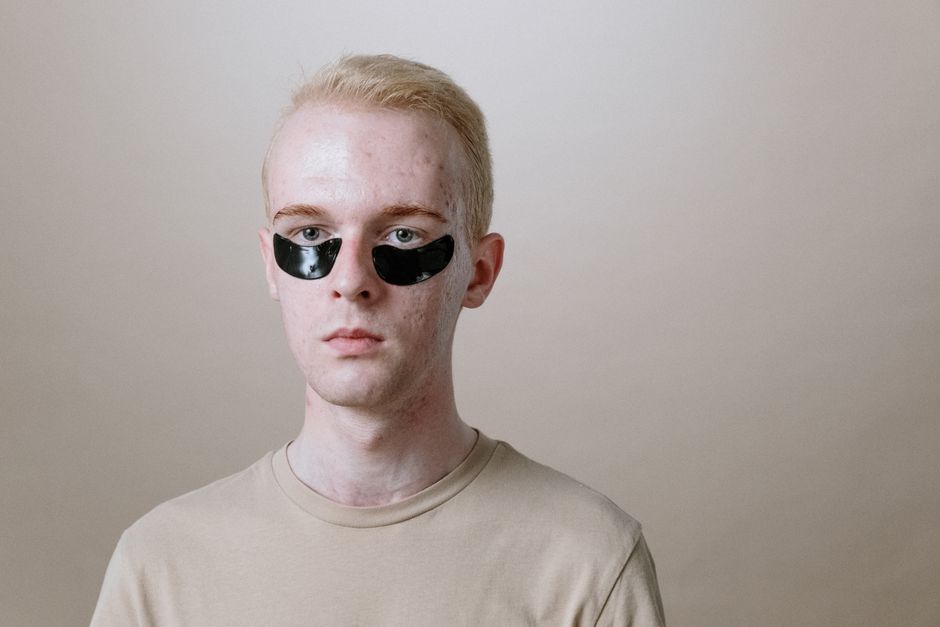
Acne scars form when the skin’s healing process after a breakout produces too little collagen, too much collagen, or an uneven mix of both. How to get rid of pimple scars from mild to deep depends almost entirely on scar type, not scar age or severity alone. Mild surface marks often fade on their own or with over-the-counter ingredients, while deep indentations and raised scars usually need procedures performed by a dermatologist.
What Actually Causes Pimple Scars?
A pimple becomes a scar when inflammation damages the deeper layer of skin called the dermis. The dermis holds collagen and elastin, the proteins that give skin its structure and bounce.
When a breakout is deep or inflamed enough, the body tries to repair that damage by rebuilding collagen. Sometimes it builds too little. Sometimes it builds too much. Sometimes it lays the new tissue down in a disorganized pattern. Each of those outcomes produces a different kind of scar.
This is why popping, squeezing, or picking at a pimple raises your risk. That pressure pushes inflammation and bacteria deeper into the skin, and it damages tissue that was not damaged before. The same goes for trying to “get the pus out” with a needle or fingernail.
Genetics matter too. Some people scar easily after a minor breakout. Others have severe acne and heal with little visible marking. If close family members have indented acne scars, you may be more prone to them.
What Is The Difference Between A Pimple Scar And A Dark Spot?
Most dark marks left behind by acne are not scars at all. They are a temporary color change, and they fade.
Dermatologists divide these marks into two groups. Post-inflammatory hyperpigmentation (PIH) is brown or tan discoloration. Post-inflammatory erythema (PIE) is pink or red discoloration. Both sit in the upper layers of skin and do not involve a change in skin texture.
Scars are different. A true scar changes the texture or surface of the skin. It may be indented, raised, or firm to the touch. If you stretch the skin gently and the mark flattens out or disappears, it is more likely a color mark. If it stays depressed or raised, it is a scar.
This distinction matters because the treatments are different. Pigment responds to ingredients that interrupt excess melanin production or calm inflammation. Scars respond to treatments that rebuild or break down collagen. Using a scar treatment on a dark spot is not harmful, but it may not do much.
One clarification worth knowing: PIH and PIE are not the same thing, and they respond to different approaches. Brown marks involve melanin. Red or pink marks involve blood vessels and inflammation. Many people treat both the same way and see slow results.
What Are The Different Types Of Acne Scars?
Acne scars fall into a few main categories, and each one needs a different approach.
- Ice pick scars are narrow, deep, and look like small punctures. They can extend into the deeper dermis.
- Boxcar scars are wider with defined, sharp edges. They look like shallow craters.
- Rolling scars give the skin a wavy or uneven look, caused by fibrous bands pulling the surface down.
- Hypertrophic scars are raised and firm. They stay within the original wound area.
- Keloid scars are raised and grow beyond the original spot. They are more common in people with darker skin tones.
Many people have more than one type at once. That is common, and it usually means a single treatment will not address everything. A dermatologist can map out which scars are which and plan accordingly.




How To Get Rid Of Pimple Scars From Mild To Deep
The right treatment depends on depth and type, not on how long the scar has been there. Here is how the options line up by severity.
| Scar Type | Typical Depth | Common Approaches |
|---|---|---|
| PIH / PIE (color marks) | Surface | Sun protection, retinoids, azelaic acid, vitamin C, niacinamide |
| Shallow boxcar or rolling | Superficial | Chemical peels, microneedling, fractional laser |
| Ice pick | Deep | TCA CROSS, punch excision, fractional laser |
| Rolling scars | Mid to deep | Subcision, fillers, microneedling, laser |
| Raised (hypertrophic/keloid) | Above surface | Steroid injections, silicone, laser, cryotherapy |
For mild marks, over-the-counter ingredients can help over time. Retinoids support skin cell turnover. Azelaic acid, vitamin C, and niacinamide may help with pigment and inflammation. These work slowly, often over months, and they are better at fading color than at filling indentations.
For shallow indentations, in-office treatments are usually needed. Chemical peels remove surface layers and can improve texture. Microneedling creates tiny controlled wounds that trigger collagen rebuilding. Fractional lasers resurface skin in a pattern that leaves some untreated skin to speed healing.
For deep scars, more targeted procedures are used. TCA CROSS places a strong acid directly into ice pick scars to break down the scar tissue and encourage new collagen. Punch excision removes a deep scar entirely and closes the skin. Subcision uses a small needle to cut the fibrous bands that pull rolling scars downward.
No single treatment reliably erases every scar. Most dermatologists combine approaches and plan for multiple sessions. Improvement is the realistic goal, not perfect skin.
Do Home Remedies And Over-The-Counter Products Work?
Some over-the-counter ingredients have real evidence behind them for fading color marks. Others, including many popular home remedies, do not.
Ingredients with reasonable support for pigmentation include retinoids, azelaic acid, vitamin C, niacinamide, and sunscreen. Sunscreen matters more than most people expect. Without daily sun protection, UV exposure darkens existing marks and can undo months of progress.
Home remedies like lemon juice, baking soda, and apple cider vinegar are a different story. There is no clinical evidence that they fade scars, and all three can irritate or burn the skin. Irritation can actually make pigmentation worse.
No cream or serum currently on the market has been shown to erase indented or raised scars. That is a key point. If a product claims to remove deep acne scars, that claim is not supported by clinical evidence. Topical products can improve color and texture slightly. They cannot rebuild lost collagen or flatten a raised scar on their own.
What Does A Dermatologist Do For Deep Scars?
For deep scars, a dermatologist uses procedures that change the skin’s structure. These are done in a clinic and often require several sessions.
Laser resurfacing uses light energy to remove damaged surface layers and trigger collagen production. Fractional lasers treat the skin in small columns, which shortens recovery compared with older full-surface lasers. Results build over months as new collagen forms.
Microneedling uses fine needles to create controlled micro-injuries. Some versions add radiofrequency energy to reach deeper layers. It is often used for rolling and boxcar scars.
Subcision is a minor procedure where a needle is inserted under the scar to cut the fibrous bands tethering it down. It is frequently paired with fillers or other treatments for rolling scars.
Fillers inject material under indented scars to raise them to the surrounding skin level. Results are temporary and need repeat sessions, but they offer immediate improvement.
For raised and keloid scars, treatment usually focuses on flattening and calming the tissue. Steroid injections, silicone sheets, and laser therapy are common. Keloids can be stubborn and may return after treatment, so follow-up care matters.
Recovery time varies. Some procedures leave redness for days, others for weeks. Your dermatologist will explain what to expect based on the specific treatment.
Can You Prevent Acne Scars In The First Place?
The most effective way to prevent acne scars is to treat active acne early and avoid picking. Scarring happens when inflammation runs deep, so controlling breakouts reduces the risk.
Do not squeeze, pop, or scratch pimples. This is the single most controllable factor. It pushes inflammation deeper and increases tissue damage.
See a dermatologist if acne is persistent, painful, or leaving marks. Early treatment with prescription options can prevent scars from forming in the first place. Once a scar has formed, prevention is no longer the goal. Treatment is.
Daily sunscreen use protects existing marks from darkening. It also supports the skin’s natural healing process after any treatment.
How Long Does It Take To See Results?
Color marks often fade over several months on their own, faster with consistent treatment. Indented and raised scars do not fade on their own. They need procedures, and results build slowly.
Collagen remodeling takes time. After laser, microneedling, or subcision, most people see gradual improvement over weeks to months, with full results often taking several months and multiple sessions. This timeline reflects how skin rebuilds itself, not how fast a clinic operates.
Managing expectations matters. Most people see meaningful improvement, not complete removal. That is the honest picture for deep scars.
Frequently Asked Questions
Can pimple scars go away on their own?
Color marks like PIH and PIE often fade on their own over months. True indented or raised scars do not go away without treatment.
What is the fastest way to get rid of deep acne scars?
Deep scars respond best to in-office procedures like laser resurfacing, subcision, or TCA CROSS, often combined over several sessions. No single treatment removes deep scars quickly, and results build over months.
Do acne scar creams really work?
Creams with retinoids, azelaic acid, or vitamin C can help fade color marks over time. No topical product has been shown to erase indented or raised scars.
Is it better to see a dermatologist or try home remedies first?
For color marks, over-the-counter ingredients and sunscreen are a reasonable first step. For indented or raised scars, a dermatologist is the better starting point because home remedies cannot change scar structure.
