
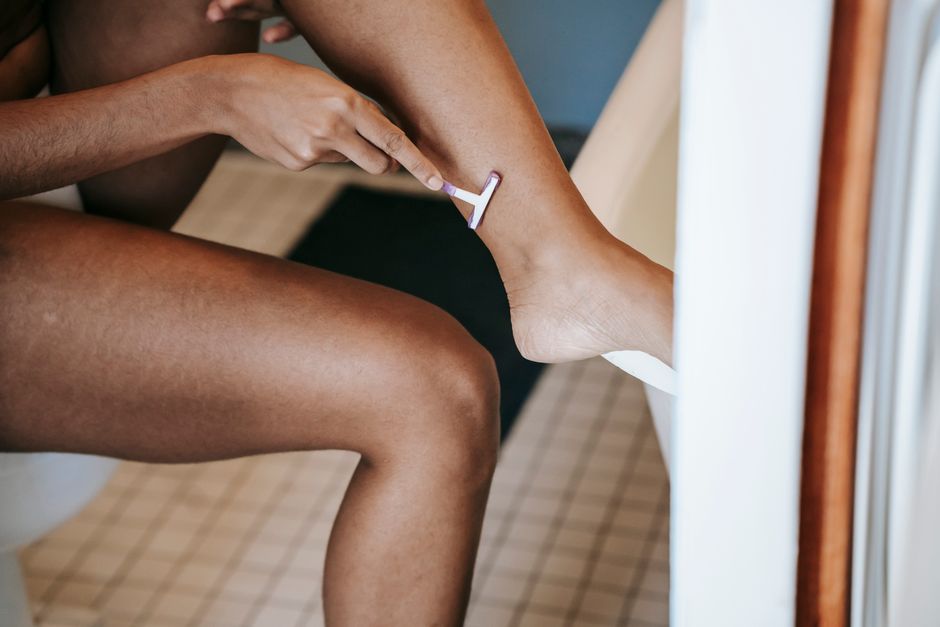
Shaving pubic hair is a personal choice, and doing it safely comes down to a few basics: start with clean, dry skin, use a fresh sharp razor, shave in the direction the hair grows, and moisturize afterward. Rushing or using a dull blade is what usually leads to nicks, razor burn, and ingrown hairs. The steps below walk through the whole process, from preparation to aftercare, plus what to do when things go wrong.
Should You Shave Your Pubic Hair at All?
There is no medical reason you have to remove pubic hair. It is a normal part of the body, and whether you shave is entirely your call.
That said, shaving is not risk-free. The skin in the genital area is thin, sensitive, and folds over itself, which makes it easy to cut. Small cuts and micro-abrasions can let bacteria or viruses in. Research on pubic hair removal has linked it to higher rates of minor skin problems like ingrown hairs and folliculitis, an inflammation of the hair follicles.
Some studies have also found an association between frequent pubic hair removal and certain sexually transmitted infections. That does not prove shaving causes them. It may be that people who remove hair also tend to have different sexual behaviors. The evidence points to a link, not a cause.
If you have a skin condition, a weakened immune system, or you are prone to infections, it is worth talking to a clinician before you start. For most healthy people, careful shaving is a reasonable choice with manageable risks.
What Do You Need Before You Start?
Preparation matters more than the shaving itself. Most irritation comes from skipping these steps.
- A fresh razor. A dull or rusty blade tugs at hair and nicks skin. Replace it every few shaves.
- Warm water. A warm shower or bath softens the hair and skin, which makes the blade glide.
- Shaving cream or gel. A lubricating layer reduces friction. Do not shave dry.
- Clean hands and a clean razor. Bacteria on either can cause infection in any small cut.
- A mirror. A handheld mirror helps you see what you are doing in a hard-to-reach area.
- Good lighting. Shadows hide hair and skin folds.
Trim long hair with small scissors or an electric trimmer first. Shaving a full patch of long hair with a razor is slow, clogs the blade, and pulls at the skin. Cutting it short first makes the whole process faster and gentler.
How Do You Shave Your Vagina Hair Step by Step?
Go slowly, use short strokes, and let the razor do the work. Pressure is what causes most cuts.
Here is the sequence that reduces irritation:
- Soak in warm water for a few minutes to soften the hair.
- Apply shaving cream or gel in a thin, even layer.
- Pull the skin slightly taut with one hand so it is flat, not folded.
- Shave in the direction the hair grows, using short, light strokes.
- Rinse the razor after every few strokes so it does not clog.
- Do not go over the same spot repeatedly. If you missed some hair, reapply cream and try once more.
Shaving with the grain lowers the risk of ingrown hairs. Shaving against the grain gives a closer shave but raises the chance of irritation and ingrowns. That trade-off is real, and it is your choice which matters more to you.
A quick note on anatomy: the vulva is the external genital area, and the vagina is the internal canal. Hair grows on the vulva, not inside the vagina. When people say “shaving the vagina,” they almost always mean the vulva and the surrounding pubic area.
How Do You Avoid Cuts and Razor Burn?
Most injuries come from a few predictable mistakes. Avoiding them prevents most problems.
- Never shave dry or with just water.
- Do not use a blunt, rusty, or shared razor.
- Do not press hard or stretch the skin so tight it tears.
- Avoid shaving over moles, warts, or any raised bump.
- Do not shave if you have an active rash, sore, or infection in the area.
Take extra care around the inner folds and the area near the anus, where the skin is thinnest and bacteria are plentiful. Nicks there are more likely to get infected.
If you cut yourself, rinse the area with clean water and apply gentle pressure with a clean cloth until bleeding stops. Keep the area clean while it heals and watch for signs of infection like increasing redness, swelling, warmth, or pus. Seek medical care if those appear.
What Should You Do After Shaving?
Aftercare is where you prevent the itchy, bumpy stage that shows up a day or two later.
Rinse off any leftover cream with warm water, then pat the area dry with a clean towel. Do not rub. Apply a gentle, fragrance-free moisturizer or a soothing lotion. Some people use an alcohol-free aftershave product made for sensitive skin.
For the next day or two, avoid tight clothing and heavy sweating if you can. Friction against freshly shaved skin makes irritation worse. Loose cotton underwear helps.
Do not shave again until the skin has settled. Shaving over irritated skin keeps the cycle going. Most people find they need to wait several days between shaves.
What Are Ingrown Hairs and How Do You Handle Them?
An ingrown hair happens when a new hair curls back and grows into the skin instead of out of it. It shows up as a small, raised, sometimes painful bump. This is one of the most common problems after pubic hair removal.
Mild ingrown hairs usually clear up on their own. Warm compresses can help. Do not pick, squeeze, or dig at them with a needle or tweezers, because that can cause infection and scarring.
See a clinician if a bump gets larger, fills with pus, becomes very painful, or does not improve after a couple of weeks. Some bumps that look like ingrown hairs are actually something else, and a professional can tell the difference.
If ingrown hairs are a recurring problem for you, shaving may not be the best method for your skin. Other options exist, and they carry their own risks and trade-offs.
Are There Alternatives to Shaving?
Shaving is one option among several. Each has different pros and cons, and none is risk-free.
- Trimming. Cutting hair short with scissors or a trimmer avoids close contact with the skin. It is the lowest-risk option for most people.
- Depilatory creams. These dissolve hair chemically. They can cause serious chemical burns on sensitive genital skin, and many are not labeled for use there. Read the label carefully.
- Waxing and sugaring. These pull hair out at the root. They can be effective but are painful and can cause irritation, burns, and ingrown hairs.
- Laser hair removal. This reduces hair growth over time. It must be done by a trained professional, and it carries risks including burns and changes in skin color.
- Electric razors. These cut hair without a blade touching the skin directly, which can lower the risk of nicks.
There is no single best method. The right choice depends on your skin, your hair, and how much risk you are willing to accept. If you are unsure, trimming is the gentlest starting point.
When Should You See a Doctor?
Most shaving problems are minor and heal on their own. Some signs mean you should get medical care.
Contact a clinician if you notice spreading redness, swelling, warmth, pus, or a fever. These can signal an infection that needs treatment. Also seek care for a cut that will not stop bleeding, a bump that keeps growing, or pain that gets worse instead of better.
If you have a condition that affects your skin or immune system, ask a clinician before you shave. They can tell you what is safe for your situation.
Shaving pubic hair is a choice, not a requirement. If it causes you repeated irritation or infections, it is reasonable to stop or switch methods. Your comfort and safety come first.
Frequently Asked Questions
Is it safe to shave your pubic hair?
For most healthy people, careful shaving is safe, but it can cause nicks, razor burn, and ingrown hairs. The genital skin is thin and sensitive, so the risk of minor injury and infection is higher than on other parts of the body.
Should you shave with or against the grain?
Shaving in the direction the hair grows lowers the risk of ingrown hairs and irritation. Shaving against the grain gives a closer result but raises the chance of irritation.
How do you stop ingrown hairs after shaving?
Shave with the grain, use a fresh sharp razor, and avoid shaving over irritated skin. Do not pick or squeeze bumps, and see a clinician if one becomes painful or does not heal.
Can shaving cause an infection?
Small cuts and micro-abrasions from shaving can let bacteria in, which may lead to folliculitis or other skin infections. Seek care if you notice spreading redness, swelling, pus, or fever.
