
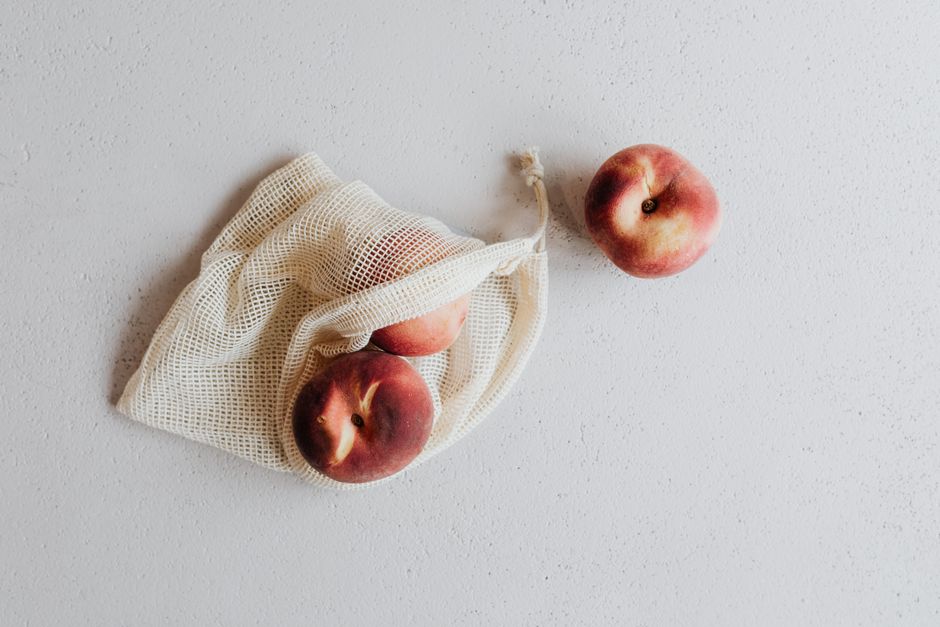
Yes, you can eat peach skin, and for most people, it is the most nutritious part of the fruit. The fuzzy outer layer is safe to eat and contains significantly more fiber and antioxidants than the flesh alone. Unless you have a specific allergy or sensitivity, washing the peach and eating it whole is the healthiest choice.
Do You Eat The Skin Of A Peach? What Research Really Shows
The short answer is yes. Peach skin is not toxic, and it is not harmful to eat. In fact, research consistently shows that the skin is where a large portion of the fruit’s nutrients are concentrated. The skin contains more antioxidants, specifically phenolic compounds, than the inner flesh. These compounds help protect cells from damage caused by free radicals.
Many people peel peaches out of habit or because they dislike the texture. But from a nutritional standpoint, you are leaving valuable nutrients on the cutting board. The skin also provides a significant amount of dietary fiber, which supports digestion and helps you feel full after eating.
Is Peach Skin Safe To Eat?
Peach skin is safe for healthy adults and children. The fuzzy texture is completely edible. The fuzz is not a toxin or an irritant for most people. It is simply a natural part of the fruit’s surface.
There are two exceptions to this general rule. First, some people are allergic to peaches. This is often due to a protein in the fruit that can cause oral allergy syndrome, which causes itching or tingling in the mouth. The skin contains higher concentrations of these proteins, so people with a known peach allergy may react more strongly to the skin than the flesh.
Second, peaches are on the Environmental Working Group’s list of produce most likely to contain pesticide residues. This does not mean peaches are dangerous to eat. It means you should wash them thoroughly before eating. Running the fruit under cool water and rubbing the surface gently is enough to remove most dirt and some pesticide residue. Peeling removes more residue, but it also removes the fiber and antioxidants.
What Nutrients Are In The Skin?
The skin of a peach is rich in several important compounds. The most notable are phenolic acids and flavonoids, which are types of antioxidants. These compounds are found in much higher concentrations in the skin than in the flesh. Some research suggests that the skin can contain two to three times more antioxidants than the flesh of the same fruit.
The skin is also a concentrated source of insoluble fiber. This type of fiber does not dissolve in water. It adds bulk to your stool and helps move food through your digestive tract. A medium peach with the skin on provides about 2 grams of fiber. Without the skin, that number drops to roughly 1.5 grams. That difference matters if you are trying to increase your daily fiber intake.
Peaches also contain vitamin C, vitamin A, and potassium. The skin contributes to these values, though the flesh holds a meaningful amount too. Eating the peach whole simply gives you the complete nutritional profile of the fruit.
Does Cooking Change The Skin?
Cooking peaches changes the texture of the skin but does not make it unsafe. In pies, cobblers, and jams, the skin softens considerably. Some people find cooked peach skin easier to eat because the fuzz becomes less noticeable.
Heat can reduce some water-soluble vitamins, like vitamin C. However, the antioxidant compounds in the skin are relatively stable during cooking. Baked or stewed peaches with the skin on still provide more fiber than peeled versions.
If you are making a peach pie and prefer a smooth texture, peeling is a valid choice. You are not doing anything wrong. You are simply trading some nutritional value for a different eating experience. Both approaches are acceptable.
How To Clean A Peach Before Eating
Washing is the most important step before eating a peach, whether you keep the skin on or not. The fuzz can trap dirt, bacteria, and pesticide residue. A quick rinse under running water is not always enough because the fuzz holds onto particles.
Here is a simple method that works well:
- Hold the peach under cool running water.
- Rub the surface gently with your fingers or a soft produce brush.
- Dry it with a clean towel before eating.
Some people soak peaches in a solution of water and baking soda for a few minutes. Research suggests this method may remove more pesticide residue than water alone. However, plain water with gentle rubbing is still effective for general cleaning. Do not use soap or detergent on fruit. These products are not meant for human consumption and can leave harmful residue.
Are There Any Risks To Eating Peach Skin?
For the general population, the risks are minimal. The main concern is pesticide residue, which is manageable with proper washing. The other concern is allergy, which affects a small percentage of people.
If you have never eaten a peach with the skin on, try a small piece first. Watch for any itching in your mouth, throat, or lips. If you experience these symptoms, you may have a mild allergy. Stop eating and consult a doctor if the reaction is more than mild discomfort.
People with a known stone fruit allergy should avoid peach skin. This includes people who react to plums, cherries, apricots, or nectarines. The proteins in stone fruits are similar, and cross-reactivity is common.
There is no evidence that peach skin causes digestive problems in healthy people. The fiber is beneficial for most. If you have a digestive condition like irritable bowel syndrome, a sudden increase in fiber can cause bloating. Introduce whole peaches gradually if you are not used to eating high-fiber foods.
Do You Eat The Skin Of A Peach For Weight Management?
Eating the skin can support weight management efforts, but not because of any special property. The fiber in the skin increases the volume of the fruit without adding calories. A whole peach with skin has the same calorie count as a peeled peach, roughly 60 calories for a medium fruit. But the skin adds fiber that slows digestion and promotes a feeling of fullness.
This effect is modest. A single peach is not a weight loss tool. But choosing whole fruit with the skin on over peeled fruit is a simple way to get more fiber without extra calories. Over time, small changes like this can contribute to a healthier eating pattern.
What About Canned Or Frozen Peaches?
Canned peaches are almost always peeled. The canning process typically removes the skin for texture and appearance. Frozen peaches may have the skin on or off depending on the brand. Check the package label if you want peaches with the skin.
Canned peaches in heavy syrup contain added sugar and significantly more calories than fresh peaches. If you are choosing canned peaches for convenience, look for options packed in water or their own juice. These have less added sugar.
Frozen peaches retain most of their nutrients, including the antioxidants in the skin if it is left on. They are a good alternative when fresh peaches are out of season.
Frequently Asked Questions
Does peach skin have more pesticides than the flesh?
Yes, the skin can contain higher levels of pesticide residue than the flesh. Washing the peach thoroughly under running water removes much of this residue, and peeling removes more, but peeling also removes fiber and antioxidants.
Why does peach skin make my mouth itch?
This is likely a mild allergic reaction to proteins in the fruit, which are more concentrated in the skin. It is a common symptom of oral allergy syndrome, and you should avoid eating the skin if you experience this reaction.
Can babies eat peach skin?
Yes, but the skin is a choking hazard because it is tough and slippery. Most pediatric guidance suggests peeling peaches for babies and young children until they can chew food thoroughly.
Is the fuzz on a peach harmful?
No, the fuzz is harmless and completely edible. Some people dislike the texture, but it causes no health problems and can simply be washed off or rubbed away if preferred.
