
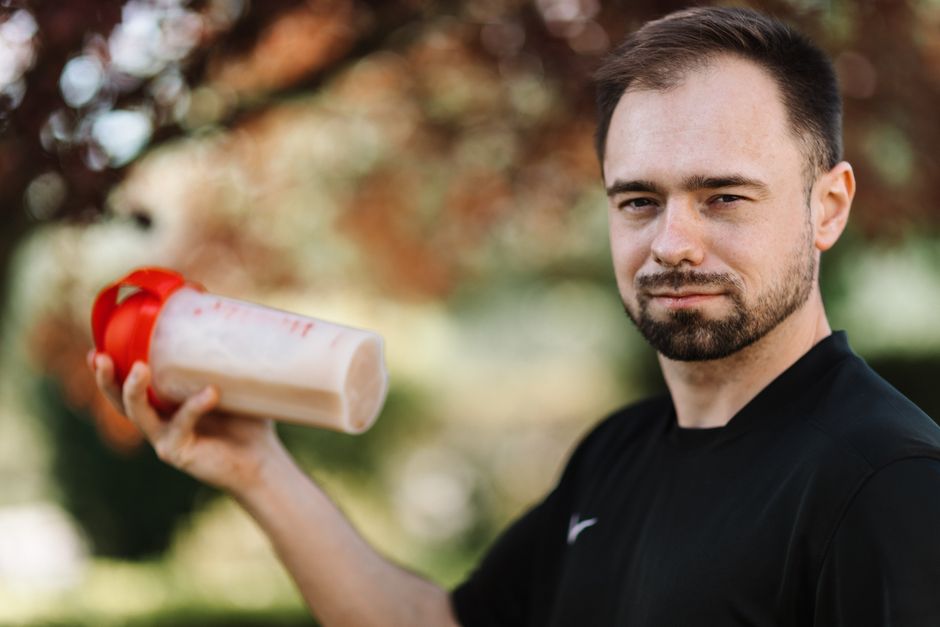
Protein shakes can help with weight loss, but they are not a magic solution. The evidence shows they work best as a tool for controlling hunger and calories, not as a replacement for real meals or effort. Whether they help you depends entirely on how you use them.
The basic math of weight loss is simple. You lose weight when you take in fewer calories than your body burns. A protein shake is just food in liquid form. It has calories. If it helps you eat less overall, it can help you lose weight. If you add it on top of your normal diet, it will likely do the opposite.
Are Protein Shakes Good For Weight Loss?
Protein shakes can support weight loss when they replace higher-calorie foods or help you manage hunger. They are not inherently fat-burning. The benefit comes from the calorie swap and the effect protein has on appetite.
Protein is the most filling of the three macronutrients. Research consistently shows that protein increases feelings of fullness and reduces hunger compared with fats or carbohydrates. A shake with 20 to 30 grams of protein can take the edge off hunger between meals, which may help you eat less later.
There is also a well-established effect called diet-induced thermogenesis. Your body burns some calories just digesting food, and protein requires more energy to process than fat or carbs. This effect is real but modest. It does not account for major weight loss on its own.
The critical variable is substitution. A protein shake that replaces a 600-calorie fast-food lunch with a 200-calorie shake creates a calorie deficit. The same shake added to a full day of eating adds calories. Same product, opposite outcome.
How Much Protein Do You Actually Need?
Most adults need far less protein than supplement marketing suggests. The general recommendation for healthy adults is about 0.8 grams of protein per kilogram of body weight per day. For a 150-pound person, that is roughly 54 grams daily.
People trying to lose weight may benefit from somewhat more protein to help preserve muscle mass while in a calorie deficit. Some research suggests higher intakes in the range of 1.2 to 1.6 grams per kilogram during weight loss, though the optimal amount is still debated. For a 150-pound person, that is roughly 82 to 109 grams daily.
Here is the part many people miss. Most Americans already get enough protein from food. Eggs, chicken, fish, Greek yogurt, beans, and lentils are all protein-dense. A shake is convenient, but it is rarely necessary to meet your needs.
There is no established clinical guideline that recommends protein shakes specifically for weight loss in the general adult population. They are a convenience food, not a medical treatment.
Do Protein Shakes Keep You Full?
Protein shakes can reduce hunger, but solid food tends to be more filling calorie for calorie. This is one of the less obvious points in the research on liquid calories.
Liquids empty from the stomach faster than solid food. Chewing and the physical volume of solid food both contribute to fullness signals. A shake may satisfy you for an hour or two, while a chicken breast and vegetables might hold you longer for similar calories.
That said, a shake is better than nothing if the alternative is skipping a meal and then overeating later. Some studies suggest that protein consumed in liquid form still reduces appetite and total calorie intake, even if the effect is smaller than with solid food. The evidence is mixed on how large that difference is.
If hunger control is your main goal, a shake with added fiber or one blended with fruit and vegetables may be more satisfying than a plain protein powder mixed with water. Fiber slows digestion and adds volume.
Meal Replacement Shakes vs. Protein Powders
These are not the same product, and the difference matters for weight loss. A protein powder is mostly protein with few other nutrients. A meal replacement shake is formulated to stand in for a full meal, with protein, carbohydrates, fat, fiber, and added vitamins and minerals.
- Protein powder: Typically 100 to 150 calories per serving, mostly protein. Best used as a snack or to boost protein at a meal.
- Meal replacement shake: Often 200 to 400 calories with a fuller nutrient profile. Designed to substitute for a meal.
Meal replacement shakes have been studied more directly for weight loss. Some research indicates that replacing one or two meals per day with a structured meal replacement can produce modest weight loss, at least in the short term. The evidence for long-term results is weaker, and many people regain weight once they return to normal eating.
Protein powders have less direct evidence for weight loss as a standalone strategy. Their role is more about supporting a higher-protein diet that helps with appetite and muscle retention.
When Protein Shakes Work Against You
Protein shakes can quietly undermine weight loss in a few common ways. The most frequent is treating them as a free food.
A shake with milk, banana, peanut butter, and honey can easily exceed 500 calories. That is a meal, not a snack. If you drink it in addition to your regular meals, you may gain weight rather than lose it.
Another problem is compensation. Some people drink a shake and then eat a normal lunch because they do not feel full. The shake becomes extra calories rather than a replacement.
Protein powders also vary widely in quality. Some contain added sugars, fillers, or large amounts of calories from flavoring. Reading the nutrition label matters more than the front-of-package claims.
Finally, protein shakes do not teach eating habits. Weight loss that lasts usually comes from changes you can maintain. A shake can be part of that, but it is not a substitute for learning to eat well.
Are There Risks to Using Protein Shakes for Weight Loss?
For most healthy adults, protein shakes are safe when used as directed. The main risks come from overuse and from ignoring underlying health conditions.
Very high protein intakes can be a concern for people with reduced kidney function. The evidence does not show that high protein damages healthy kidneys, but people with existing kidney disease should talk to a doctor before increasing protein intake significantly. This is a case where clinical guidance matters more than general advice.
Some protein powders have been found to contain heavy metals or other contaminants in independent testing. The amounts are generally low, but it is a reason to choose products from reputable manufacturers that test their ingredients. No regulatory standard guarantees purity for all supplements.
Protein shakes are not appropriate as a sole source of nutrition for extended periods. They lack the full range of nutrients found in whole foods. Anyone considering a very low-calorie or shake-only diet should do so under medical supervision.
What the Evidence Actually Shows
The strongest evidence for protein shakes in weight loss comes from studies where they are used as part of a structured, calorie-controlled plan. In those settings, they can help people stick to a plan by making meals simple and controlling portions.
The evidence is weaker for protein shakes as a standalone weight loss method. No clinical trial has shown that adding a protein shake to an otherwise unchanged diet causes meaningful weight loss.
Some studies suggest that higher-protein diets, whether from food or shakes, support better weight maintenance after weight loss. Protein helps preserve muscle during a calorie deficit, and muscle burns more calories at rest than fat. This effect is real but smaller than many supplement ads imply.
The bottom line from the research is consistent. Protein shakes are a tool, not a treatment. They work when they help you eat fewer calories and keep hunger manageable. They fail when they add calories you did not need.
Frequently Asked Questions
Do protein shakes help you lose belly fat?
Protein shakes do not target belly fat specifically. They can support overall weight loss by helping you eat fewer calories, and belly fat tends to decrease as overall body fat decreases.
Can I replace meals with protein shakes to lose weight?
Replacing one meal per day with a protein shake can reduce calorie intake and may support modest weight loss. Replacing all meals is not recommended without medical supervision because shakes lack the full range of nutrients found in whole foods.
How many protein shakes a day is safe for weight loss?
There is no established guideline for a specific number, but most people use one shake per day as a meal replacement or snack. More than that risks missing nutrients from whole foods and should be discussed with a doctor.
Are protein shakes better than eating protein-rich foods for weight loss?
Solid protein foods tend to be more filling than shakes for the same calories. Shakes are more convenient and can help when you are short on time, but they are not superior to food for weight loss.
