

Obesity is no longer just a health concern—it’s a national crisis. In the United States, more than 40.3% of adults and over 20% of children are living with obesity, according to the latest CDC and NHANES data.1Obesity and Severe Obesity Prevalence in Adults: United States, August 2021–August 2023, CDC.GOV. This chronic condition is linked to life-threatening diseases like type 2 diabetes, heart disease, stroke, and certain cancers, and contributes to nearly half of all new diabetes cases annually.
The numbers are staggering:
With obesity shortening life expectancy by up to 10 years, Americans are actively searching for natural, sustainable solutions. One trending home-made remedy gaining attention is lemon balm tea before bed for weight loss—a calming herbal tea that may support better sleep, lower stress, and aid digestion.
In this article, we’ll explore:
What Is Lemon Balm Tea?
“Lemon balm tea for weight loss.” This name might sound like a trendy new wellness drink, but its roots stretch back over 2,000 years. Historical records trace the use of Melissa officinalis—the actual plant behind lemon balm to ancient Ephesus( Modern Day Turkey), where it was cultivated near the Temple of Artemis and revered for its calming properties. The name “Melissa” itself comes from the Greek word for honeybee, reflecting its sacred role in attracting bees and symbolizing spiritual purity.
Over the centuries, lemon balm has found its way into Greek, Roman, and Medieval European civilizations, each using it differently:
- The Greeks used it to treat wounds and calm nerves.
- Roman physicians prescribed it for digestive issues and melancholy.
- In Medieval monasteries, it was brewed into tonics for longevity and mental clarity.
And fast forward to today, and this ancient herb has taken on a modern identity: lemon balm tea for weight loss. While it’s not a direct fat burner, its ability to reduce stress, improve sleep, and support digestion makes it a powerful ally in holistic weight management—especially when consumed before bed.
The Science Behind Sleep and Weight Loss
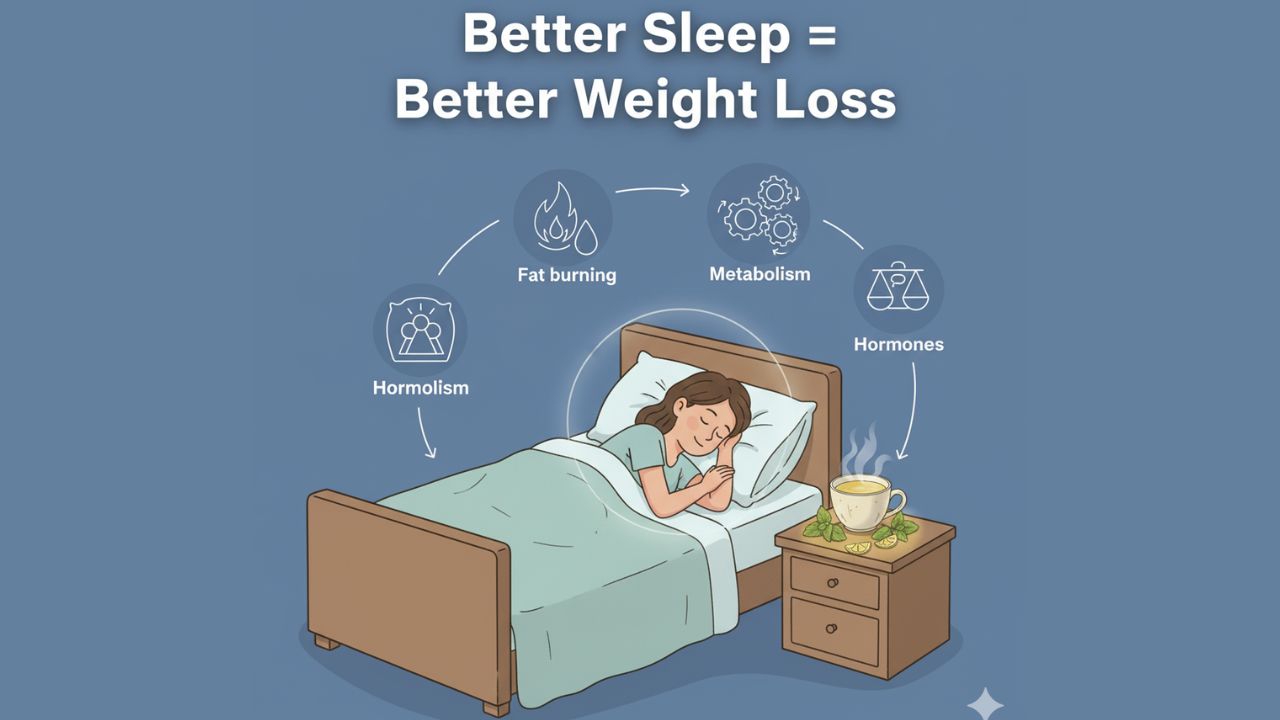
Sleep isn’t just rest—it’s your body’s nightly reset button. When you don’t get enough of it, stress hormone cortisol spikes, which can lead to stubborn belly fat and slow metabolism. Poor sleep also messes with your hunger hormones: ghrelin goes up (making you feel hungrier), while leptin drops (so you don’t feel full). That’s why sleep-deprived people often eat more and gain weight faster.
Studies show that people who sleep less than 6 hours a night are 55% more likely to be obese, and may consume 300–500 extra calories daily. On the flip side, deep sleep helps your body burn fat more efficiently, balance insulin, and reduce cravings.
This is exactly where lemon balm tea before bed fits in—it helps you relax, sleep better, and indirectly support your weight loss goals by calming your system and improving overnight metabolism.
What’s Inside Lemon Balm Tea?
Lemon balm tea may look simple in your cup, but its leaves are packed with powerful natural compounds that work behind the scenes. The star ingredient, Melissa officinalis, contains rosmarinic acid, a potent antioxidant known to reduce inflammation and support metabolic health—making it especially relevant for weight loss. It also includes ursolic acid, which has shown promise in studies for reducing fat accumulation and improving insulin sensitivity.
The tea’s calming aroma comes from essential oils like citral, citronellal, and geraniol, which help relax the nervous system and lower cortisol levels—a hormone linked to belly fat. Flavonoids such as quercetin and luteolin add cellular protection and stress relief, while trace minerals like magnesium, potassium, and vitamin C support hydration, digestion, and sleep quality.
Together, these ingredients create a soothing, health-enhancing brew that not only helps you unwind before bed but also gently supports your body’s natural weight management processes.

How Lemon Balm Tea Supports Natural Weight Loss During Sleep
We think of sleep as a passive state, but your body is actually working hard while you rest. It’s during deep sleep that your body balances hormones, repairs tissues, and burns fat. But when that sleep is interrupted – whether by stress, anxiety, or poor habits – things start to go off track. Your cortisol levels spike, your metabolism slows down, and your hunger hormones get confused. That’s how you can actually gain weight while you sleep, even if you’re not eating more.
This is where lemon balm tea before bed comes in. It’s not a magic potion, but it does contain natural compounds that help your body do what it’s supposed to do – calm down, sleep deeply, and reset. One of those compounds is rosmarinic acid, which has been shown to reduce anxiety and improve sleep quality by increasing GABA activity in the brain.
A 2023 study published in the Antioxidants Journal found that rosmarinic acid from lemon balm had strong anti-inflammatory and neuroprotective effects, which may help regulate stress and support metabolic health.2Subcritical Water Extraction of Rosmarinic Acid from Lemon Balm (Melissa officinalis L.) and Its Effect on Plant Cell Wall Constituents, National Library of Medicine.
Another key compound is ursolic acid, which researchers have studied for its ability to reduce fat accumulation, improve insulin sensitivity, and even preserve muscle mass. These effects aren’t dramatic overnight, but they add up – especially when paired with consistent sleep and a balanced lifestyle.
So no, lemon balm tea won’t melt fat while you sleep. But it can help your body get into the right state to burn fat naturally by calming your nervous system, improving sleep quality, and supporting digestion. And that’s a win worth sipping on.
Best Time to Drink Lemon Balm Tea for Results
Timing matters. For optimal benefits, drink lemon balm tea 30–60 minutes before bed. This allows the calming compounds to take effect, helping you unwind and fall asleep faster.
Avoid adding sugar or heavy milk—stick to light, natural ingredients to keep it weight-loss friendly.
How to Make Lemon Balm Tea at Home
Making lemon balm tea is simple and soothing:
Ingredients:
- 1–2 tsp dried lemon balm leaves (or a handful of fresh leaves)
- 1 cup hot water
- Optional: mint, ginger, lemon slice
Steps:
- Steep leaves in hot water for 5–10 minutes
- Strain and sip slowly before bed
- Avoid caffeine or sugar add-ins
LSI keywords: lemon balm tea recipe, how to brew herbal tea, DIY weight loss tea
Safety, Side Effects & Who Should Avoid It
Lemon balm tea is generally safe, but here are a few precautions:
- May cause drowsiness—don’t drive or operate machinery after drinking
- Can interact with sedatives or thyroid medications
- Not recommended for pregnant or breastfeeding women without medical advice
Always consult a healthcare provider if you’re on medication or have chronic conditions.
Final Thoughts: Can Lemon Balm Tea Help You Lose Weight While You Sleep?
While lemon balm tea before bed won’t melt fat overnight, it’s a gentle, effective way to support your body’s natural weight loss processes. By improving sleep, reducing stress, and aiding digestion, it creates the perfect internal environment for fat burning.
If you’re looking for a calming ritual that aligns with your health goals, this herbal tea might be the missing piece.
Scientific References
- 1Obesity and Severe Obesity Prevalence in Adults: United States, August 2021–August 2023, CDC.GOV.
- 2Subcritical Water Extraction of Rosmarinic Acid from Lemon Balm (Melissa officinalis L.) and Its Effect on Plant Cell Wall Constituents, National Library of Medicine.






Good day,
I came across your website and wanted to reach out.
Best regards,